Shopping Basket
You have no items in your shopping basket.


Wishlist
Your wishlist is currently empty
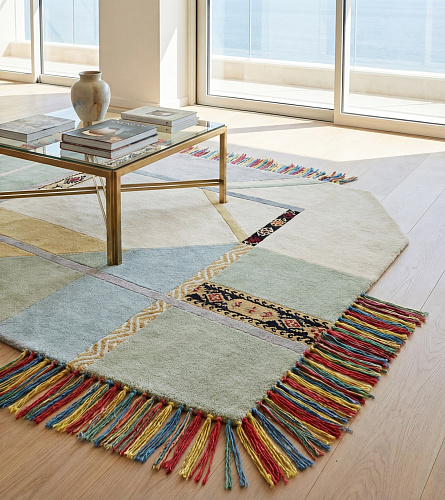
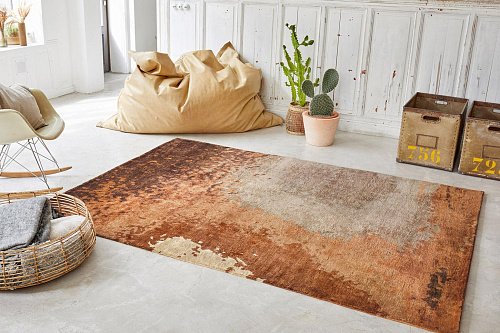
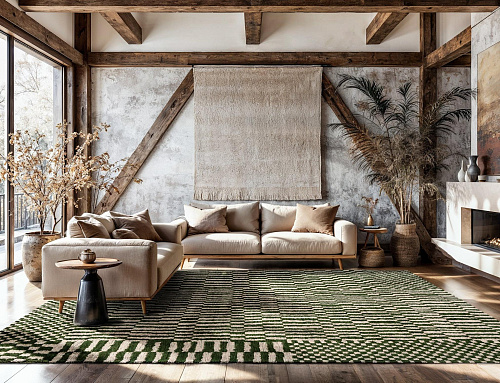
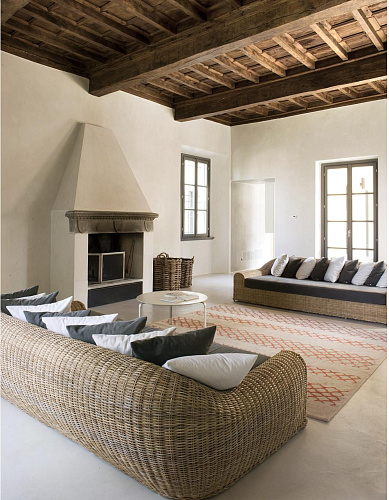
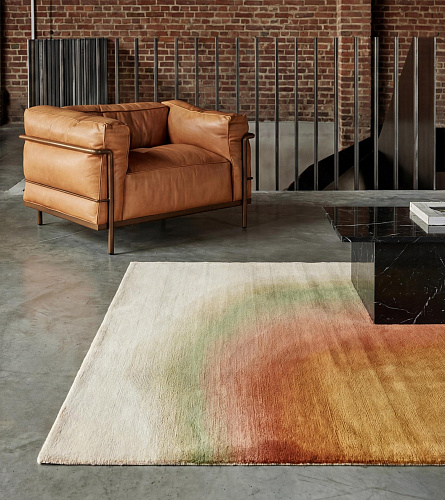
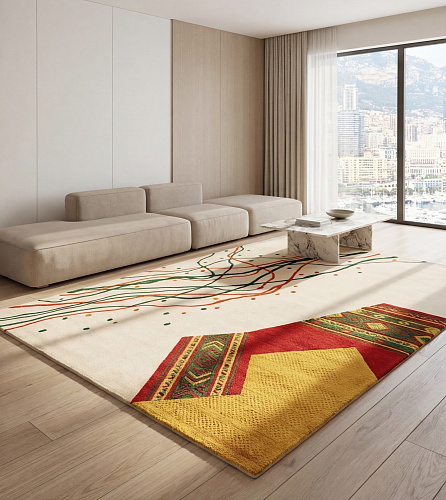
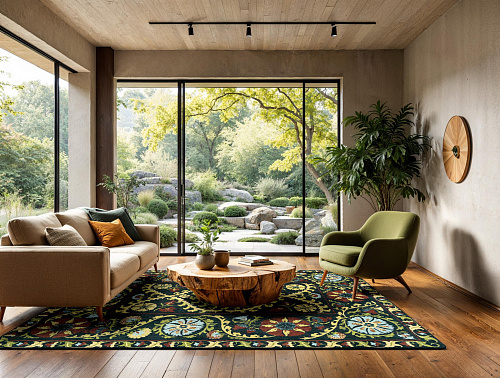
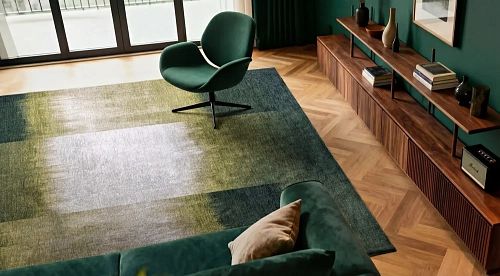
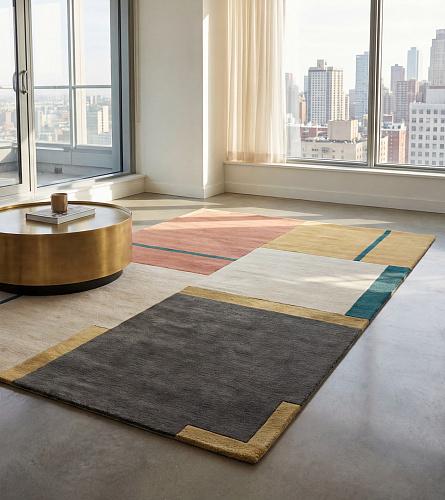
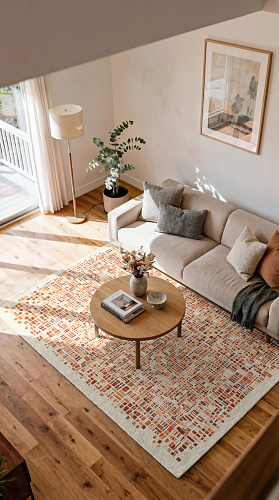
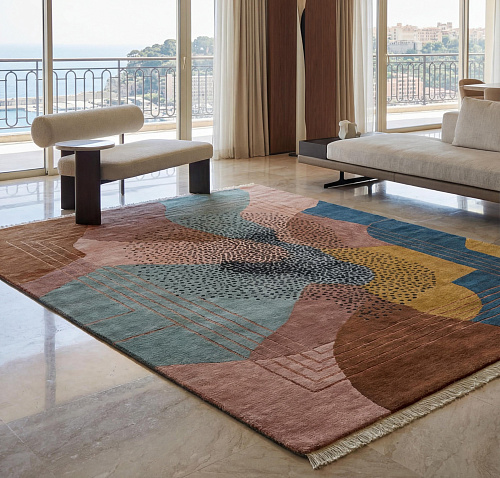
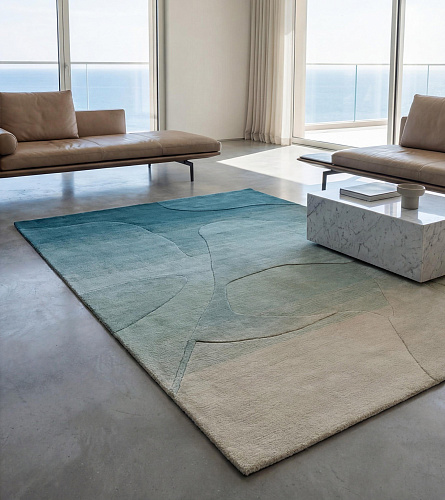
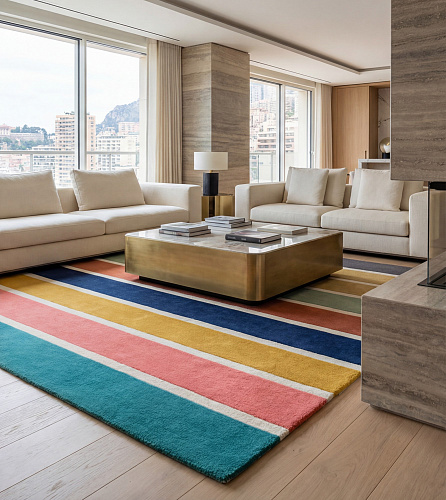
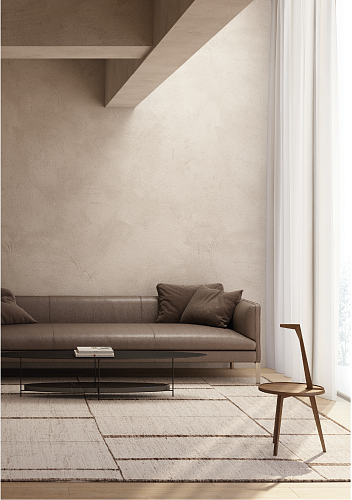
Most rooms are designed from the walls inward — paint colours, furniture, lighting — while the floor is treated as a backdrop. That hierarchy is worth reversing. A rug is one of the few elements in a room that simultaneously defines scale, absorbs sound, introduces texture underfoot, and holds a composition together visually. Remove it, and even a well-furnished space can feel unsettled. Place the right one, and furniture stops floating, proportions feel deliberate, and the space acquires a permanence it didn't have before.
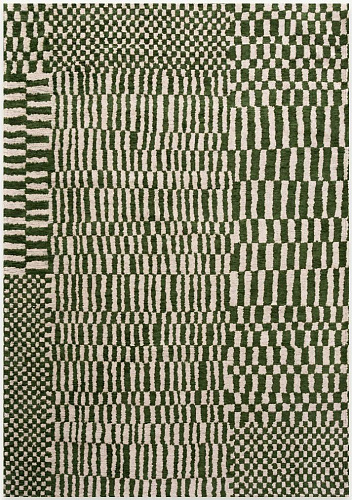
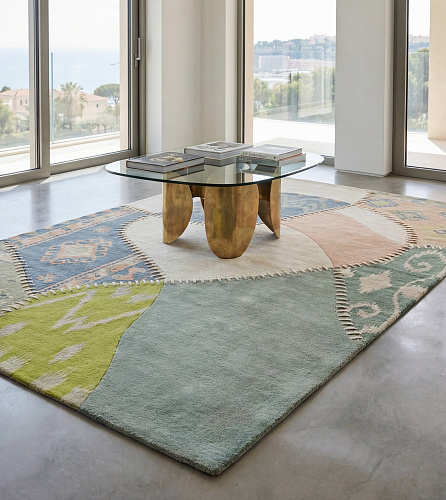
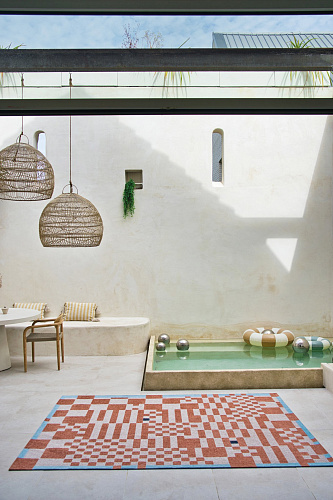
This effect comes from proportion, material, and pattern working in agreement with the room around them. A cowhide under a low stone coffee table does something a dense wool pile never could; a large-format piece in a long hallway achieves a graphic consistency that suits the architecture precisely. Matching a rug to a room is less about style categories and more about understanding what the space is actually asking for.
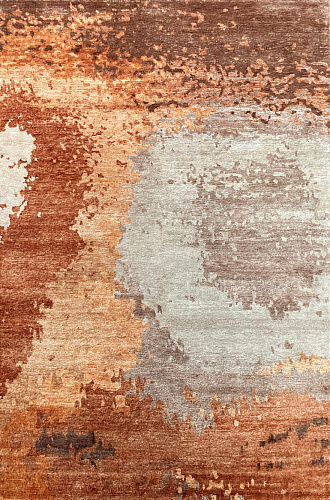
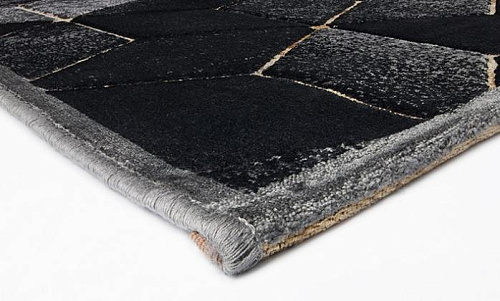
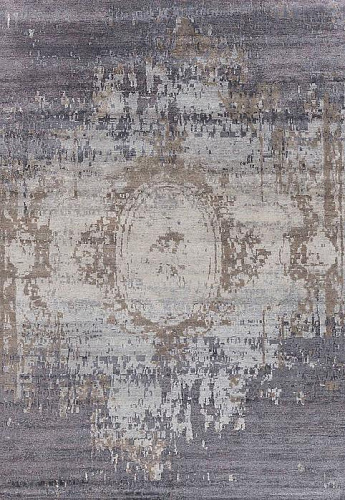
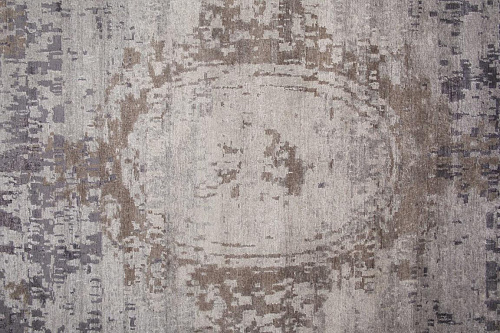
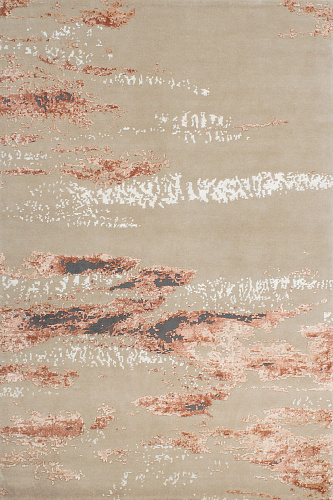
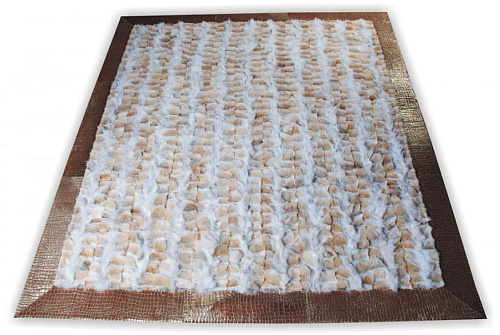
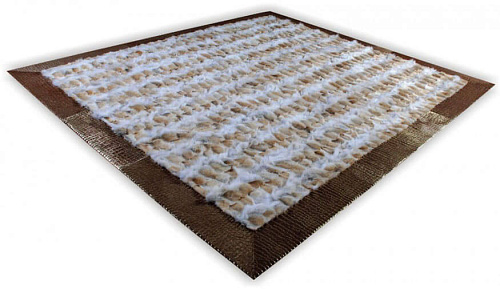
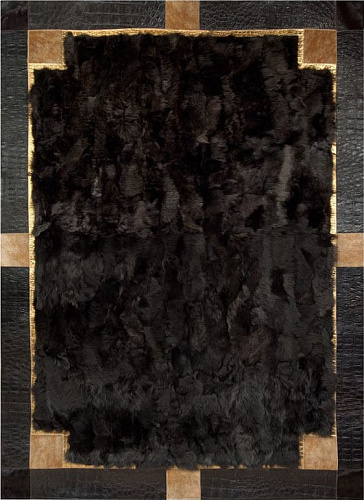
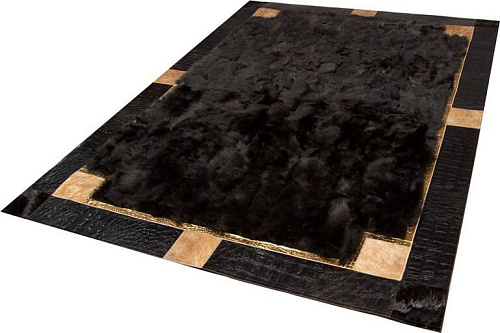
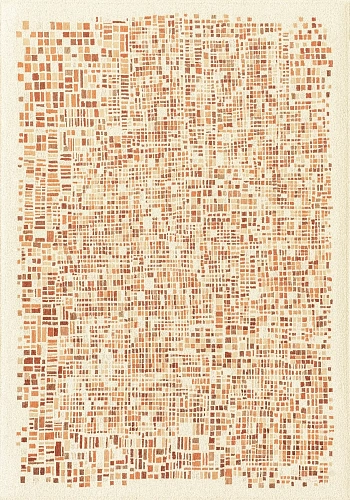
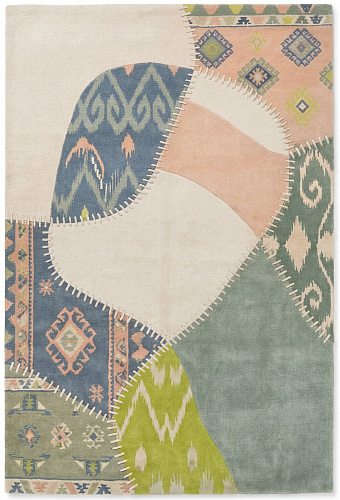
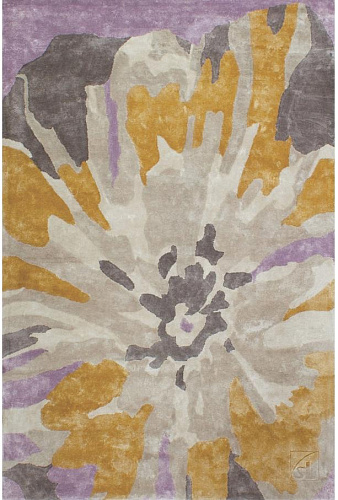
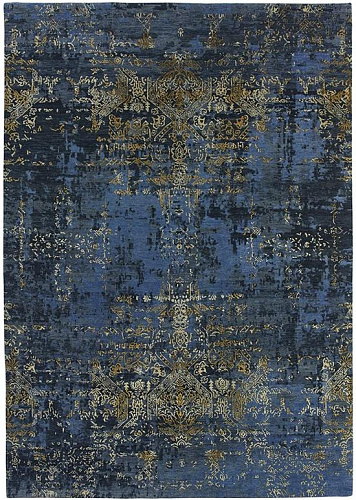
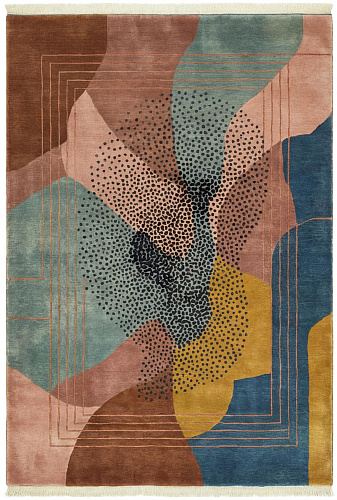
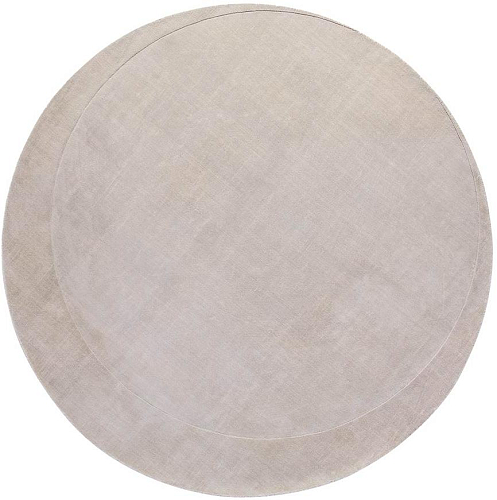
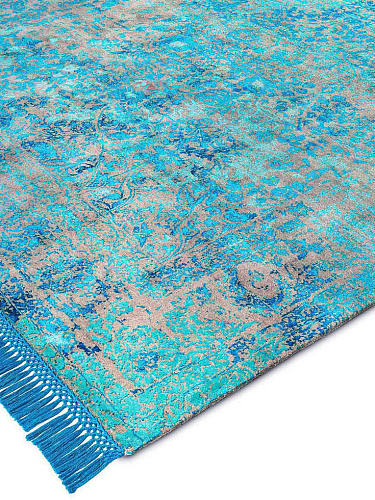
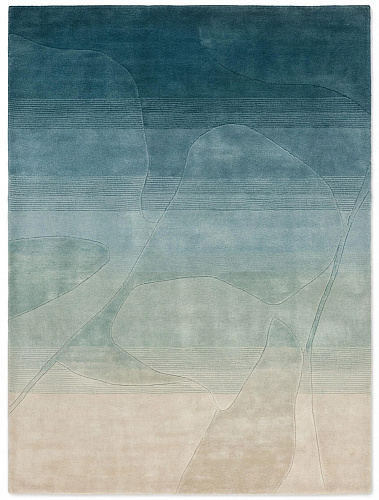
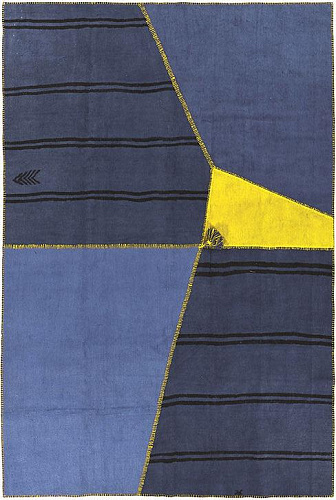
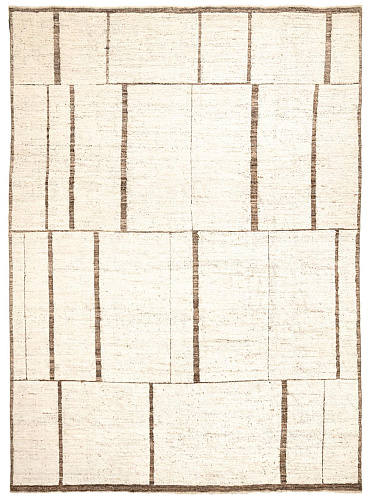
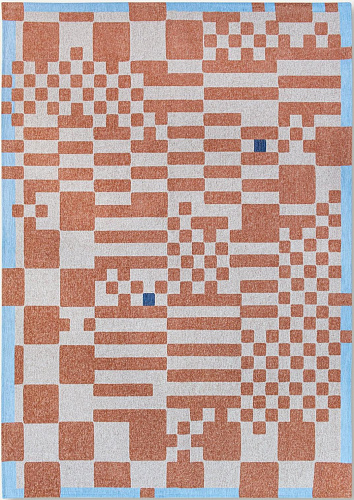
The collection spans both handcrafted and high-quality machine-made rugs — two distinct traditions, each relevant to different interiors and different priorities. Wool remains the reference material across much of the range: resilient, naturally soil-resistant, with a depth of colour that synthetics approximate but rarely match. Silk, whether used as a full pile or woven through wool as an accent, introduces a reflective quality that shifts across the day as light moves through a room. Leather and cowhide occupy a different register — more graphic, harder underfoot, suited to spaces where tactile warmth is less the priority than visual weight. Jute and natural fibres work well layered or used alone in rooms where organic texture carries the design argument. For high-traffic areas, machine-woven constructions in technical fibre blends hold pattern and colour through years of use that would compromise lesser materials.
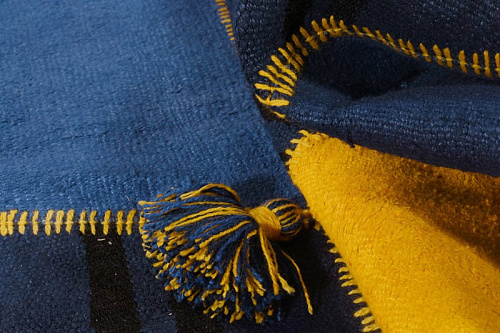
When you buy a rug at this level, the details that justify the investment often aren't visible immediately — they become apparent over time, in how the pile recovers after furniture is moved, how edges hold without curling, how colour reads in artificial light versus morning sun. These are the distinctions that separate a considered purchase from a replacement cycle.
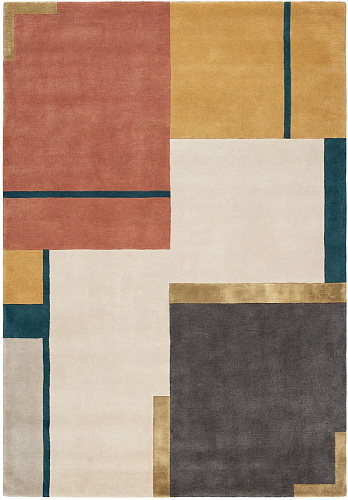
The market for rugs online has matured to a point where serious purchases are made without a showroom visit. What makes this possible is transparency — precise dimensions, material specifications, pile height, origin. Without that information presented clearly, the decision becomes a gamble. The availability of designer rugs for sale at a genuine premium level has also grown: limited runs, adaptable sizing, and colourway options within a given design now exist in collections that would previously have required a bespoke commission and months of lead time.
A well-made rug sits in an unusual category — functional enough to justify on practical grounds, considered enough to function as a design decision, and durable enough to outlast multiple cycles of furniture and redecorating. The finest designers rugs have always been passed between owners and across generations, acquiring the kind of patina that cannot be manufactured. That longevity recalculates the economics entirely: a piece that holds its structure and colour for thirty years costs very little per year of use, while an underspecified alternative that flattens and fades within five rarely looks like a saving in retrospect. The floor is not neutral — every room has one, and leaving it unconsidered is itself a choice, and rarely the right one.
Every piece in this collection has been selected against consistent standards — construction quality, material honesty, and designs that hold up over time rather than chasing what's momentarily fashionable. The range covers handcrafted rugs from established weaving regions alongside premium machine-made pieces from European manufacturers whose technical output meets the same expectations. Sizing, material composition, and origin are presented without ambiguity, and the breadth of the collection means that most interiors — from a compact urban apartment to a generously proportioned country house — will find something that fits without compromise.