Shopping Basket
You have no items in your shopping basket.


Wishlist
Your wishlist is currently empty
A table lamp is one of the most moveable decisions in an interior — it can be repositioned, re-paired with a different shade, relocated to another room entirely. That flexibility is part of its value. Unlike fixed ceiling fixtures, table lamps respond to how a room is actually used: pulled closer for reading, turned toward the wall for ambient softness, placed on a console to light an entry rather than staying permanently by the bed. The base, the shade, and the bulb temperature each contribute independently to the final result, which means the same lamp can read differently depending on how it's configured and where it sits.
In bedrooms specifically, the lamp on a nightstand is the last light switched off at night and often the first turned on in the morning. It operates at close range, in direct sightline, in a room where glare is more noticeable than anywhere else in the home. These conditions make quality of light — warmth, diffusion, the absence of visible hotspots through the shade — more consequential than in a living room or hallway, where other sources are competing. A 2700K source through an opal or fabric shade produces a quality of light in a bedroom that no overhead fixture at any price can replicate.
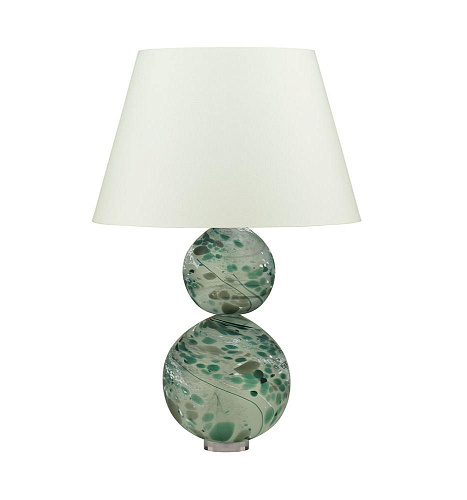
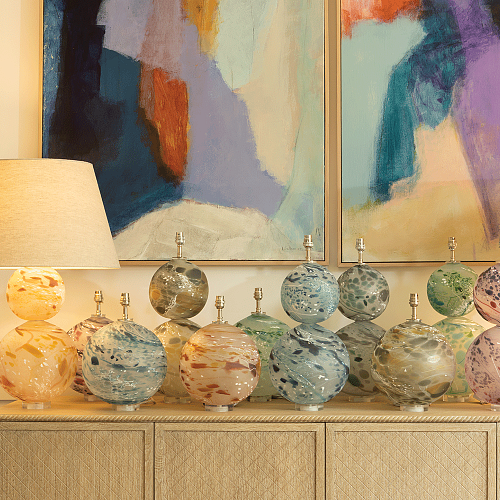
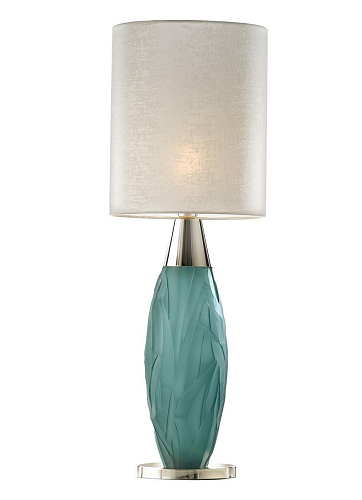
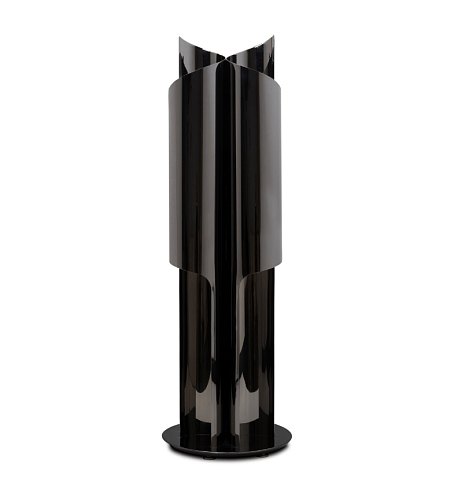
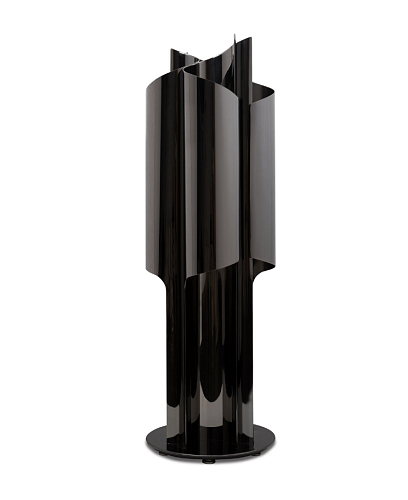
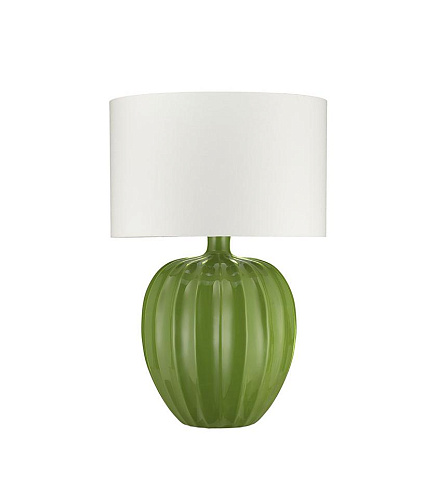
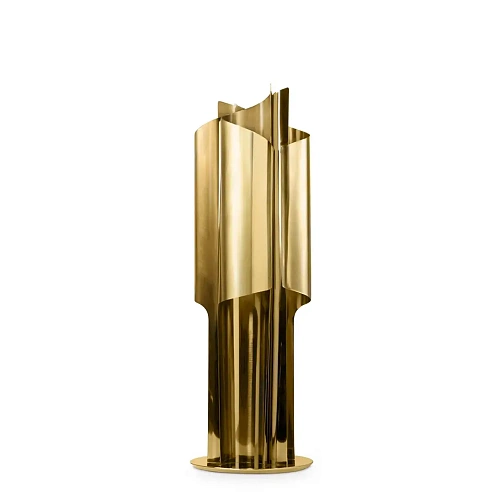
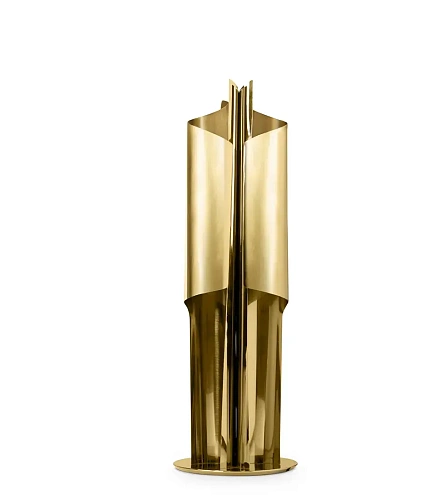
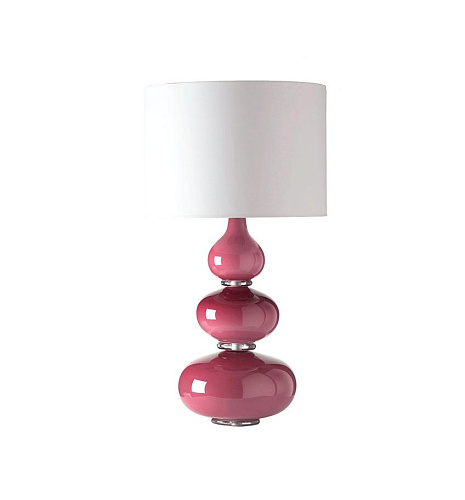
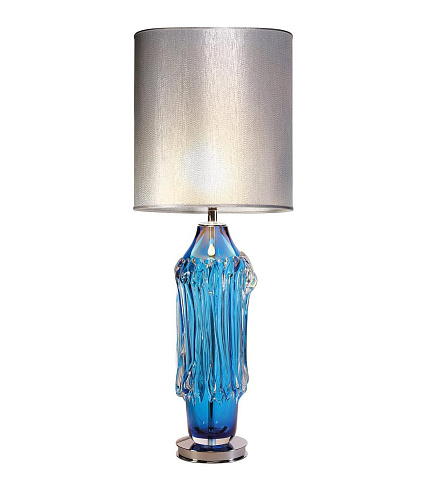
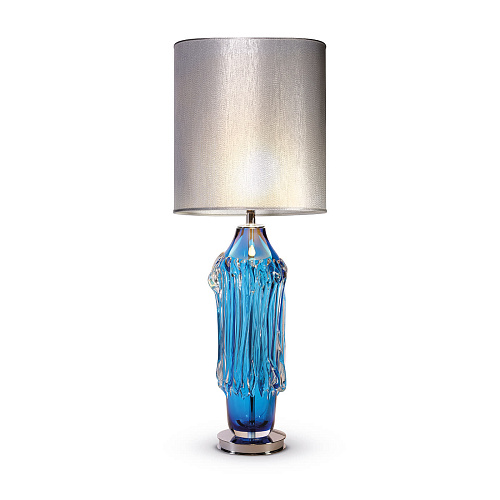
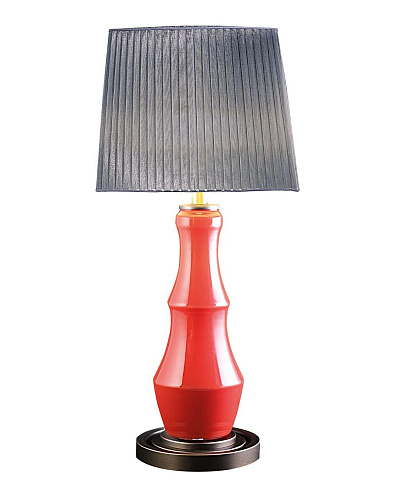
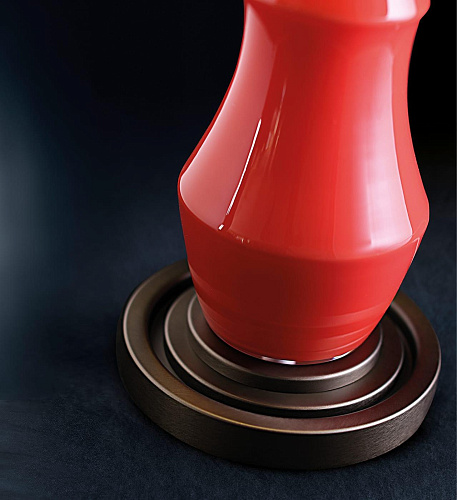
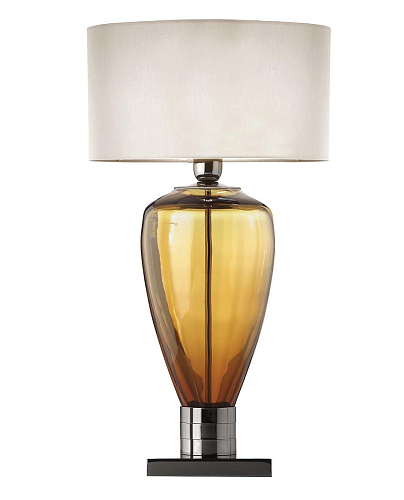
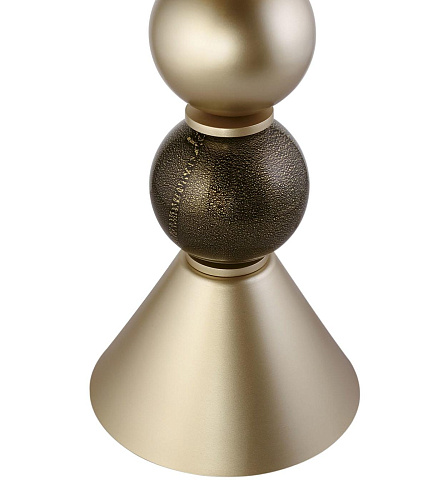
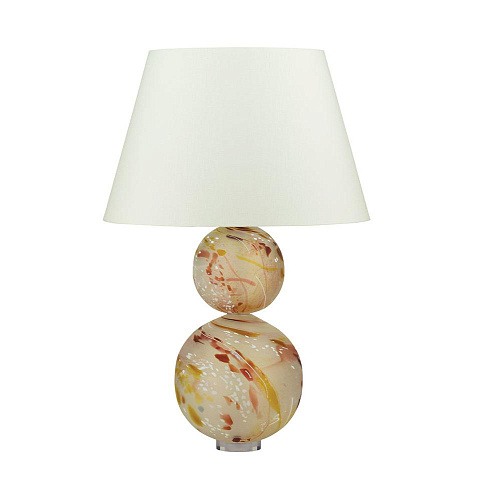
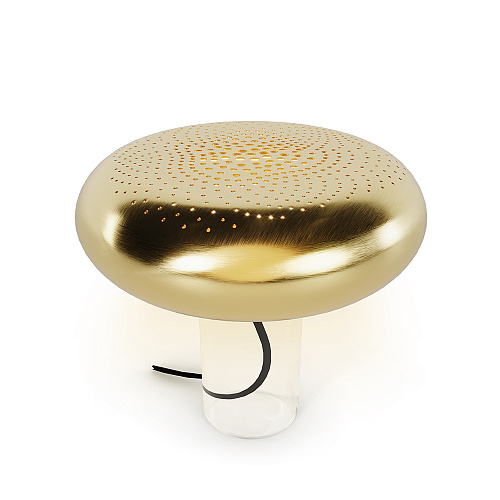
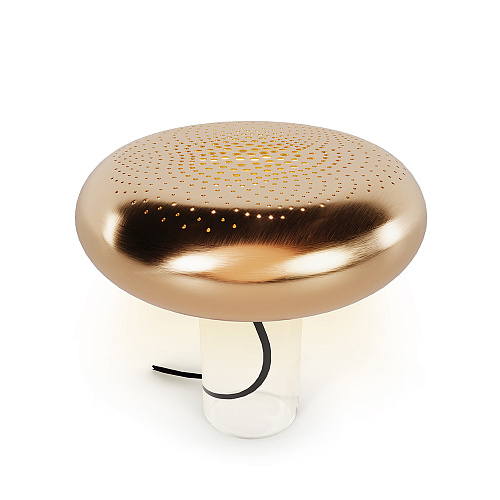
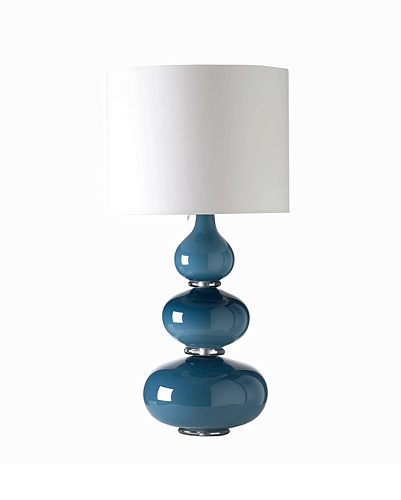
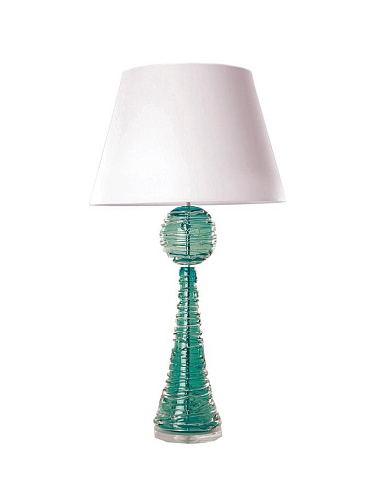
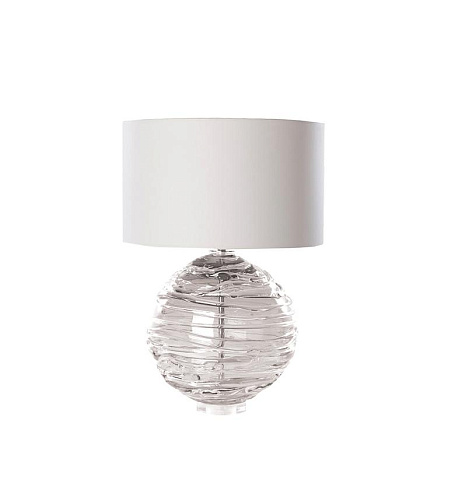
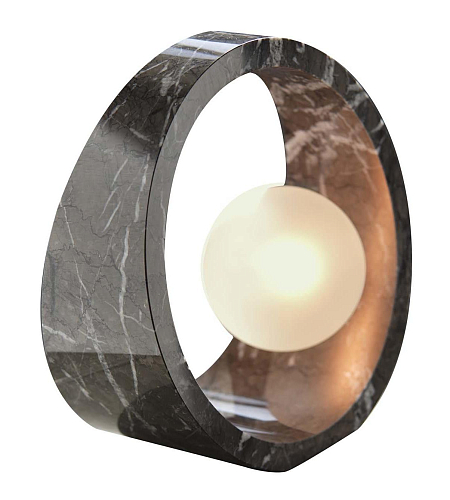
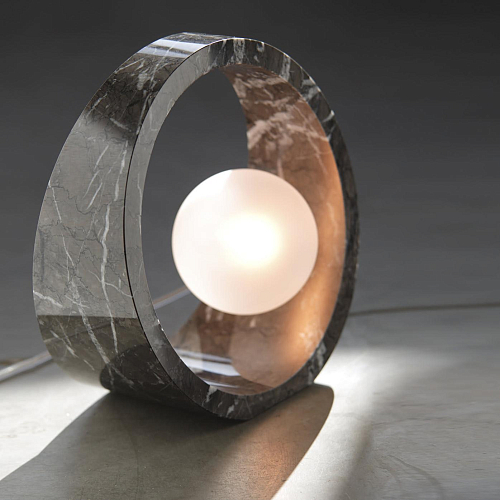
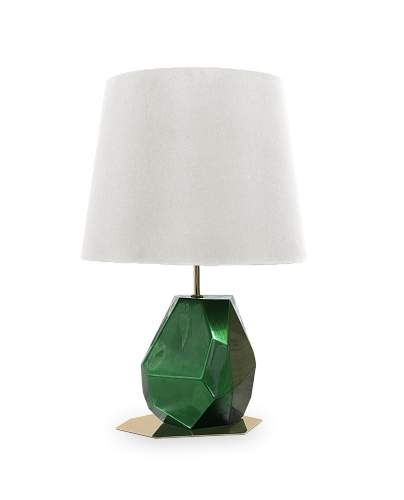
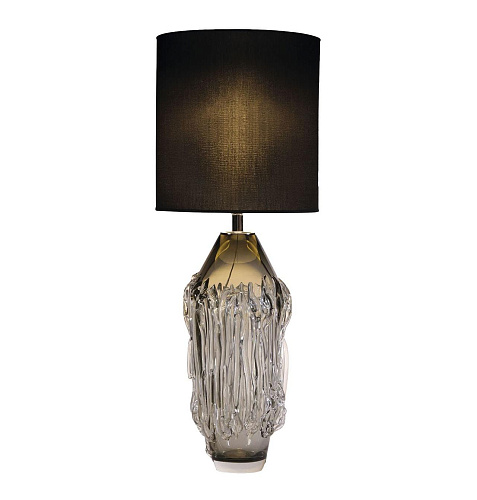
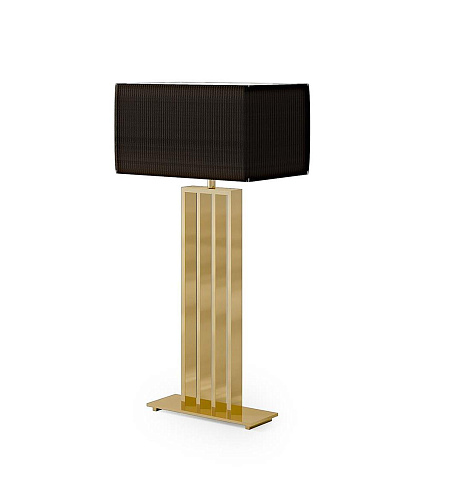
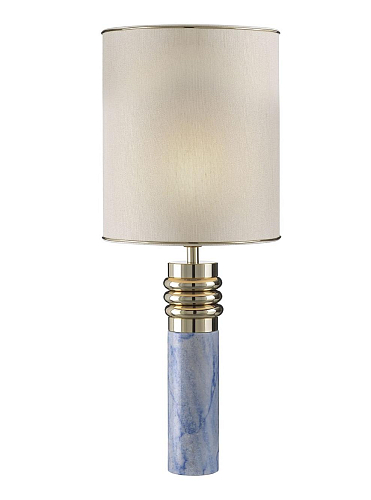
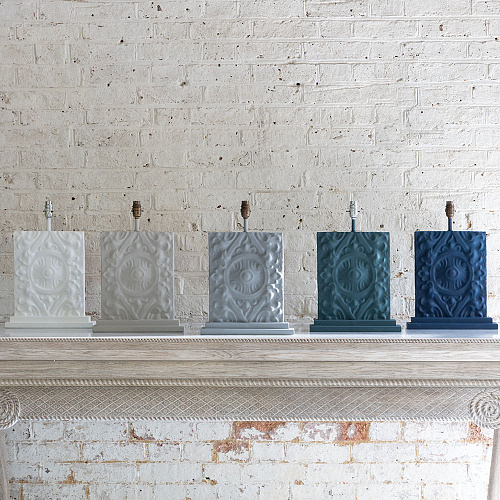
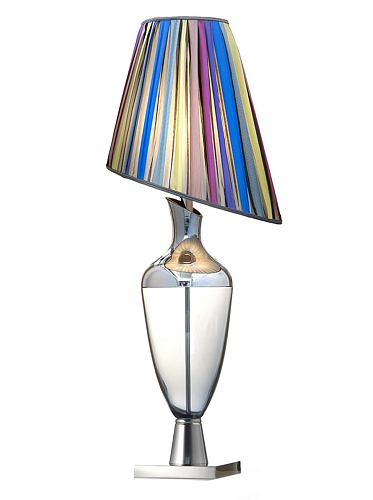
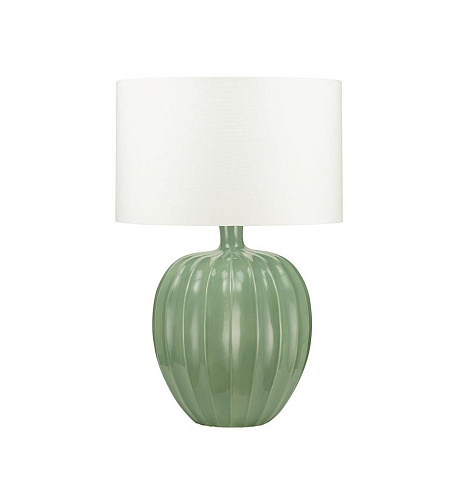
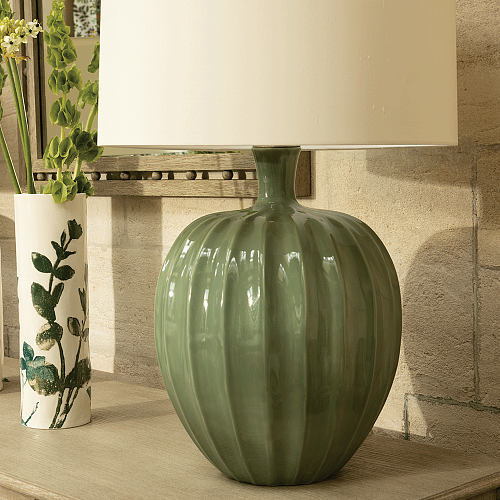
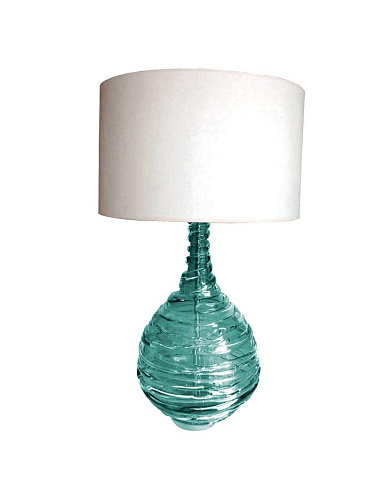
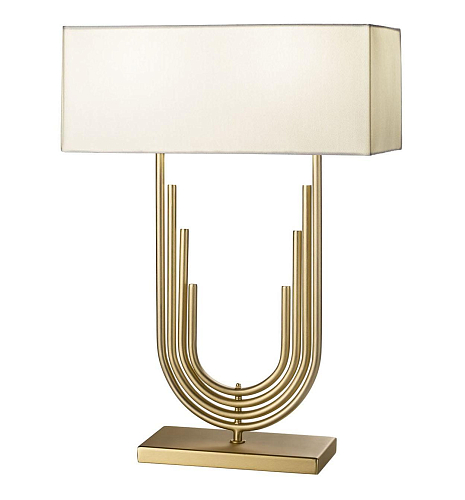
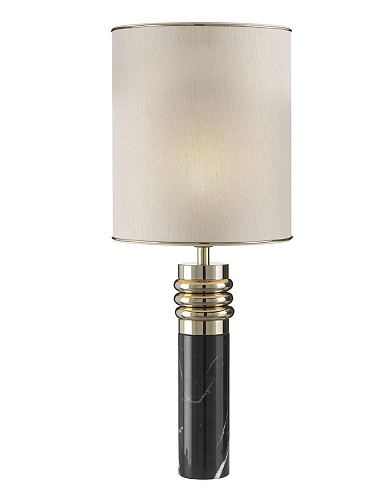
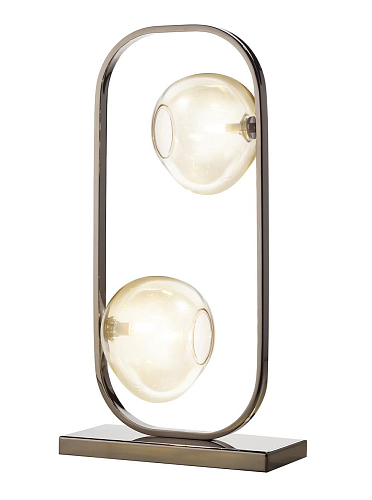
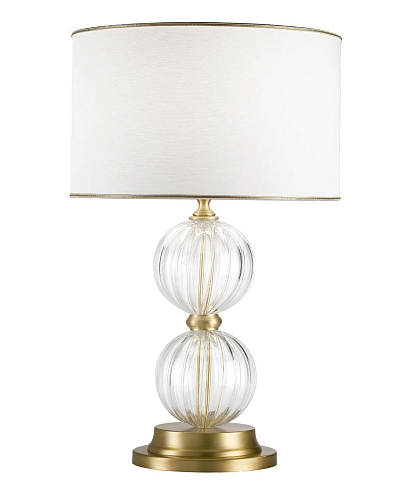
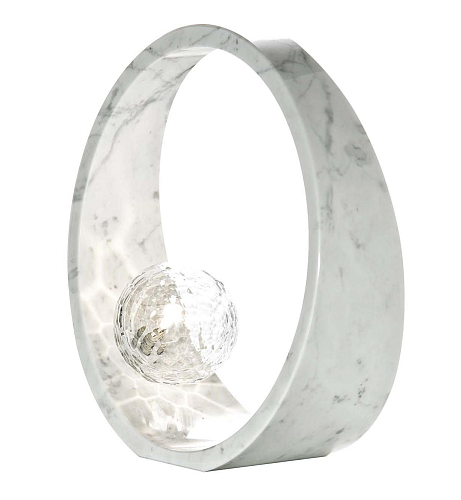
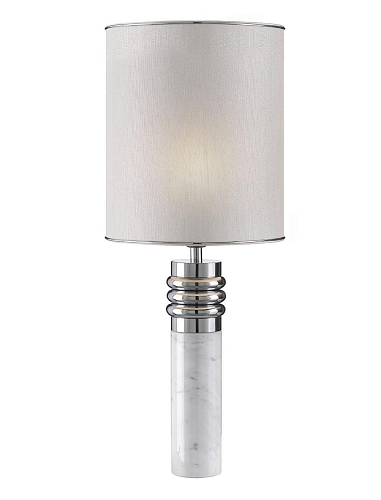
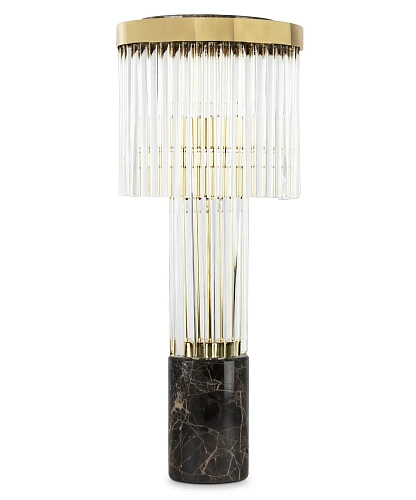
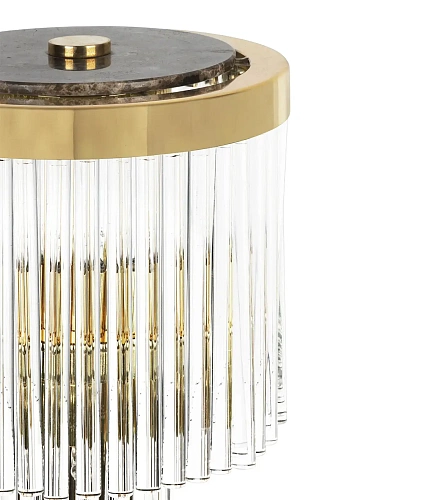
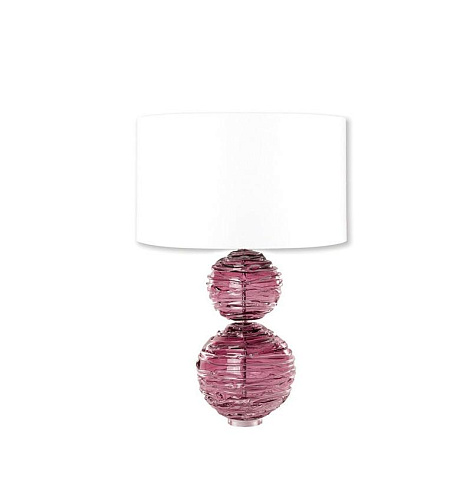
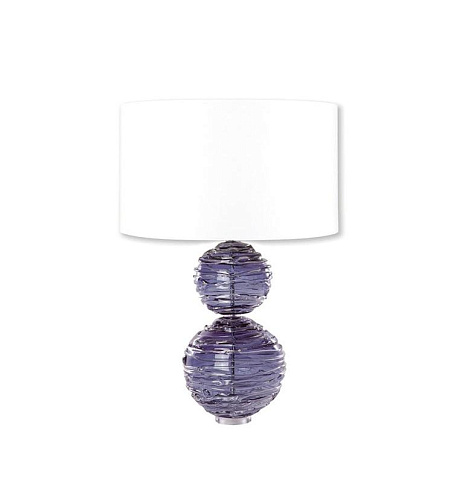
The base of a bedside lamps is the object the eye returns to in daylight, when the lamp is off. Ceramic brings weight and solidity; its matte or glazed surface reads differently at different angles. Marble and stone bases are heavier still, lending a permanence that suits rooms with an established material palette. Brass — polished, brushed, or aged — introduces warmth into the metal structure, and develops over time in a way that factory-finished bases do not. Blown glass bases refract and reflect their surroundings, changing character across the day in ways that are difficult to predict from a product image alone.
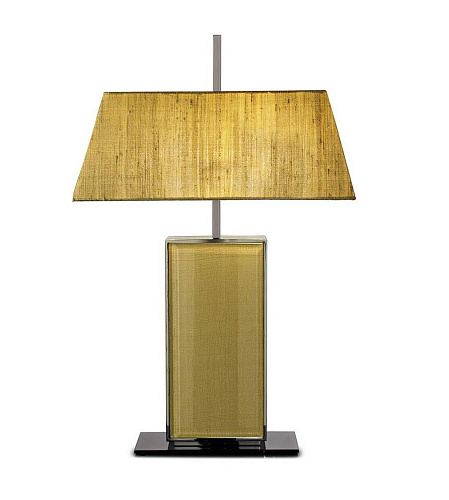
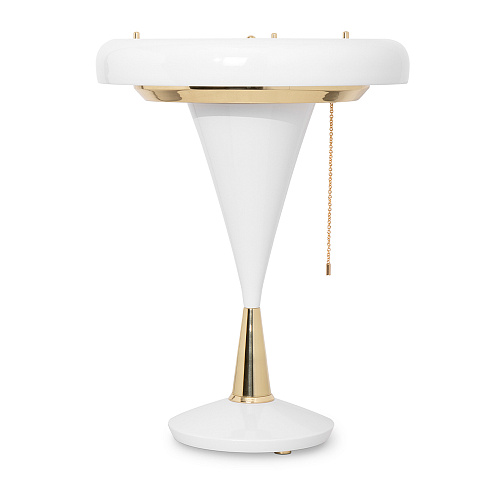
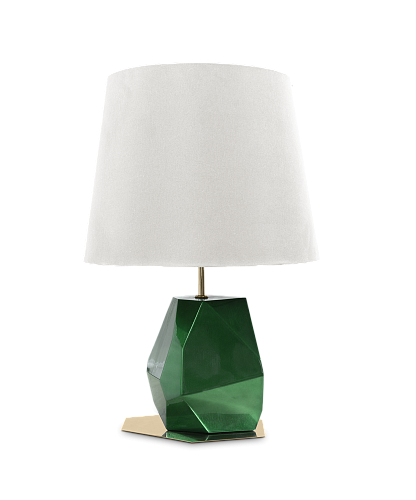
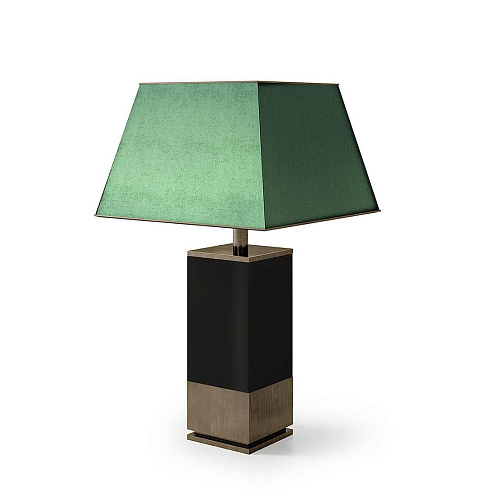
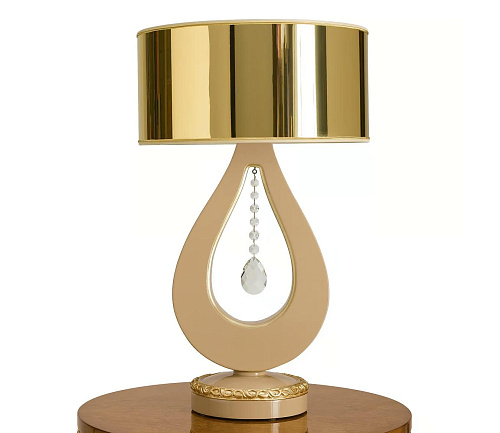
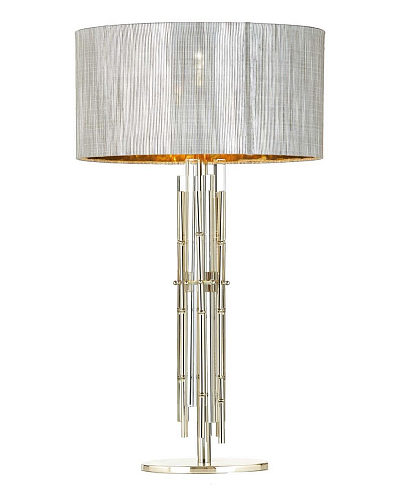
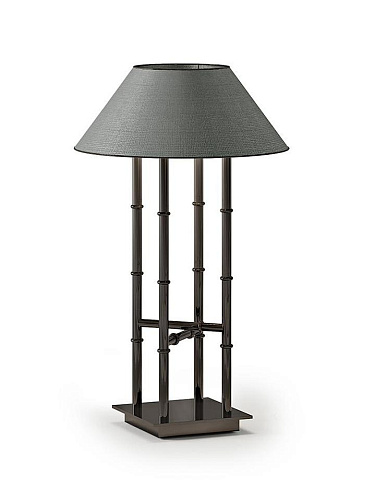
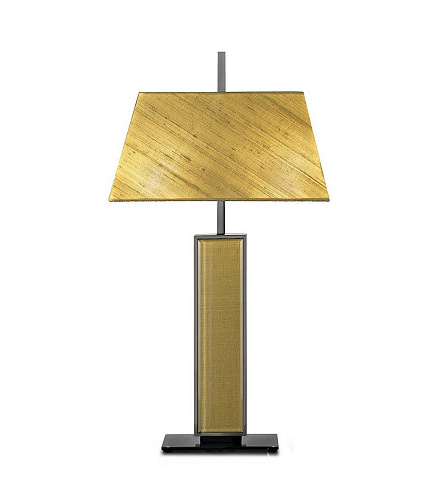
The shade determines how the light behaves. Fabric diffuses softly with no visible bulb, producing an even glow around the lower portion of the shade. Linen shades transmit slightly more light and add a natural texture that suits organic interiors. Metal and ceramic shades direct light downward with minimal diffusion, concentrating output onto the surface below — useful for reading but less suited to ambient use. Scale matters as much as material: a shade that's too narrow for the base looks top-heavy; one that's too wide makes the lamp look unresolved. Our collection pairs bases and shades with this relationship already considered, which removes the guesswork from an otherwise fiddly decision.
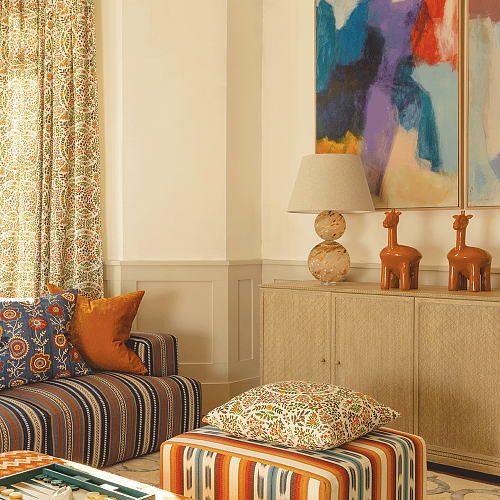
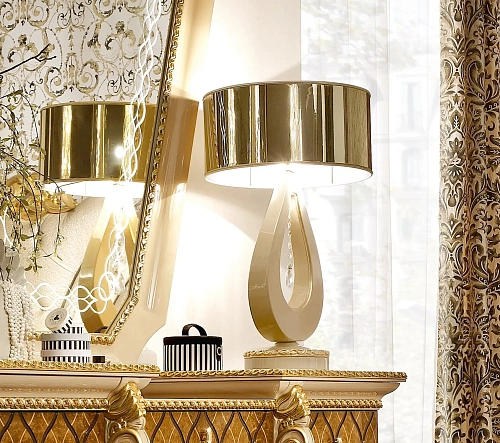
Our designer table lamps are specified across a range of positions, not only beside the bed. Console tables in entrance halls benefit from a pair of tall lamps that introduce vertical presence at the threshold of the home. Sideboards in dining rooms use table lamps to add a secondary light layer that makes the room function better in the evening without the formality of wall sconces. Living room end tables and occasional tables position a lamp at seated eye level, which is precisely where ambient light is needed most. In each case, the lamp functions simultaneously as a light source and as an object with physical presence in the room — a distinction that separates a considered piece from a purely functional one.
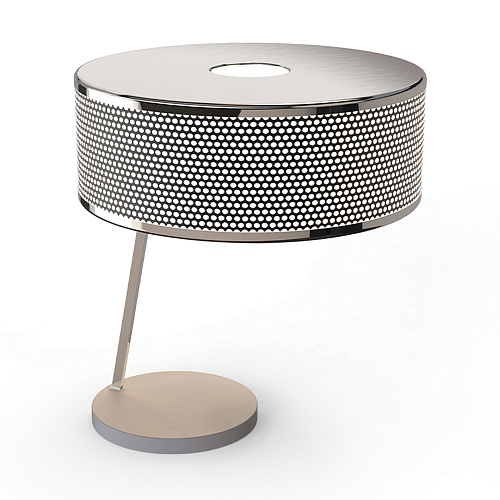
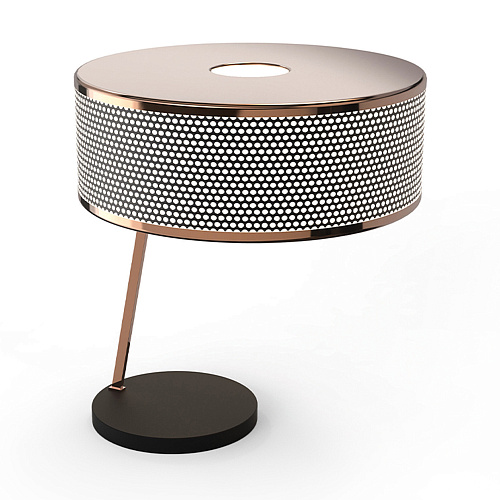
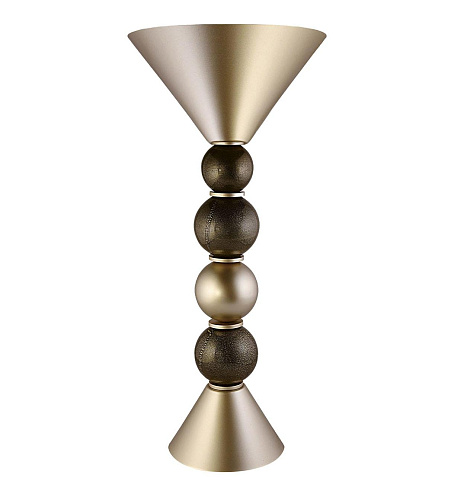
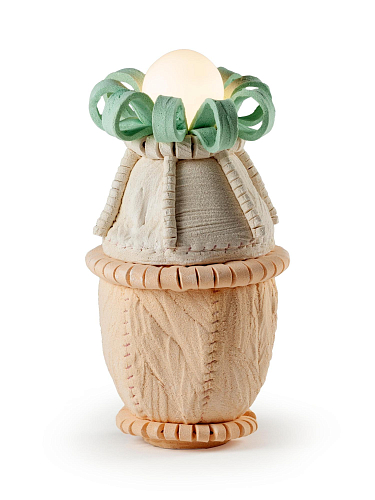
Our collection of bedside nightstand lamps spans ceramic, marble, brass, blown glass, and natural material bases across a range of heights, shade configurations, and finish options. Pieces are sourced from European manufacturers and independent designers working in limited runs, with full specifications — base dimensions, overall height, shade diameter, bulb type, and maximum wattage — provided for every item. Many are available in multiple finish or shade variants within the same design, so the lamp can be matched to an existing room palette without compromise. For pairs — the standard configuration on either side of a bed — availability in matching sets is noted clearly in each product listing.