Shopping Basket
You have no items in your shopping basket.


Wishlist
Your wishlist is currently empty
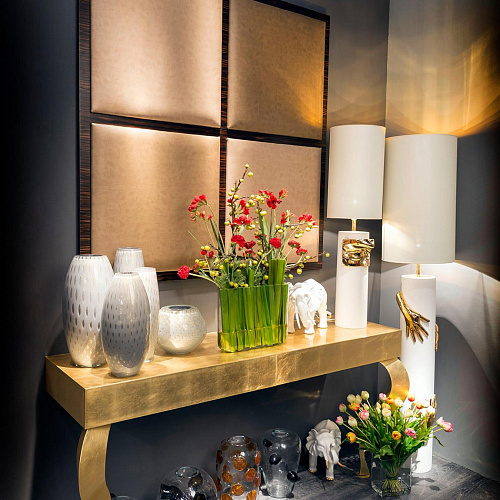
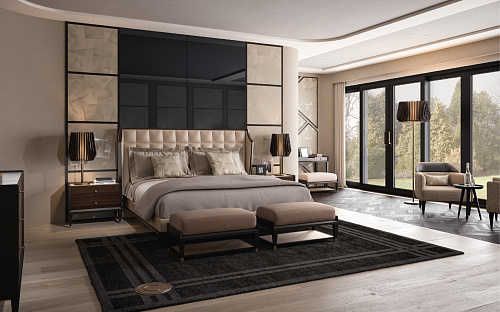
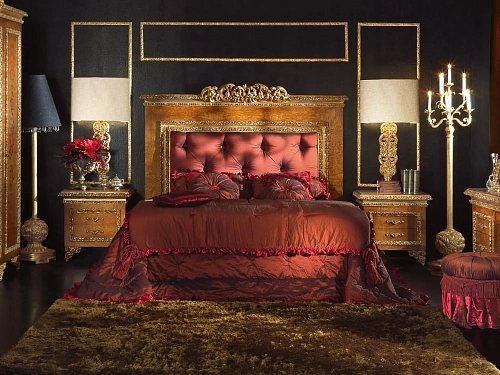
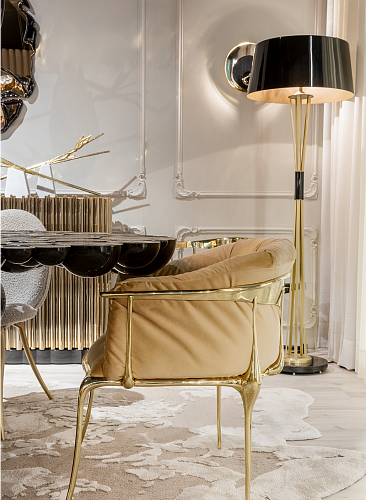
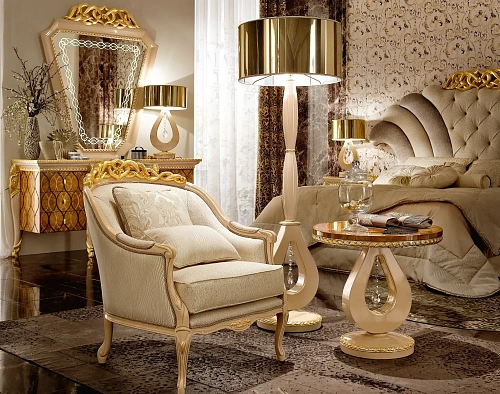
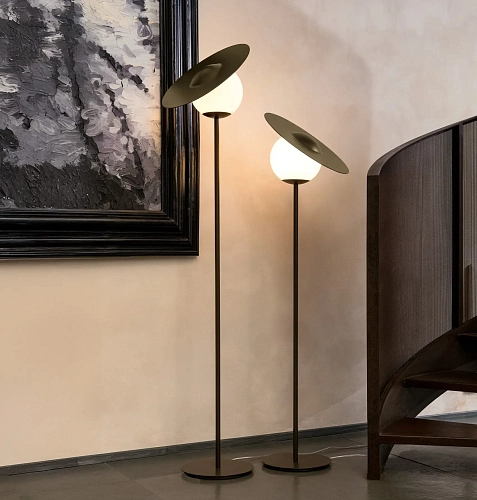
Ceiling fixtures light a room from above; wall sconces add horizontal rhythm. But neither addresses the mid-level zone — that area between the floor and eye height where most human activity actually takes place. Floor lamps occupy this space in a way no fixed installation can. They place light exactly where it's needed, move when the room changes, and introduce a vertical presence that shifts the whole proportional read of a space. A bare corner next to an armchair reads as unfinished; the same corner with a well-proportioned floor lamp becomes a destination.
There is also the practical argument. Unlike pendant lights or ceiling fixtures, a floor lamp requires no electrician, no commitment to a single position, and no renovation work. It is one of the few lighting decisions that can be made, implemented, and reconsidered without consequence — which makes getting the choice right both more important and considerably less stressful.
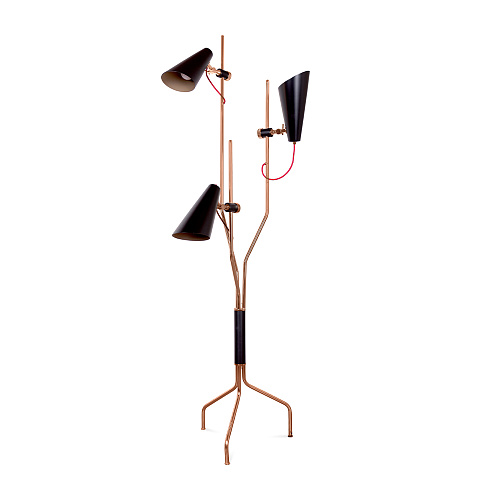
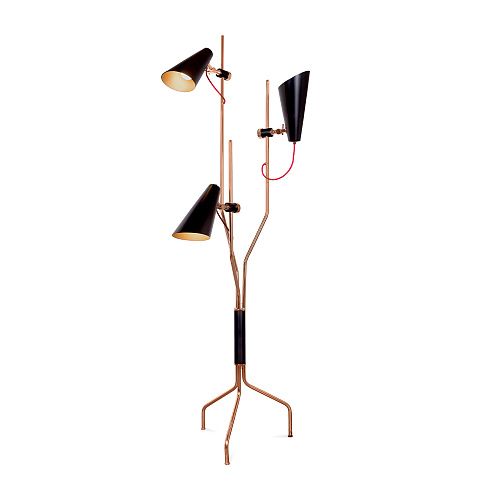
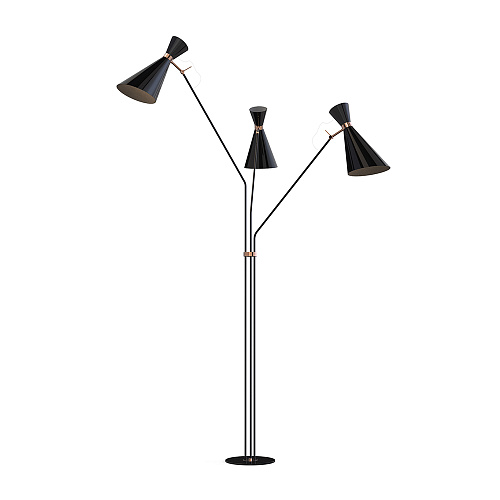
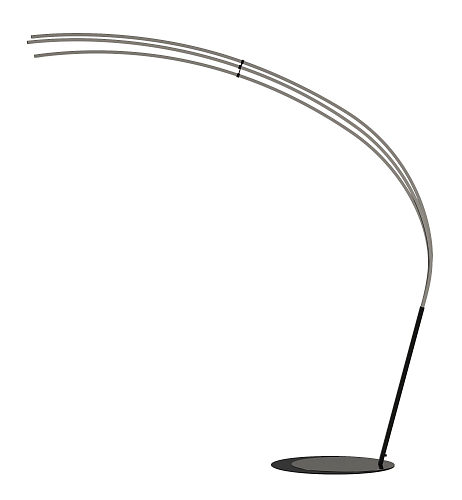
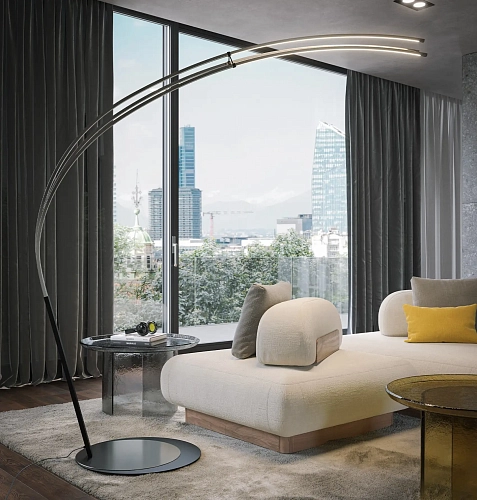
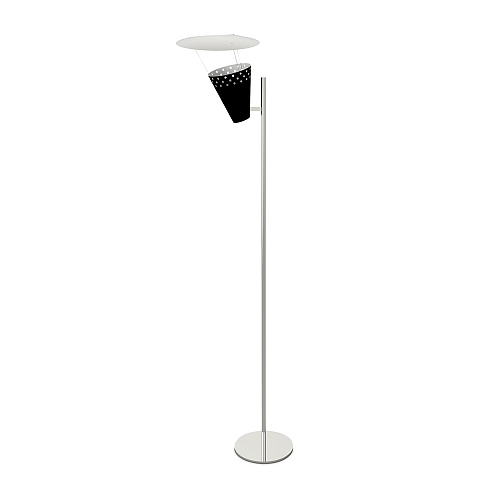
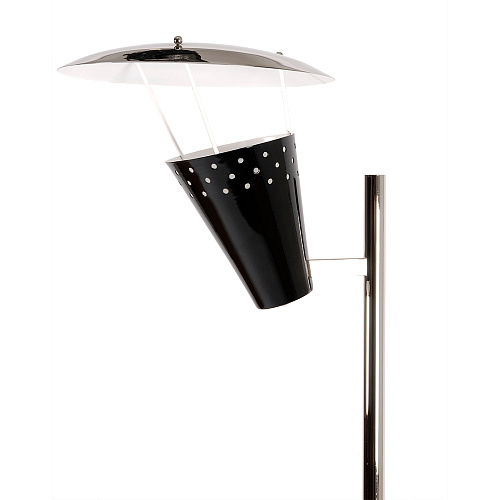
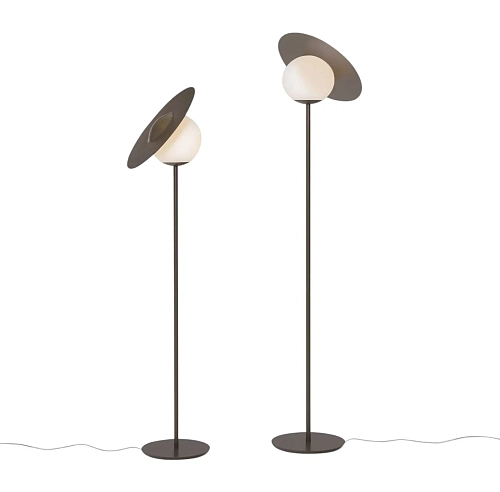
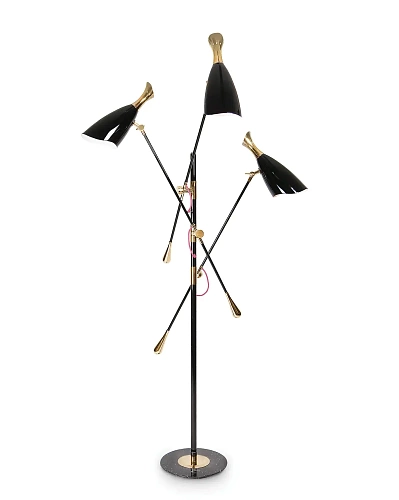
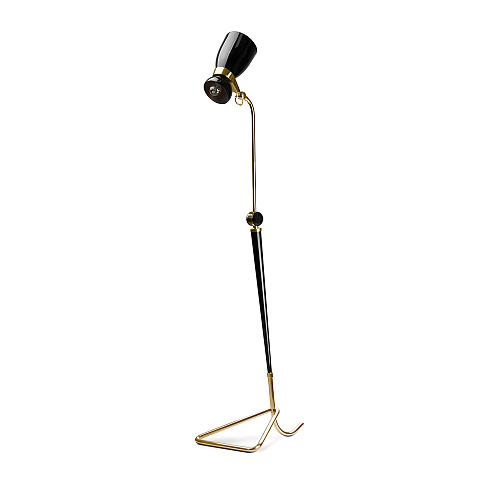
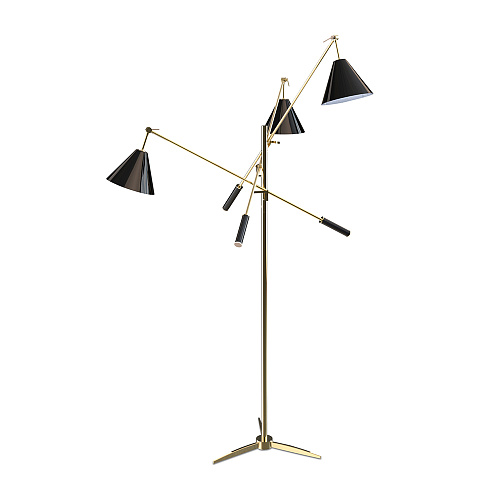
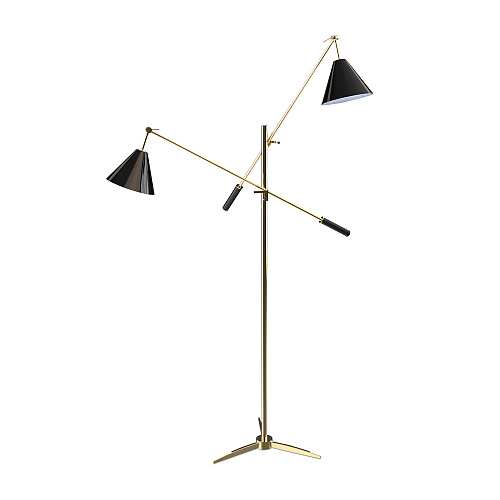
Standing lamps broadly divide into three functional types, and understanding the difference matters more than it might seem. Uplighters direct their output toward the ceiling, bouncing diffused ambient light back down across the room — they are the softest option and suit living rooms where a relaxed atmosphere in the evening is the priority. Downlighters or reading lamps position the source above and angle it downward, delivering focused task lighting without spilling into the rest of the space. Arc lamps — with their extended cantilevered arms — bridge the two: they can reach over a sofa or coffee table from a position at the room's edge, providing directed light over a specific area without requiring a side table or fixed point underneath.
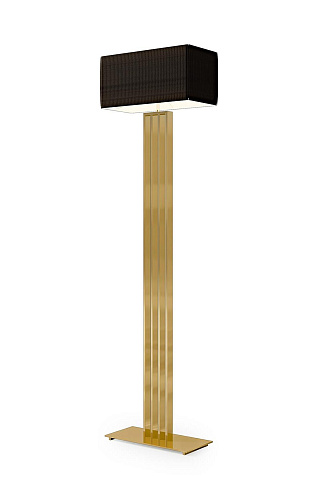
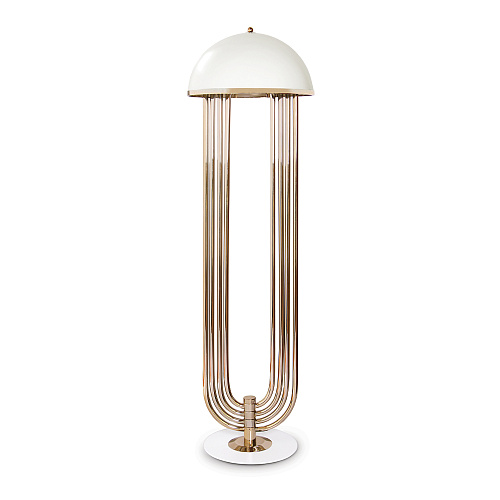
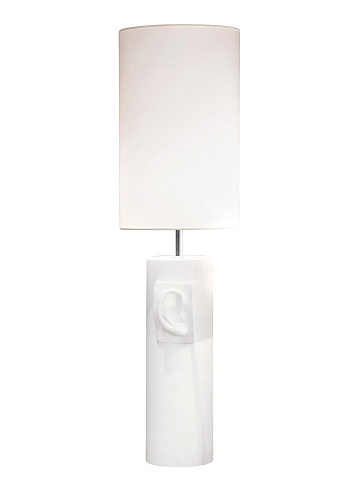
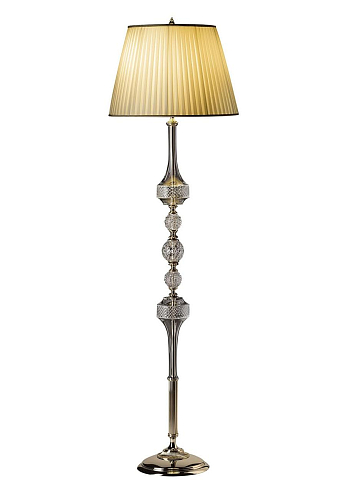
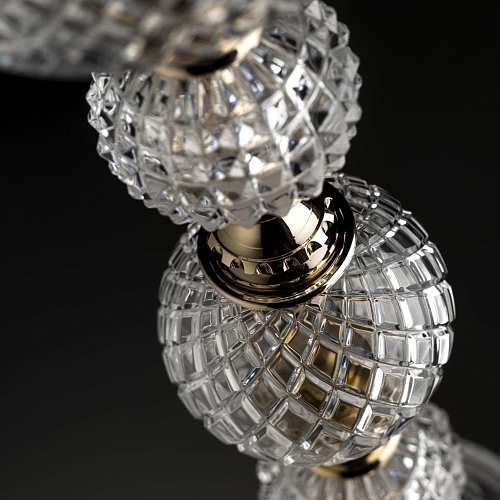
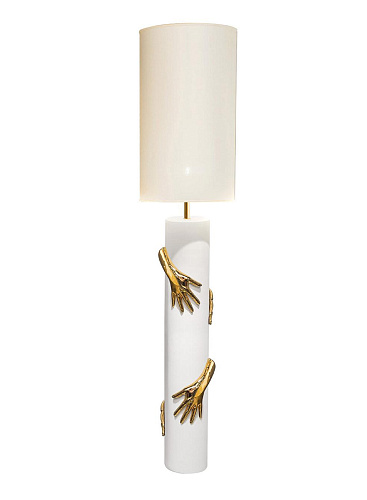
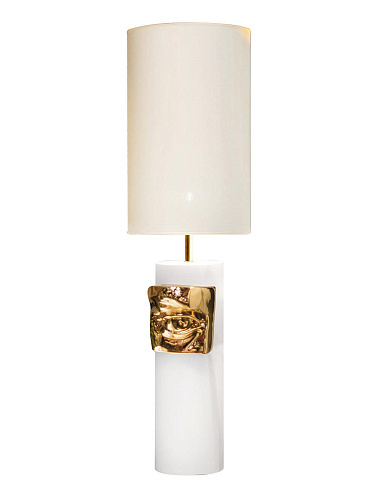
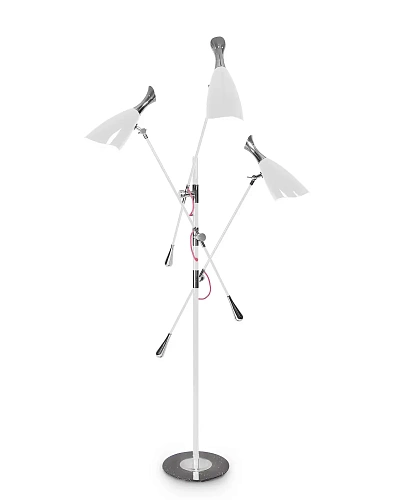
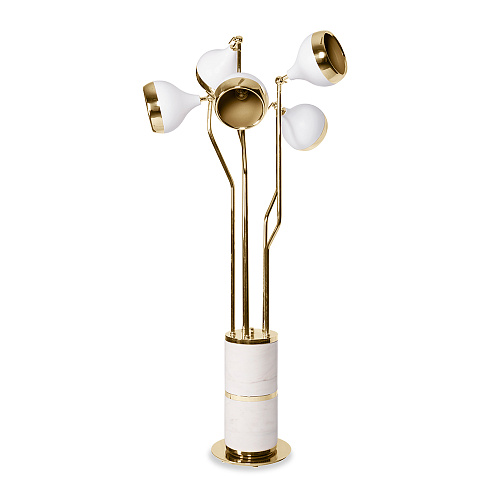
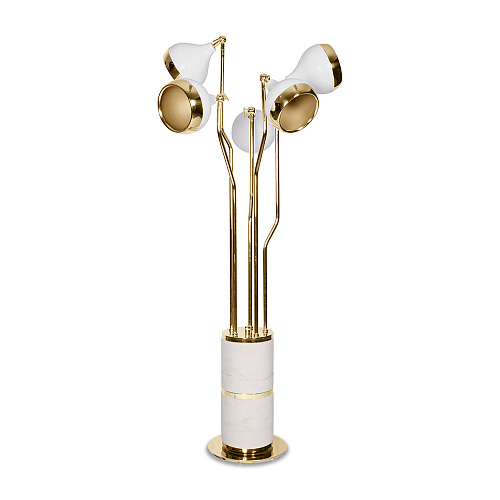
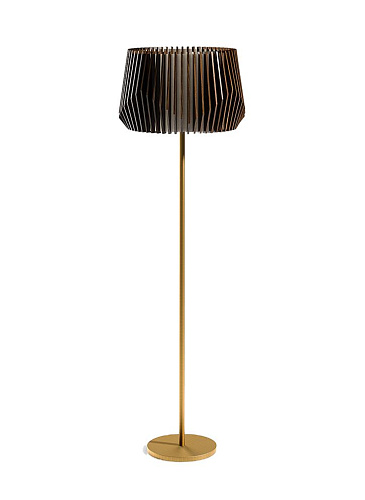
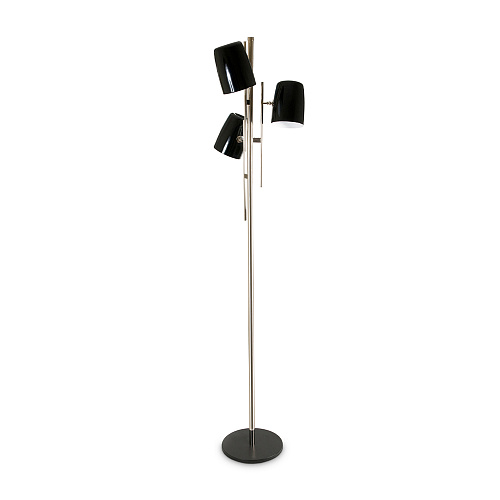
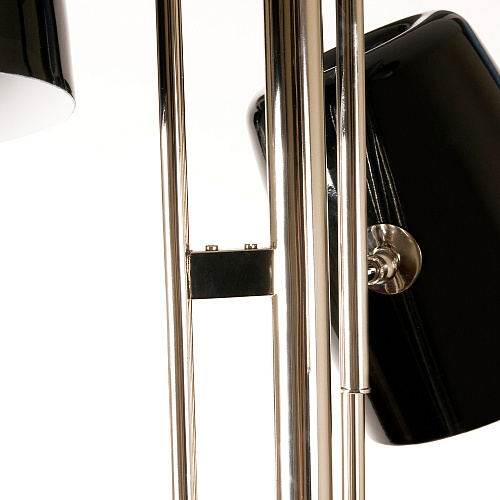
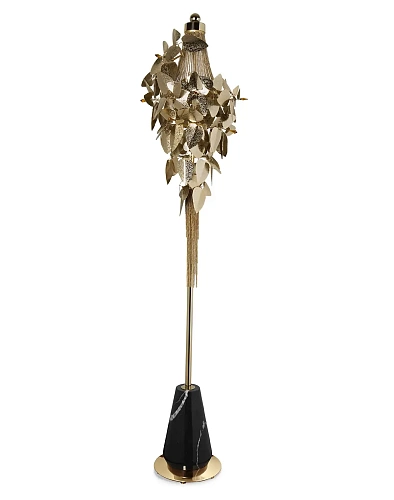
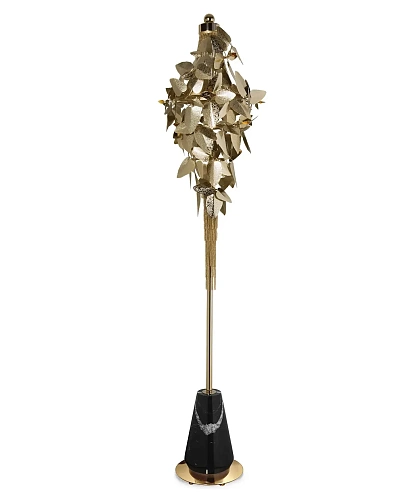
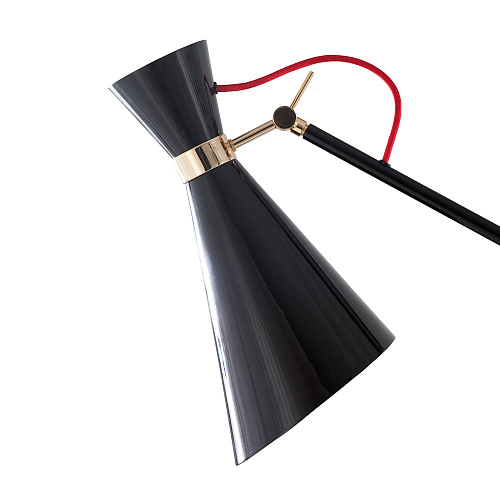
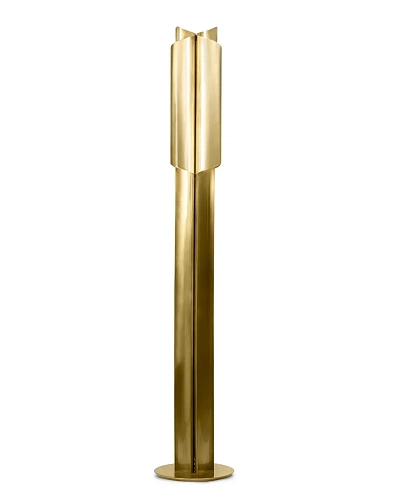
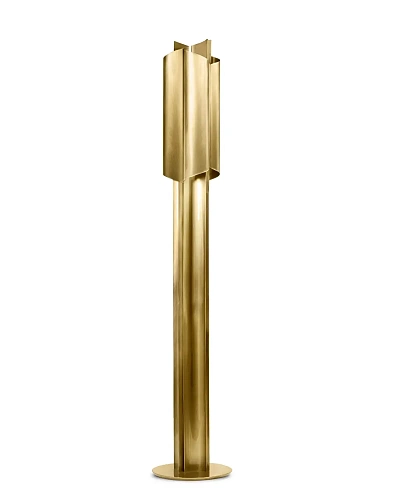
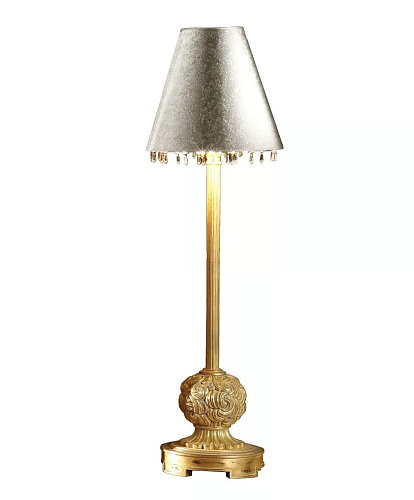
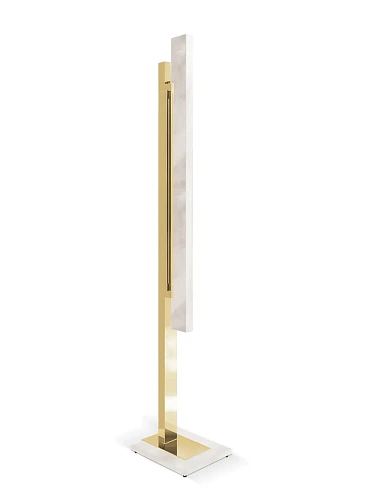
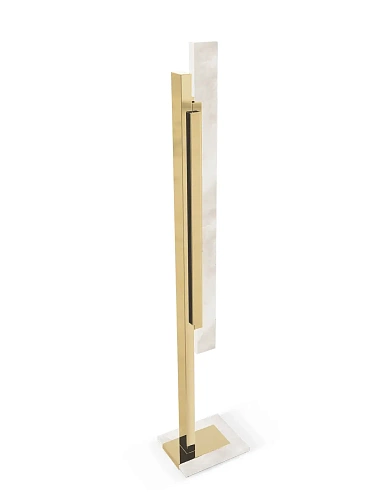
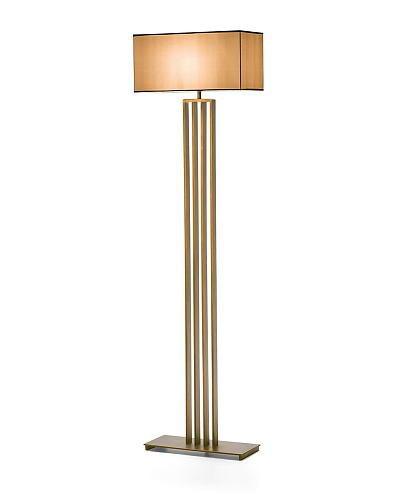
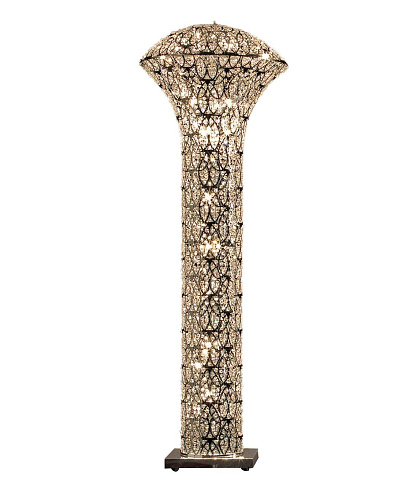
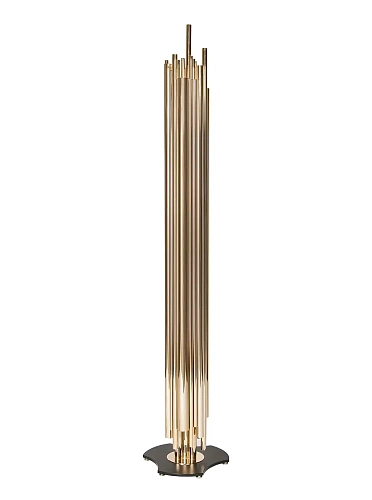
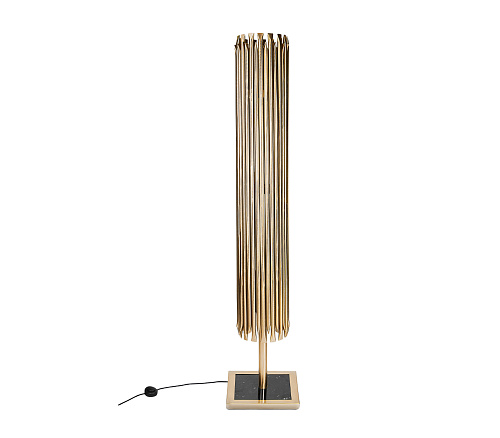
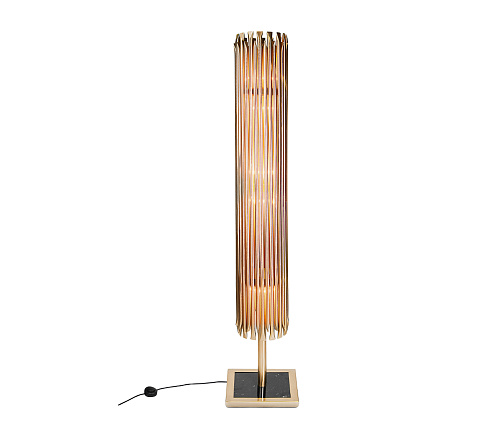
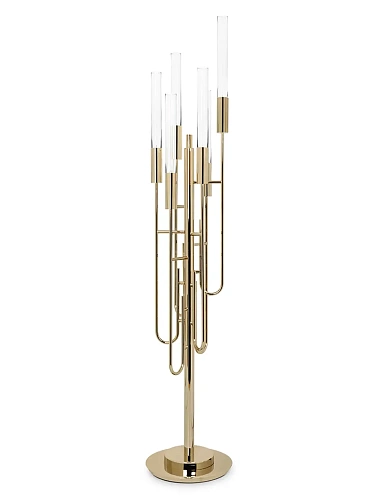
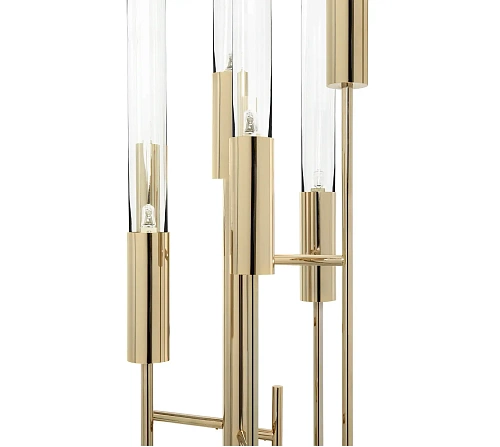
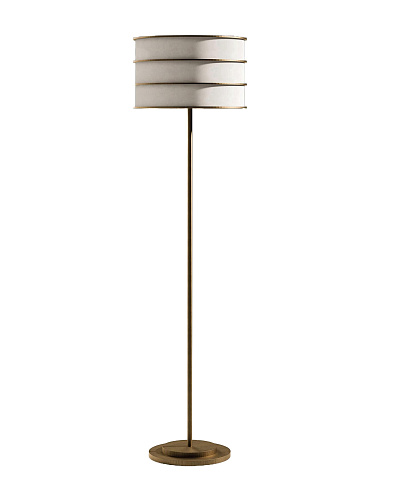
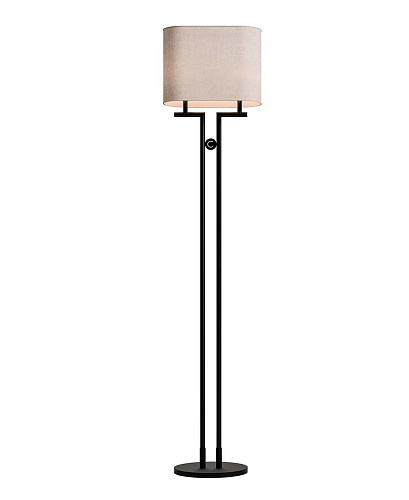
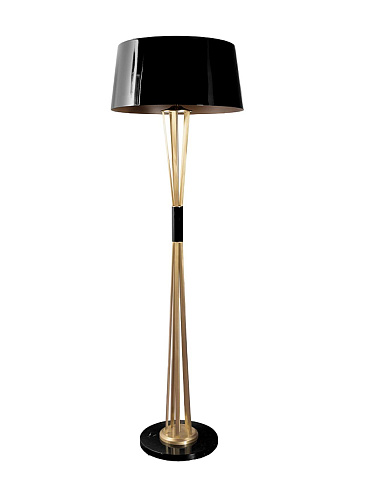
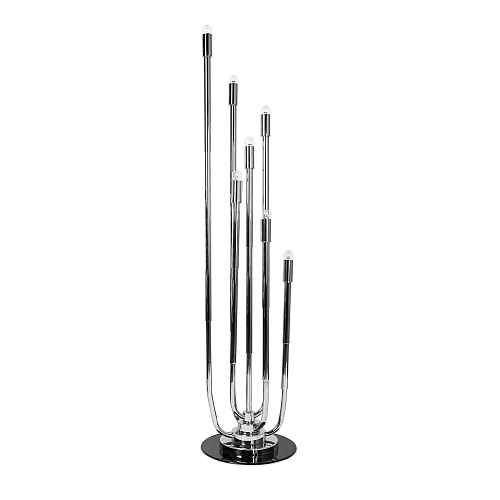
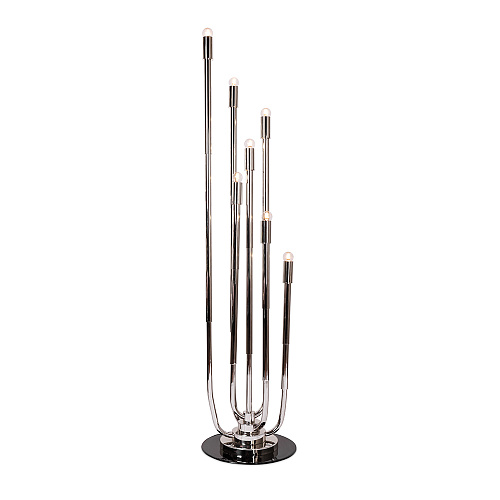
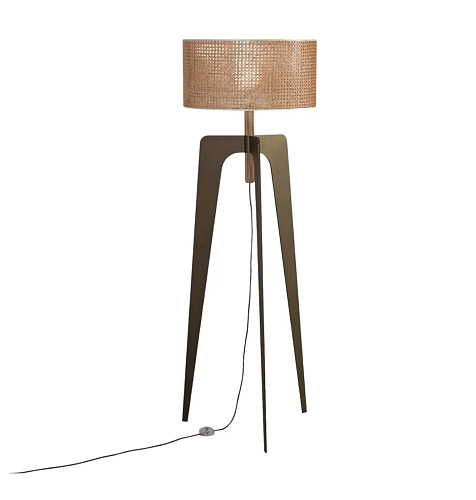
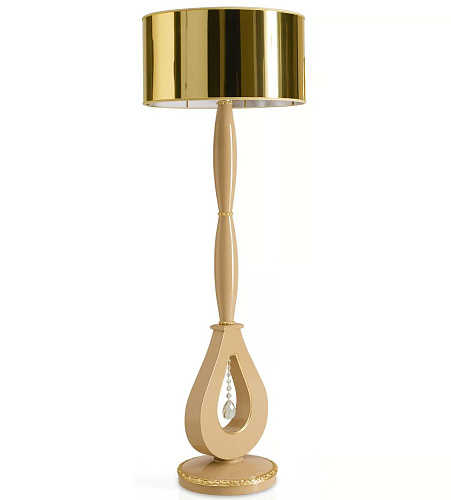
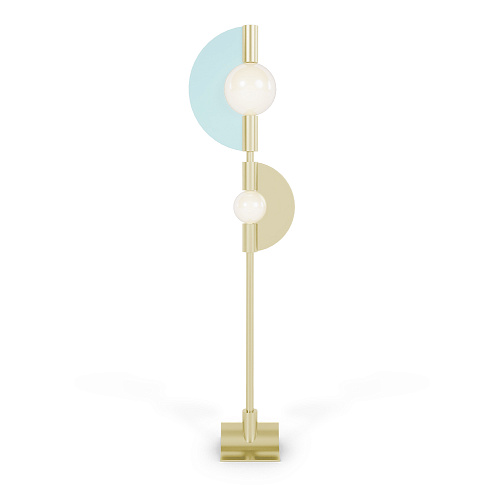
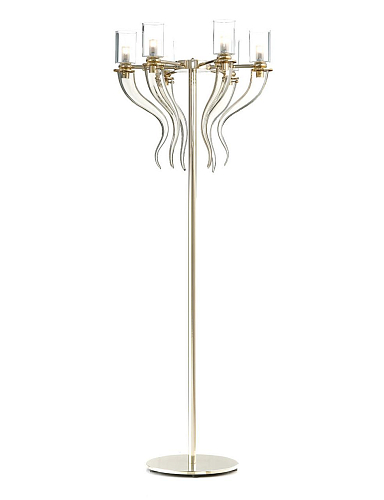
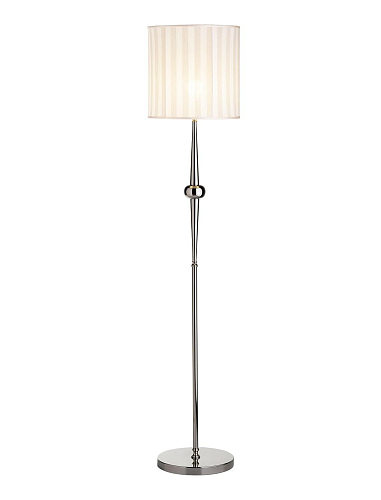
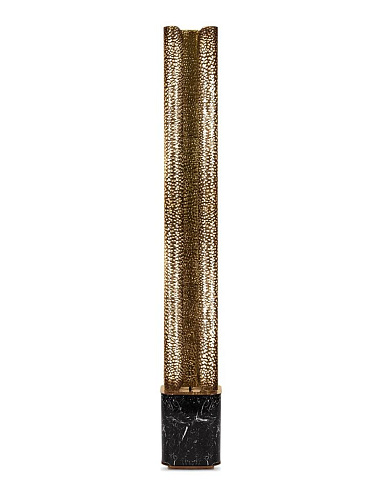
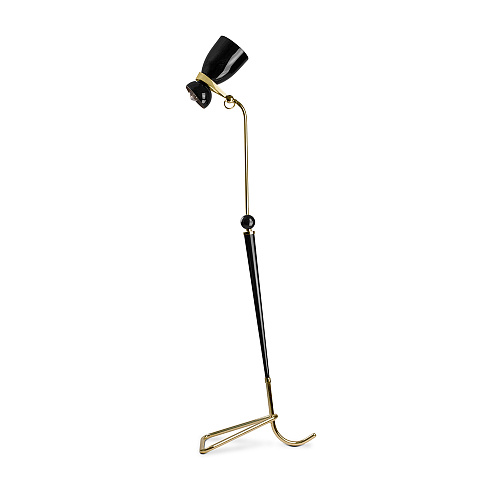
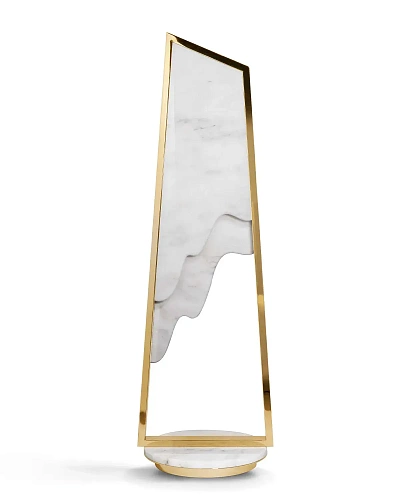
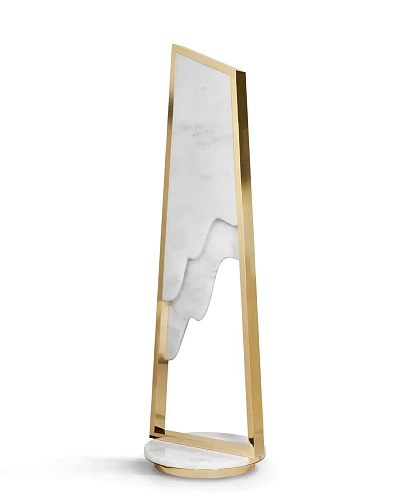
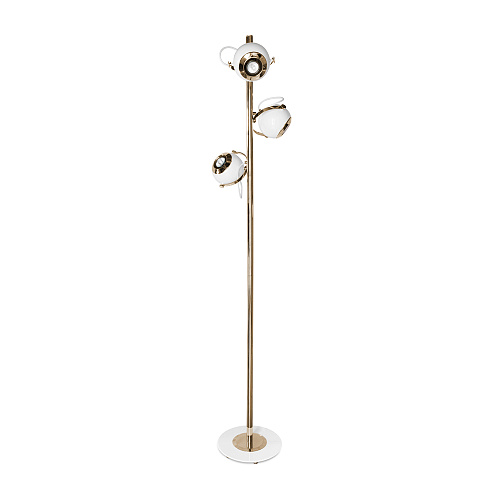
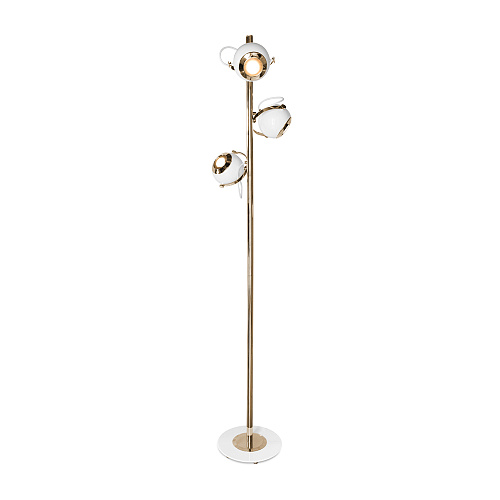
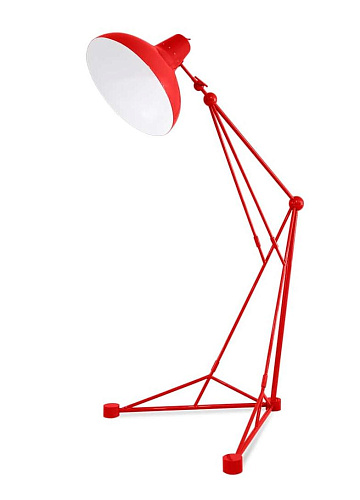
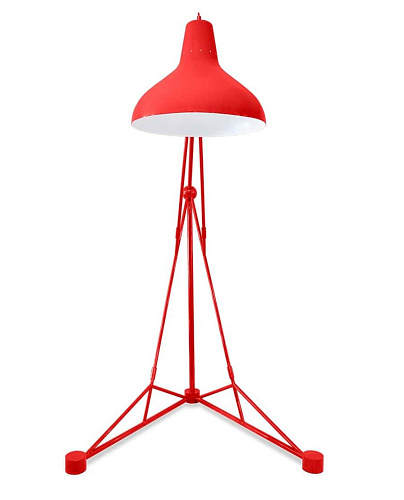
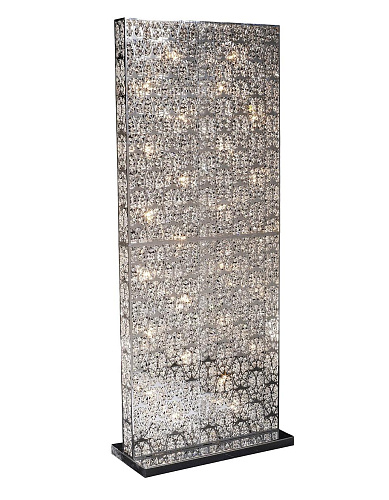
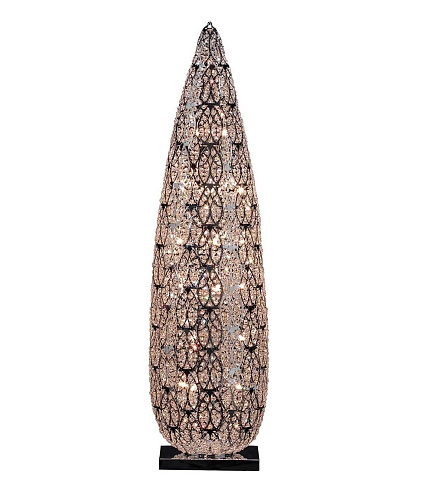
Our collection covers all three types across a wide range of styles and materials: hand-forged iron bases with fabric shades, polished brass with mouth-blown glass diffusers, marble bases with minimal metal stems, articulated industrial forms in powder-coated steel. Each combination produces a different quality of light and reads differently as an object in the room — a consideration that matters as much in daylight as it does after dark.
Height is the variable most often underestimated. A floor lamp that sits at 140cm in a room with 3-metre ceilings will disappear visually; one at 180cm holds its presence and reads as a considered vertical element rather than an accessory. Shade diameter affects both light spread and visual weight — a wide drum shade throws more ambient light across a larger area, while a narrow shade concentrates the output and keeps the piece itself less prominent. Base weight matters in rooms with children or pets; a broad, low-set base is considerably more stable than a tall narrow column regardless of how the latter photographs.
Bulb specification is worth confirming before purchase. Most designer floor lamps in our collection are documented with recommended sources and colour temperatures — details that determine whether the lamp performs as intended or simply looks good in a product image.
When you buy a floor lamp at this level, the expectation is that it stays. Not because it can't be moved, but because it was chosen with enough consideration that it remains relevant as the room around it evolves. Our collection has been selected on that basis — pieces from European and Portuguese manufacturers whose construction quality, material choices, and design resolve hold up over years of daily use. Full specifications, dimensions, and shade options are available for each piece, so the decision is made with complete information rather than on the strength of a single photograph.