Shopping Basket
You have no items in your shopping basket.


Wishlist
Your wishlist is currently empty
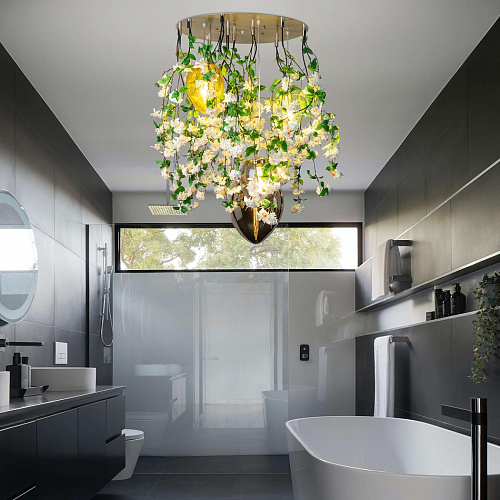
No other element in a room carries as much visual weight from a single position as a chandelier. Hung at the right height over a dining table, it collapses the distance between people seated around it. Placed in an entrance hall, it establishes the register of the entire home before a single other room is seen. That is a significant amount of work for one object — and it explains why the decision deserves more consideration than most ceiling fixtures typically receive. Chandeliers are the one category of lighting where the fixture itself is as present in a switched-off room as a lit one. The silhouette, the material, the scale — all of it reads in daylight, not just after dark.
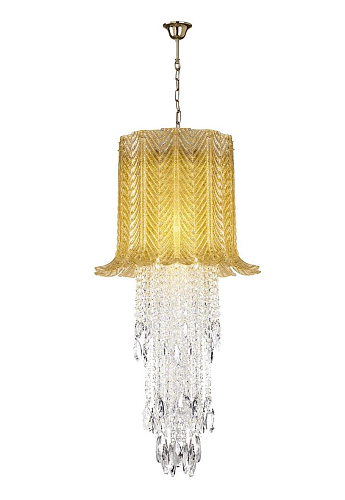
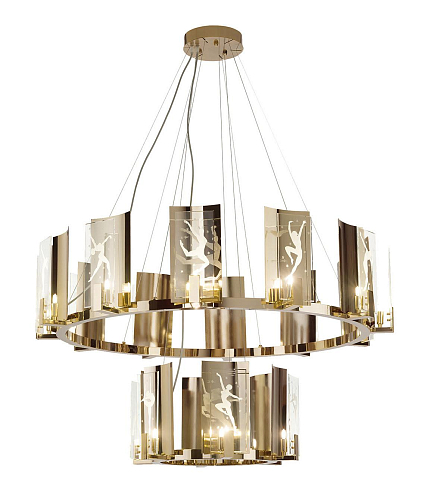
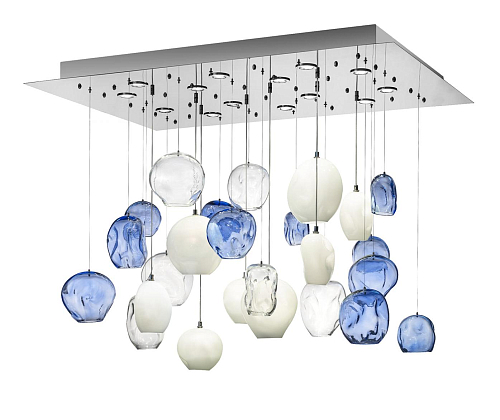
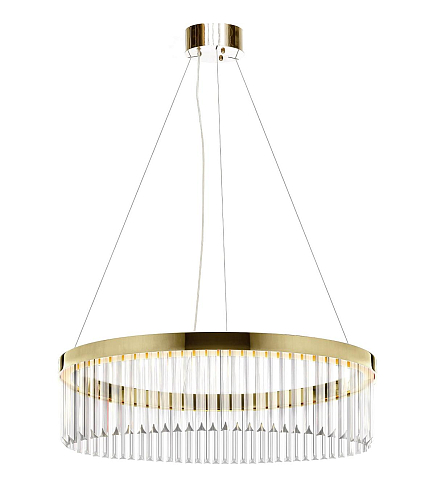
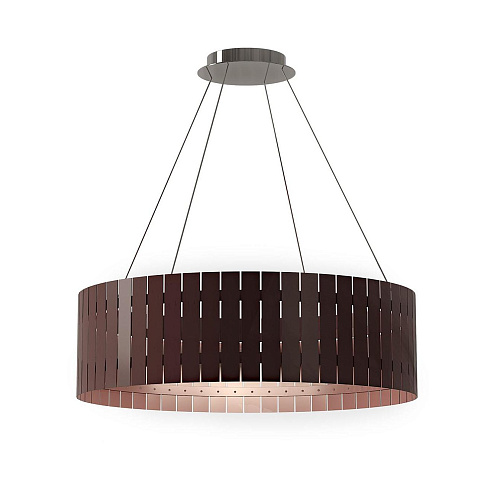
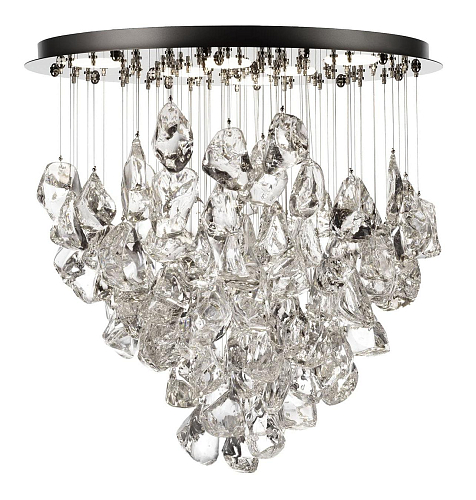
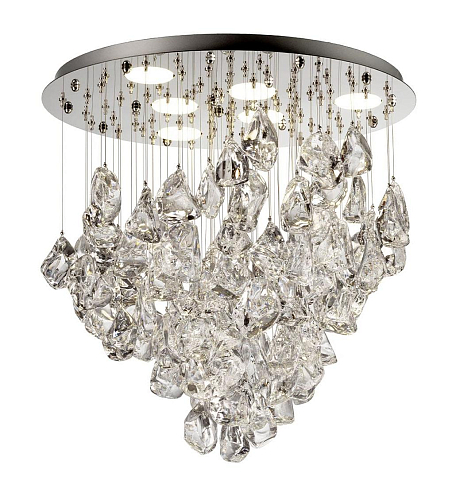
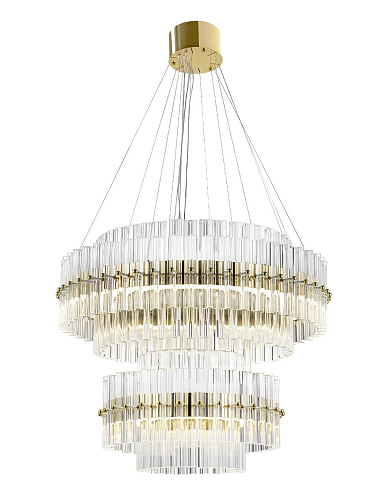
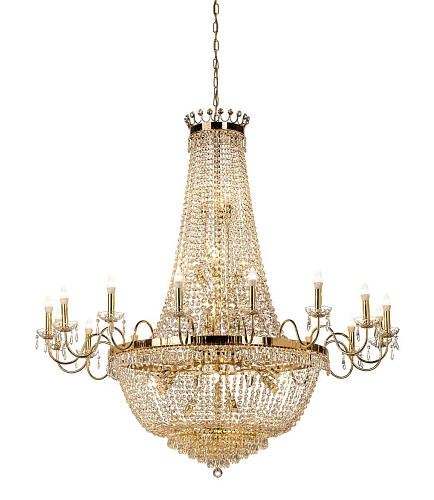
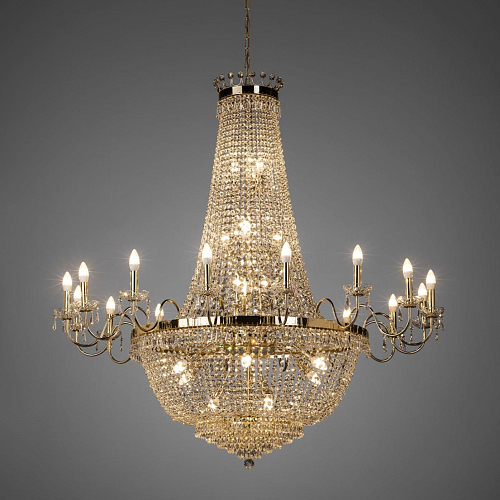
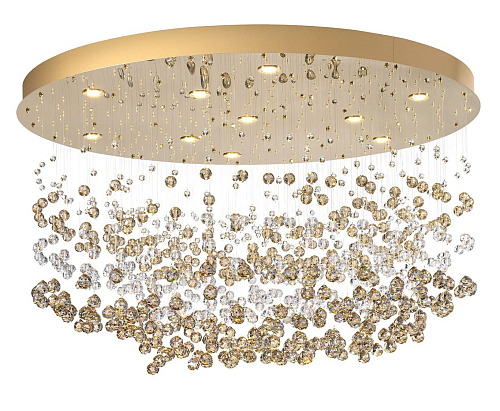
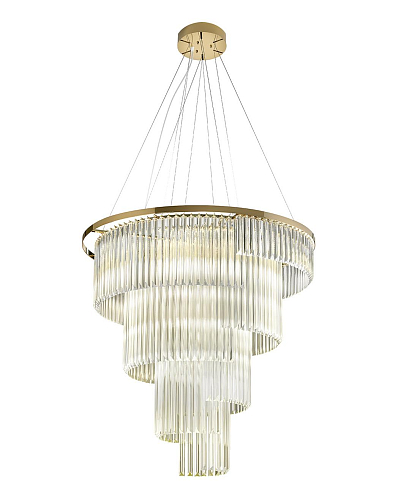
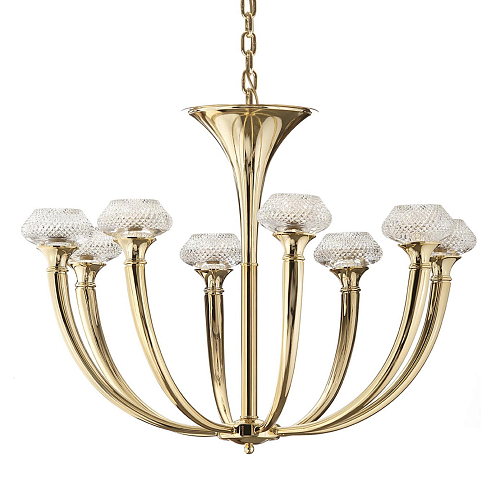
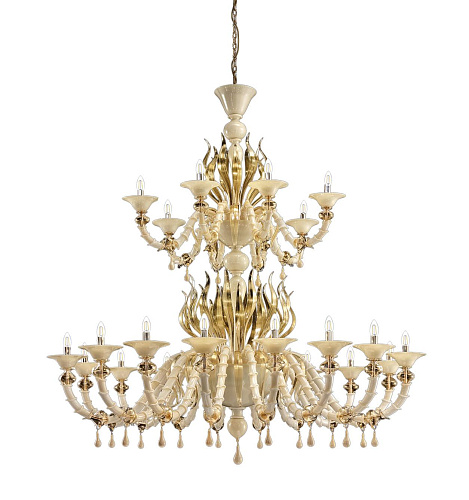
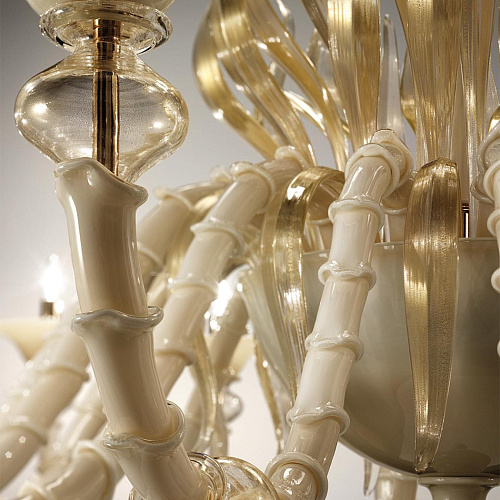
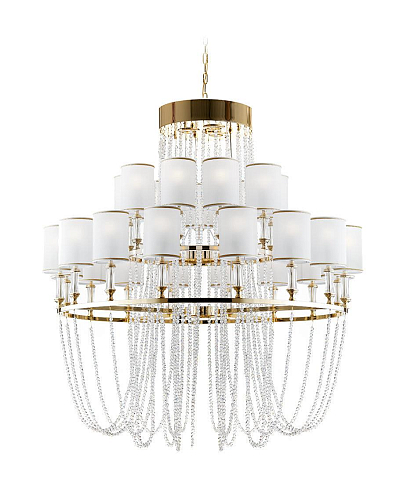
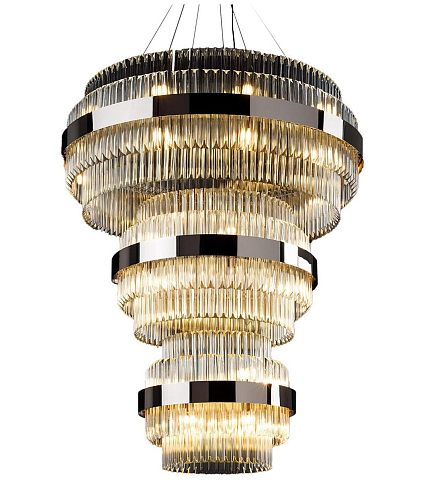
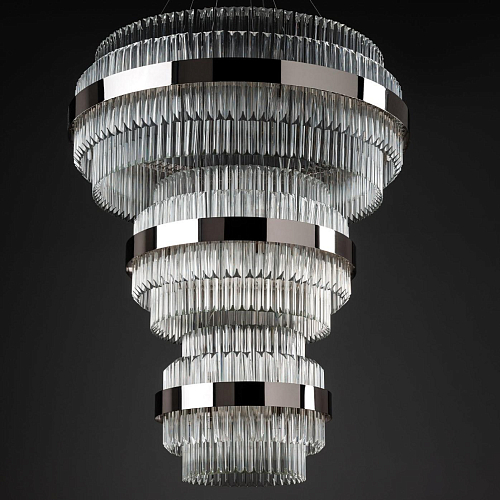
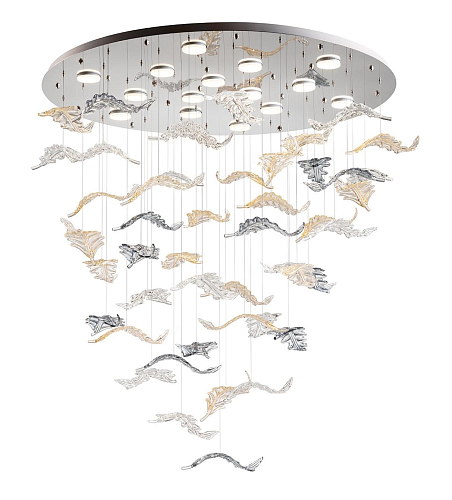
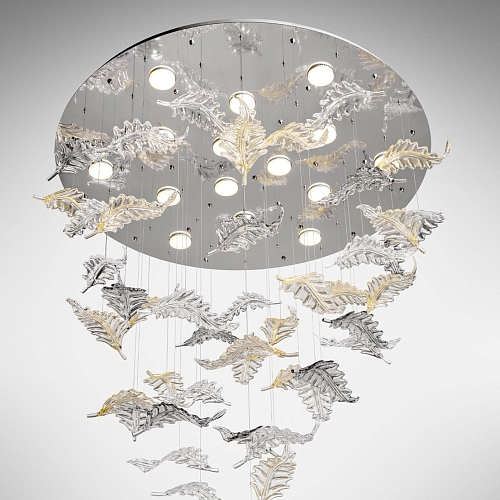
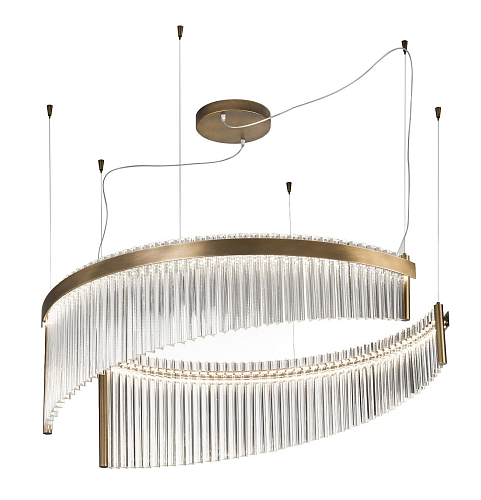
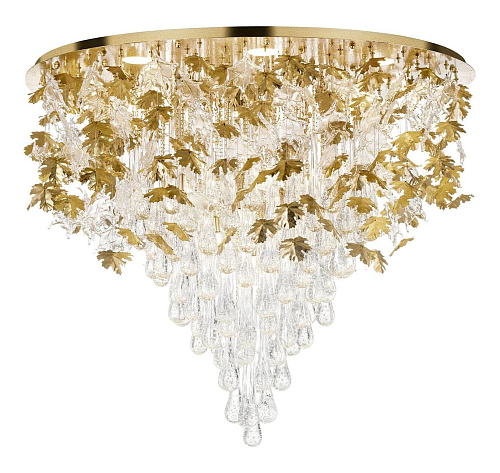
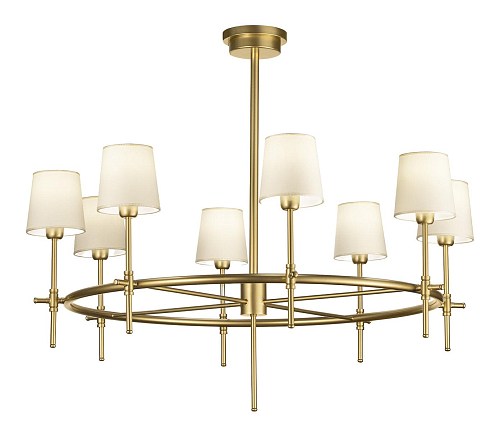
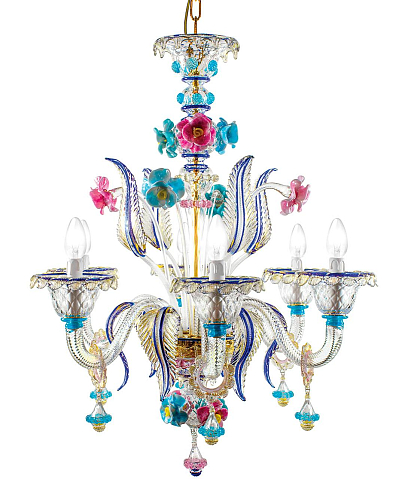
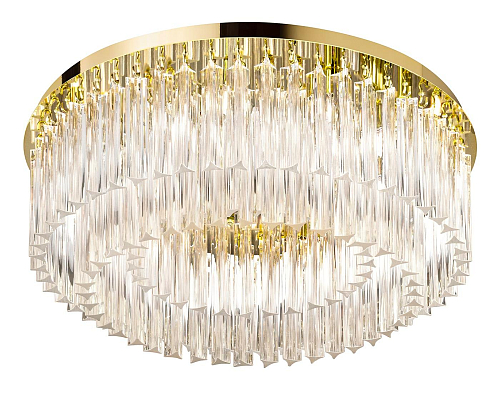
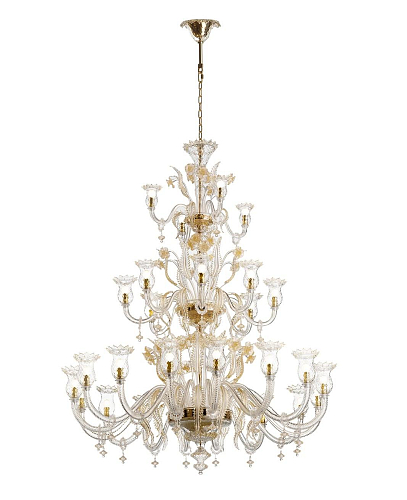
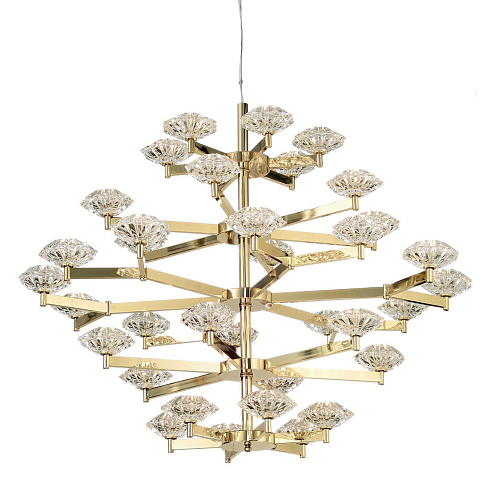
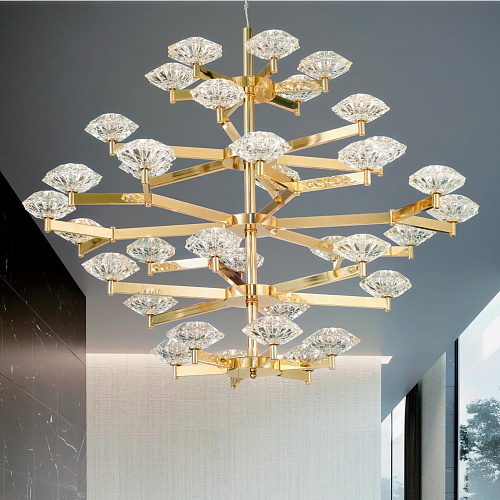
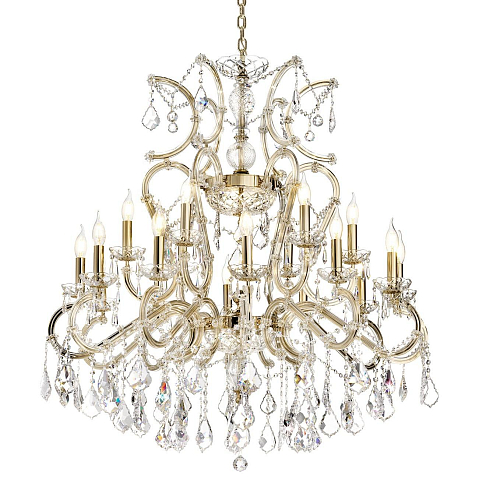
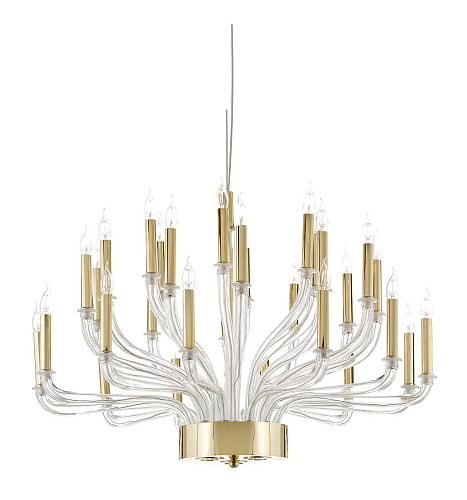
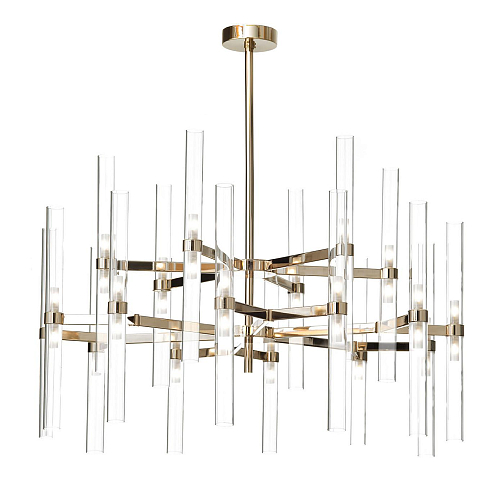
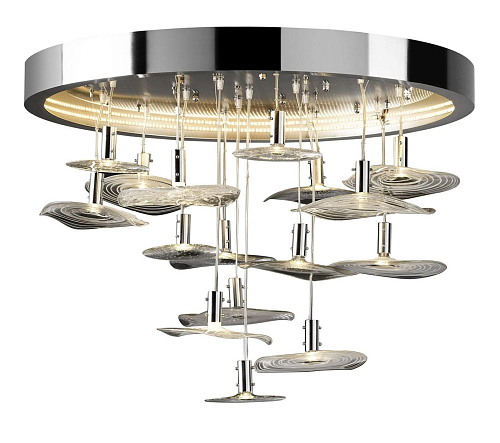
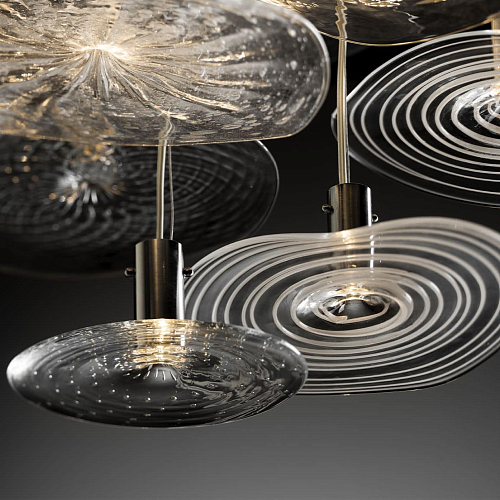
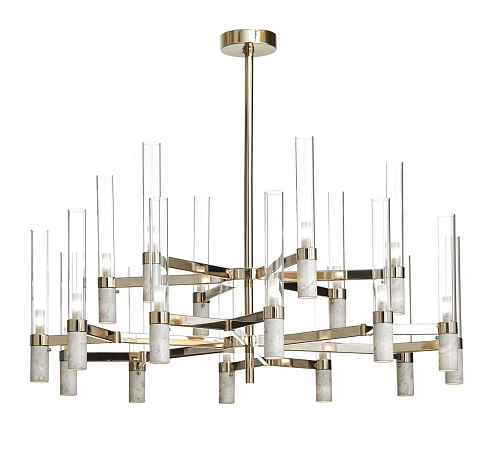
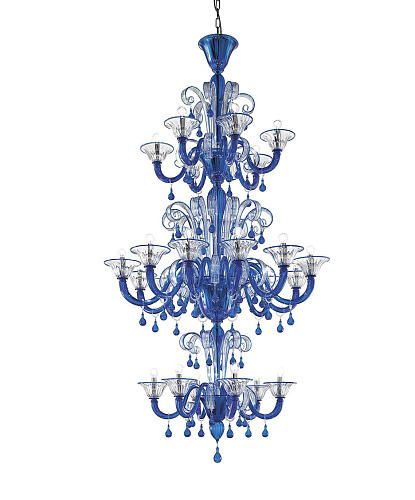
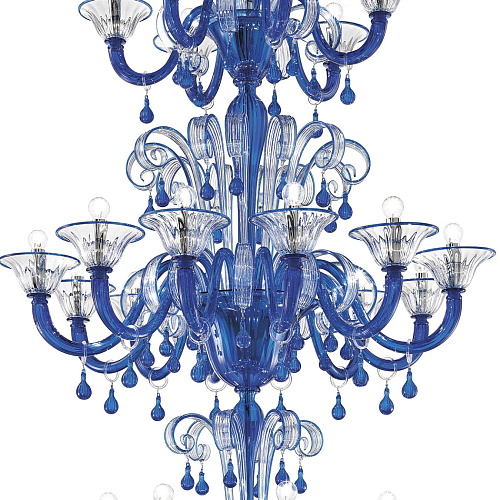
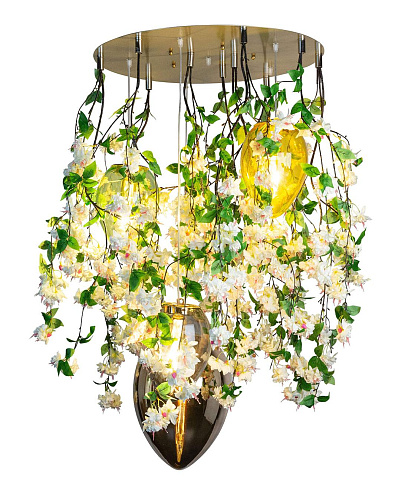
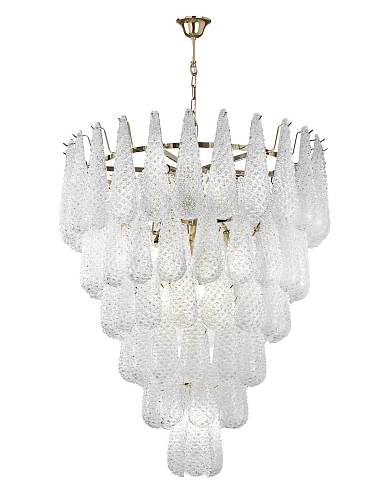
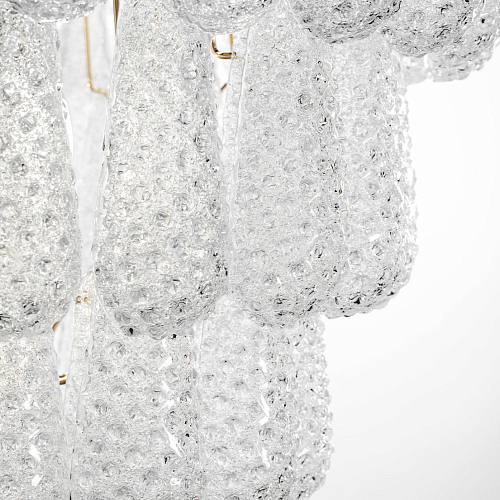
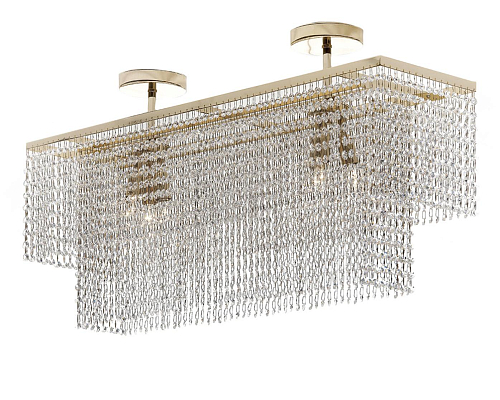
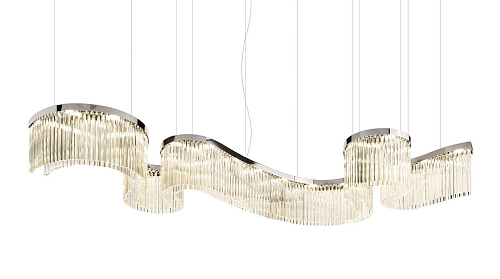
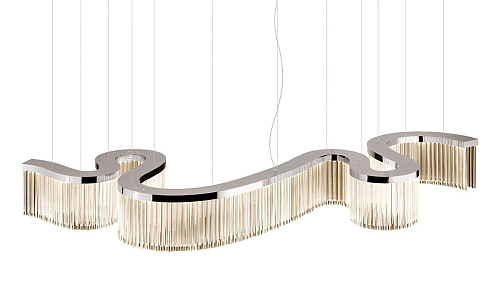
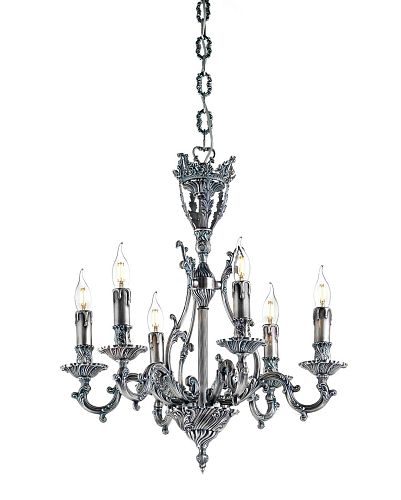
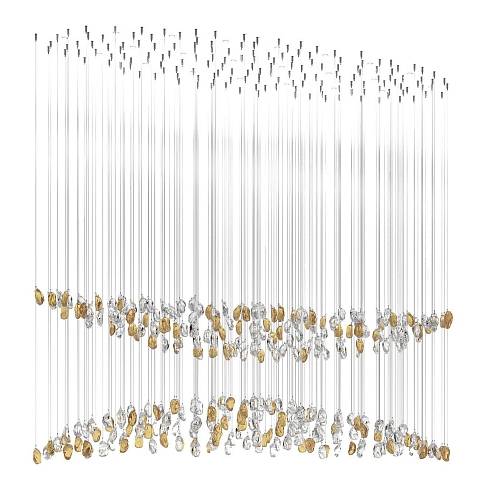
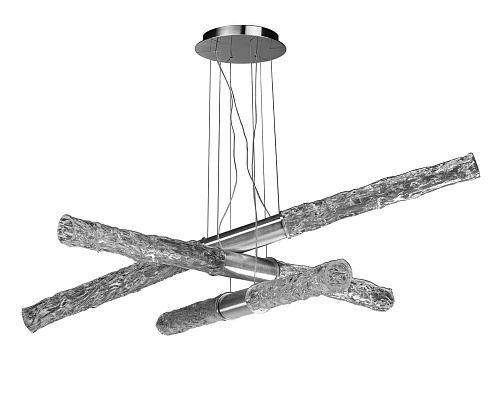
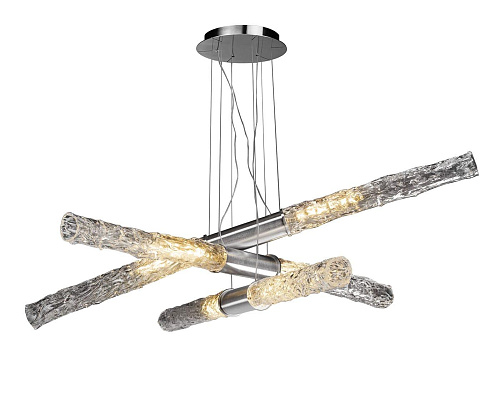
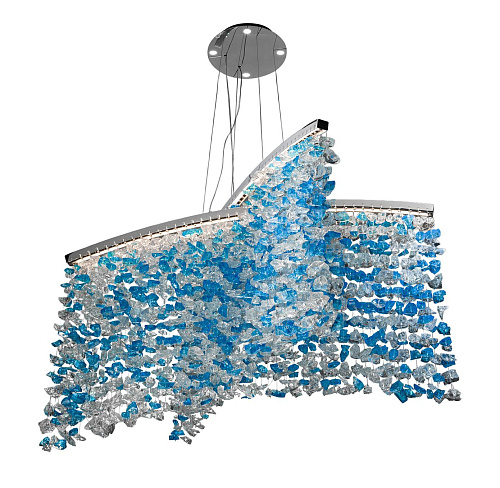
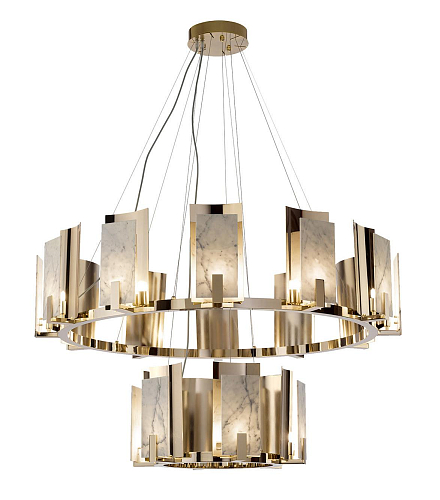
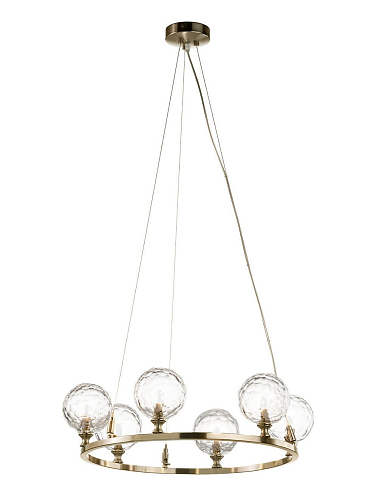
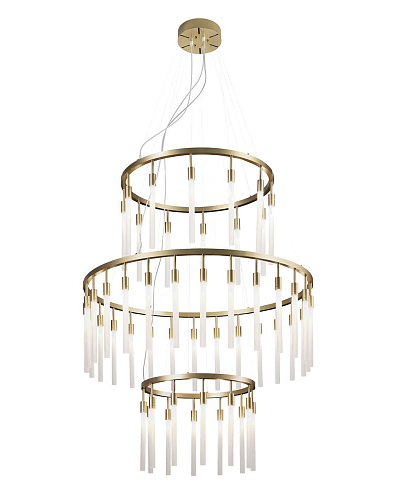
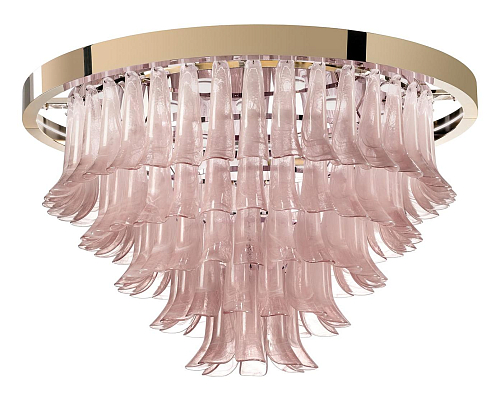
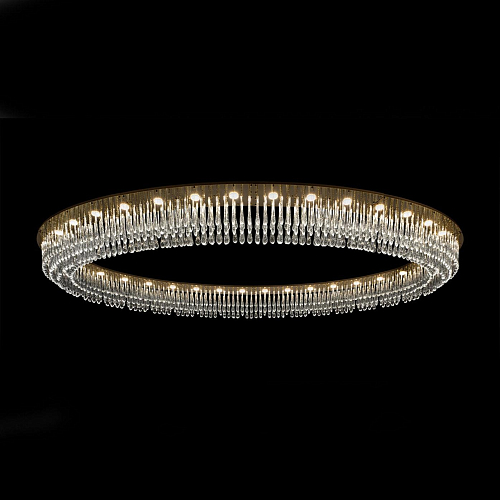
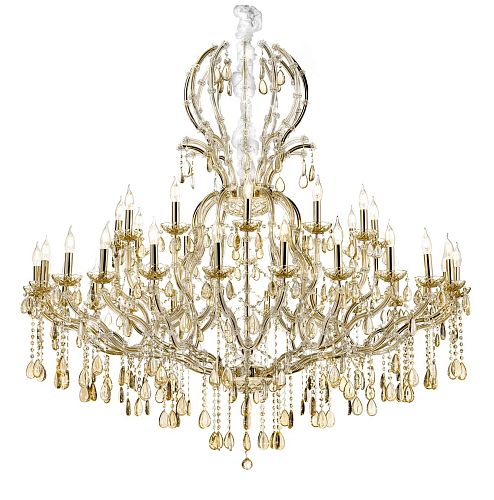
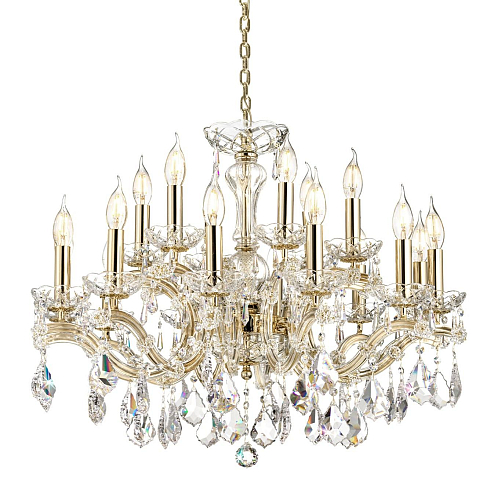
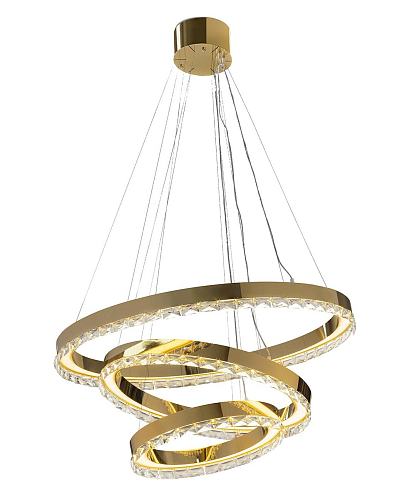
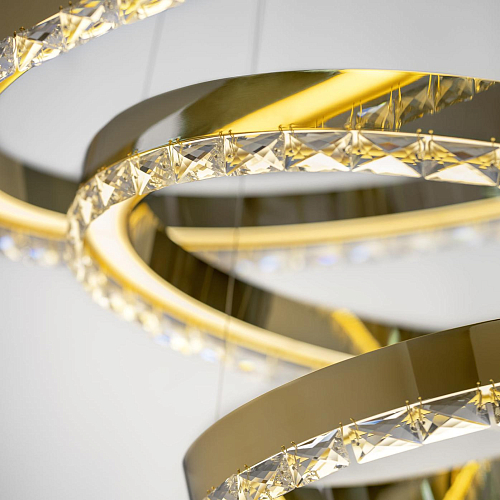
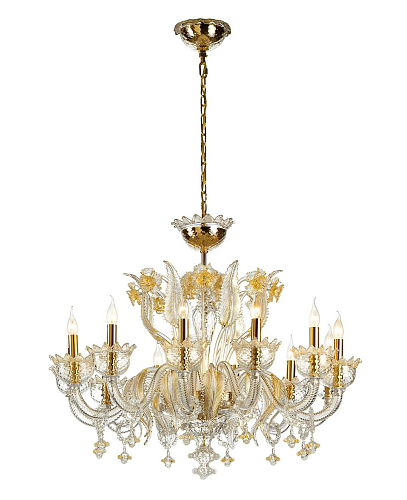
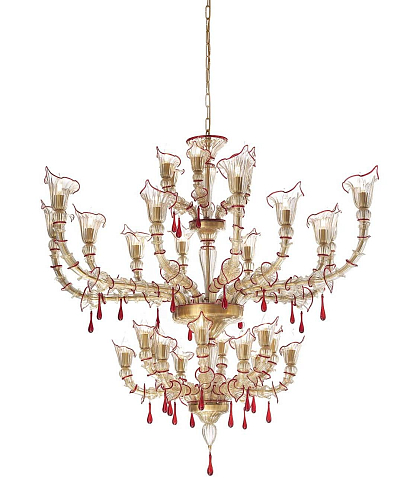
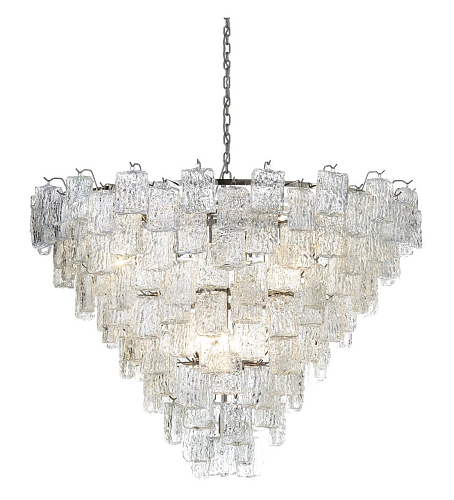
The collection covers the full range of what this category offers: crystal chandeliers that refract light across a room in ways no other material replicates, sculptural metal forms that hold their presence without ornamentation, blown-glass pieces with a softer, more diffuse output, and tiered designs that command larger volumes of space — entrance halls, double-height living rooms, stairwells — without visual excess. Each type behaves differently in a room, and that behaviour is worth understanding before a purchase is made.
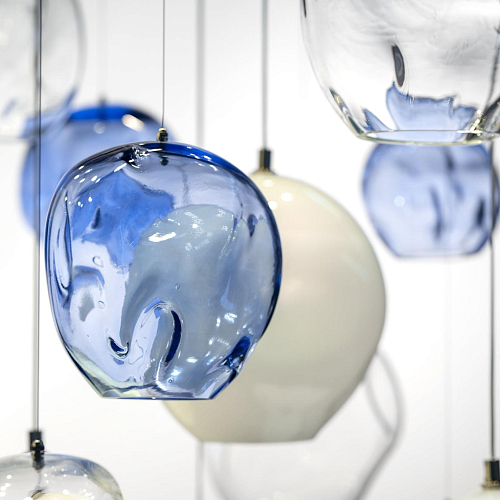
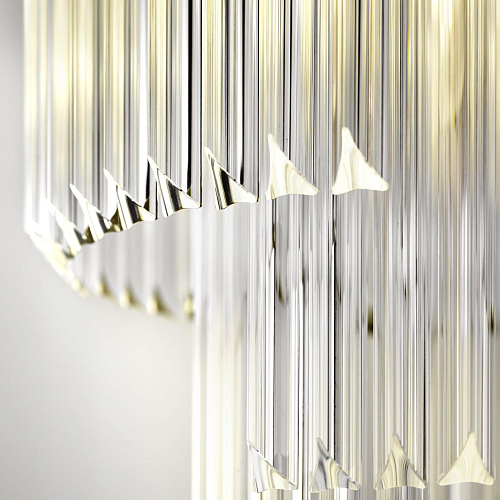
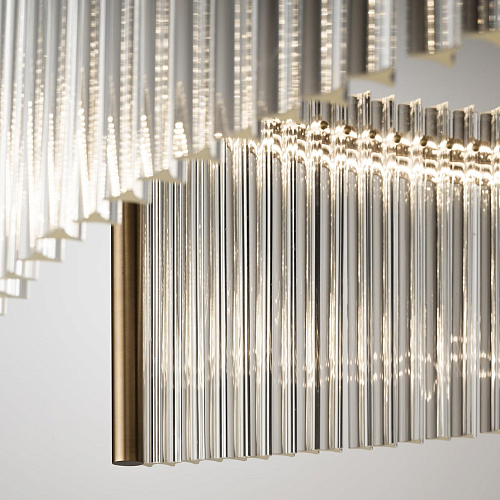
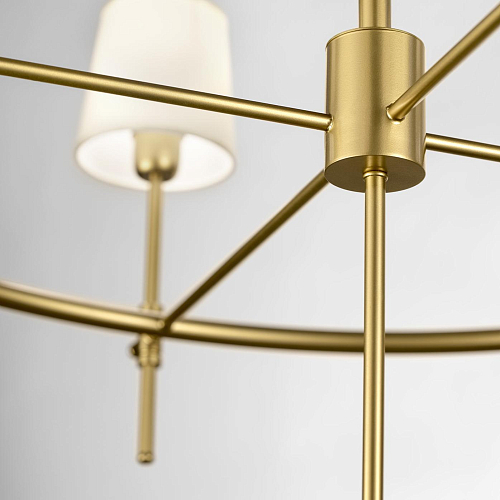
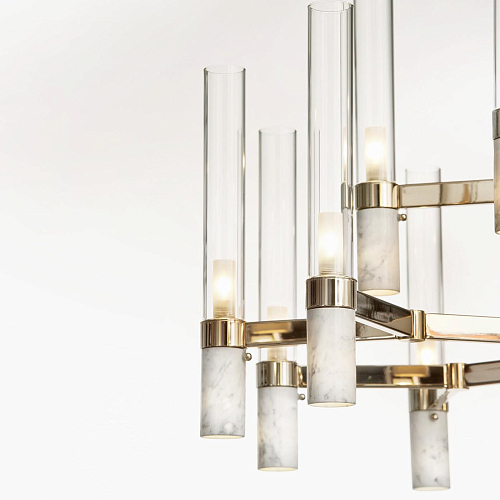
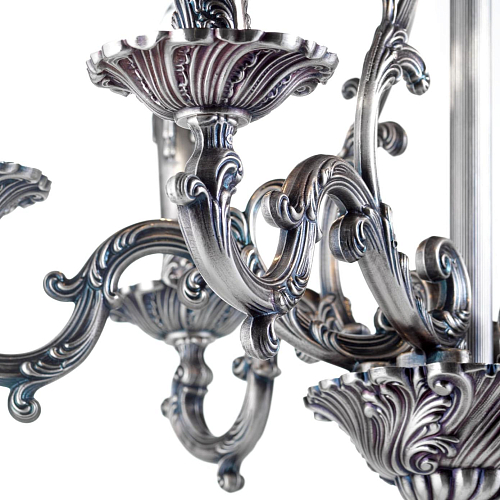
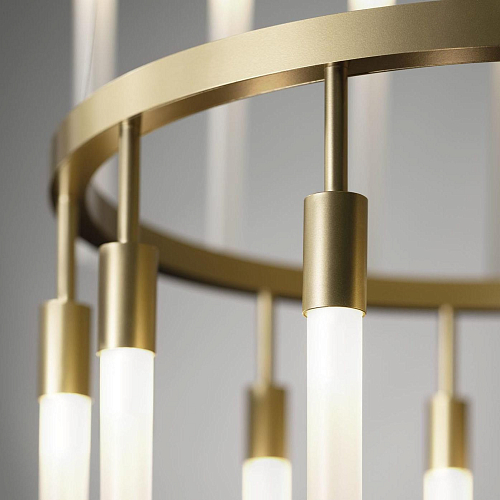
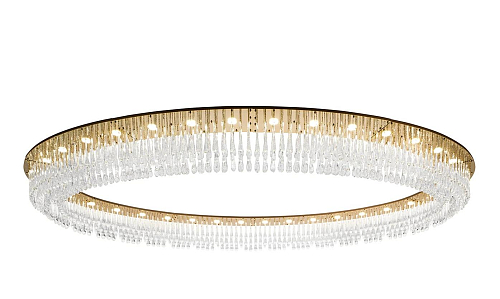
Crystal remains the reference material for chandelier lights for ceiling installations where maximum light distribution is the goal. The faceted surfaces scatter and refract rather than simply transmit, producing secondary light across walls and ceilings that a smooth glass or metal fixture never generates. Brass — whether polished, aged, or brushed — introduces warmth into the metal structure and reads differently as it patinates over time. Blown glass, particularly in smoked or tinted finishes, softens the output and gives the piece a more sculptural, less declarative quality suited to bedrooms and intimate dining spaces. Rattan and natural fibre chandeliers carry their own logic — lower in visual weight, suited to interiors where the architecture is already doing the heavy lifting.
Style range in the collection is equally broad:
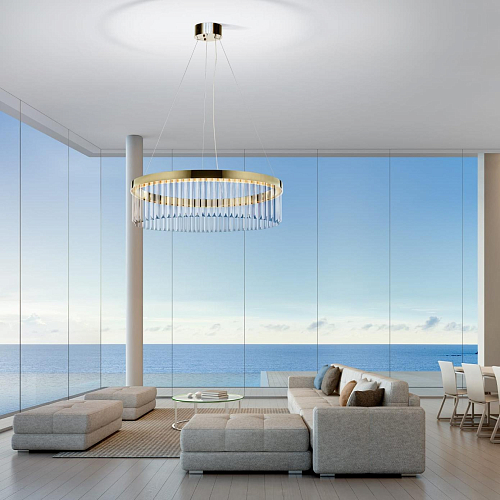
The most common mistake with designer chandeliers is undersizing. A fixture that looks substantial in a product photograph can read as tentative in a room with a 3-metre ceiling and generous floor area. The standard reference point — add the room's length and width in feet and convert to inches for the approximate chandelier diameter — gives a working starting point, but ceiling height adjusts the calculation considerably. Over a dining table, the bottom of the fixture should sit roughly 75–85cm above the table surface; in an open room with no furniture directly below, height depends on ceiling clearance and the visual mass of the piece itself. These are details that the full product specifications in the collection are equipped to answer.
When you buy chandeliers at this level, the expectation is longevity — not just structural durability, but designs that don't date within a single decorating cycle. The collection has been selected with that standard in mind: pieces that hold their relevance because the design was resolved rather than fashionable, produced by manufacturers whose material quality and construction methods are consistent enough to be relied upon. Dimensions, materials, hanging height adjustability, and bulb specifications are all presented in full — because a purchase of this significance should be made with complete information rather than hopeful approximation.