Shopping Basket
You have no items in your shopping basket.


Wishlist
Your wishlist is currently empty
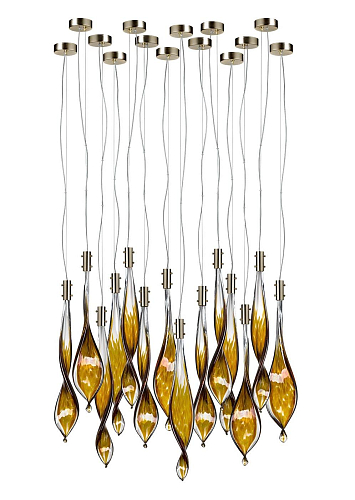
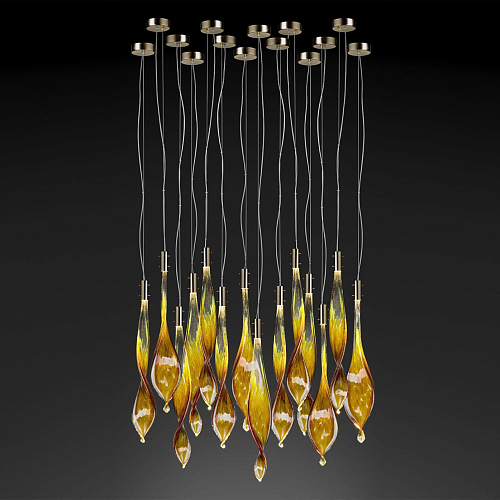
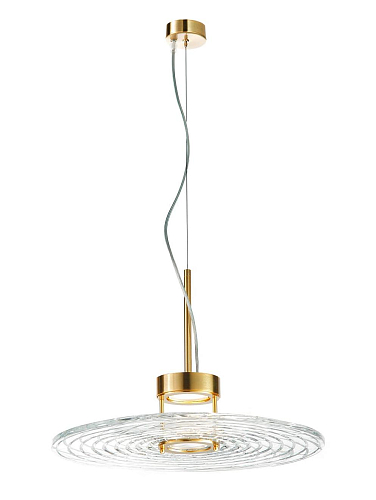
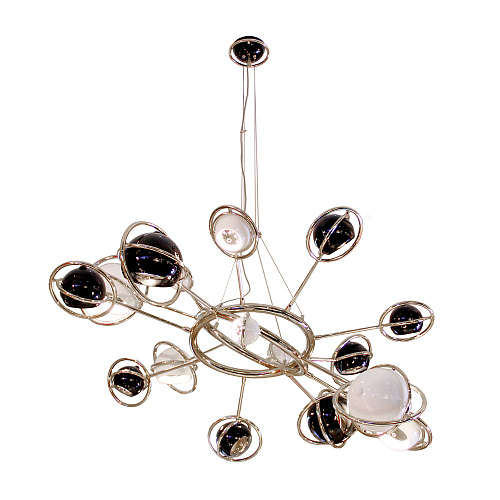
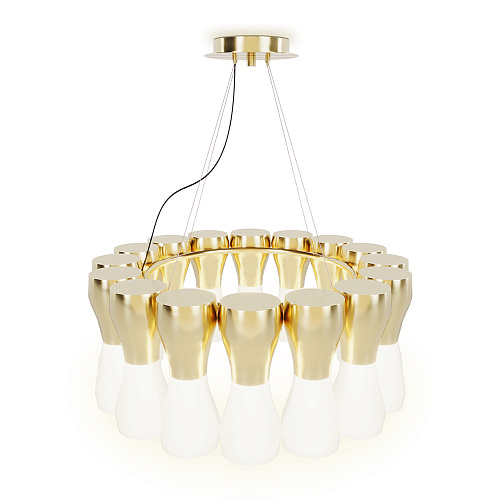
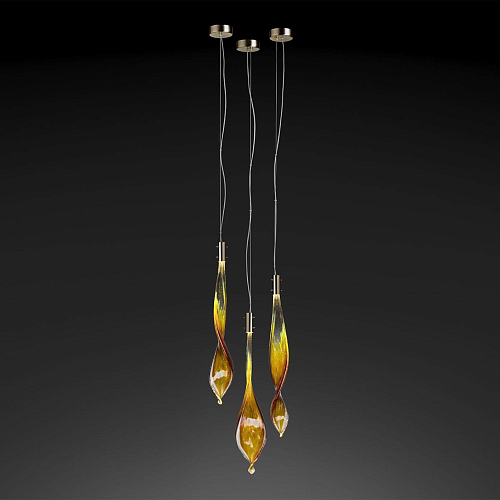
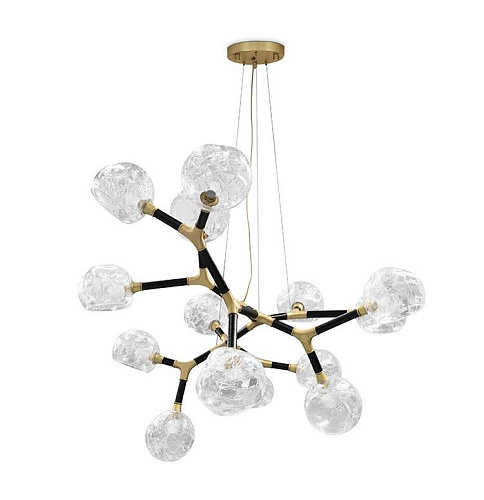
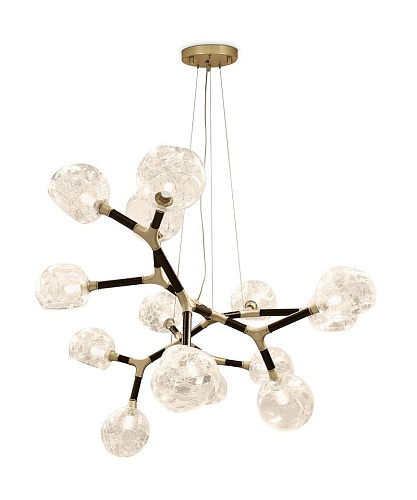
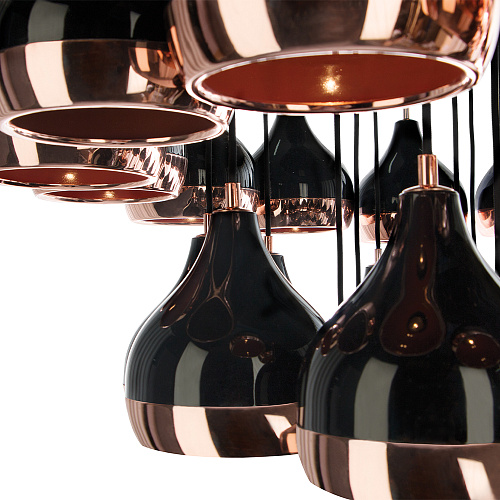
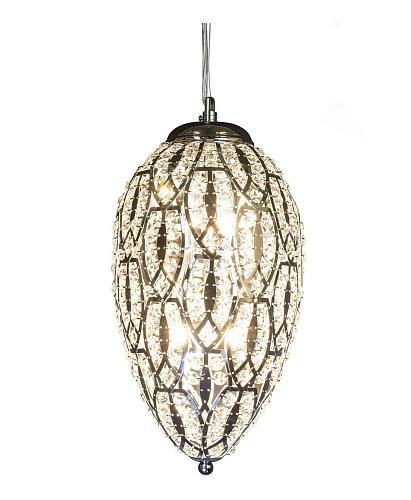
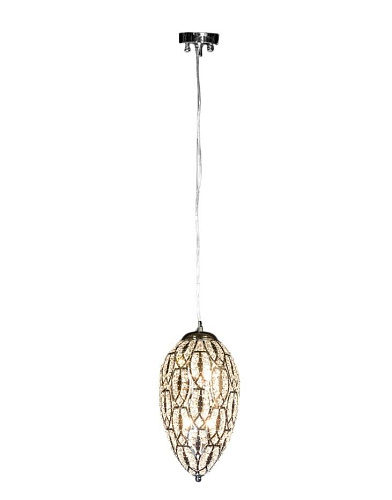
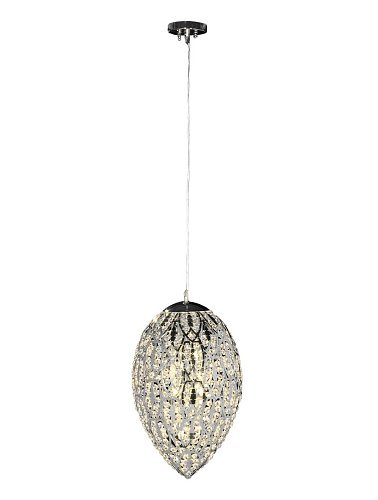
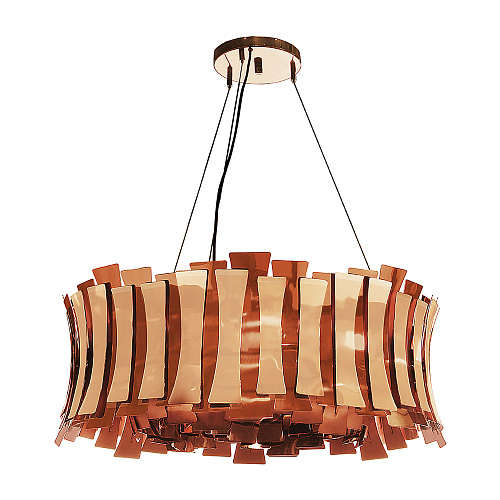
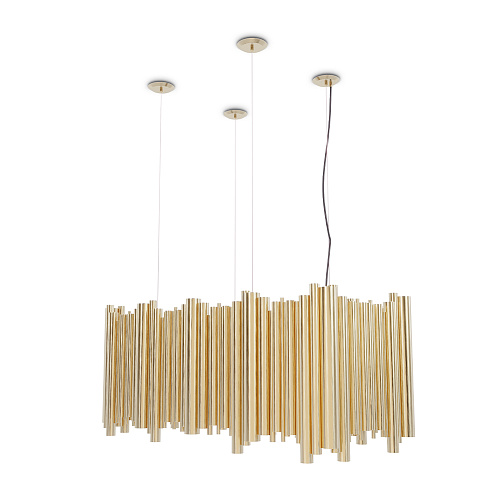
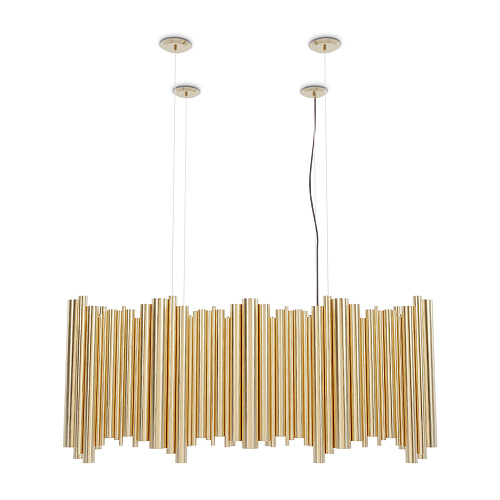
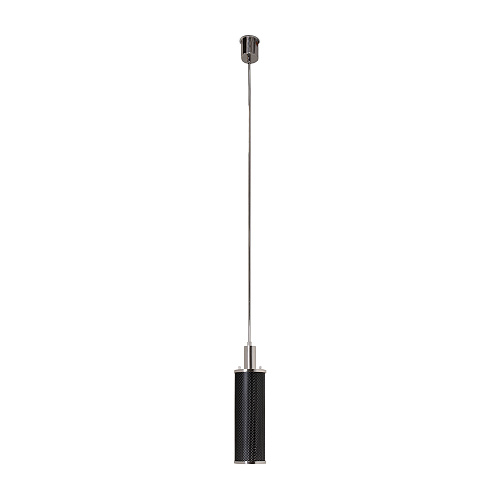
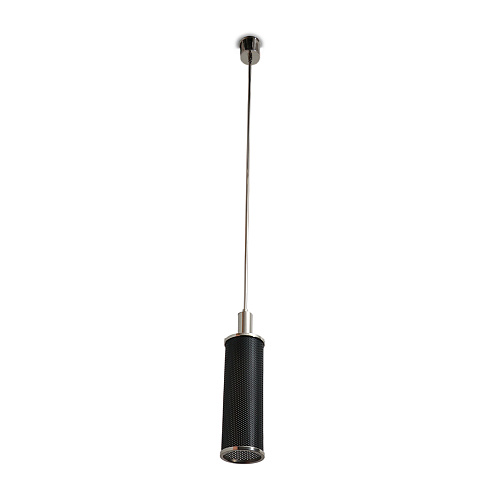
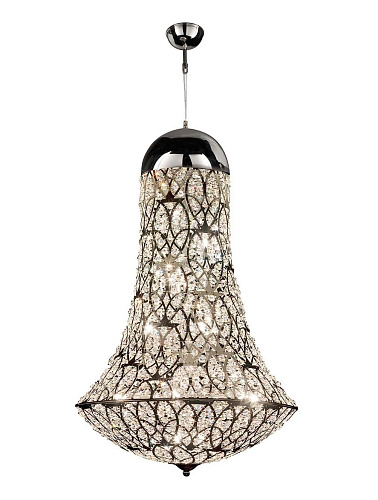
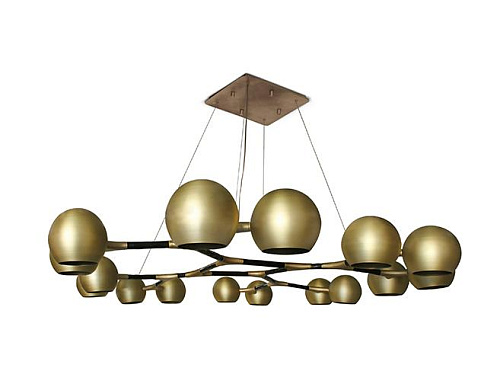
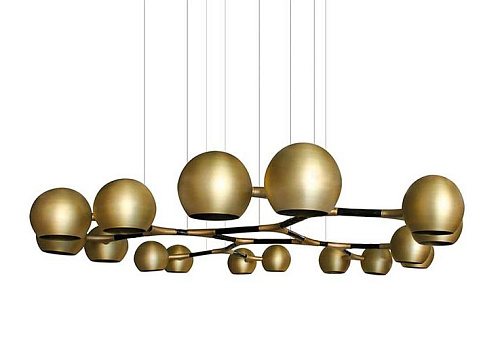
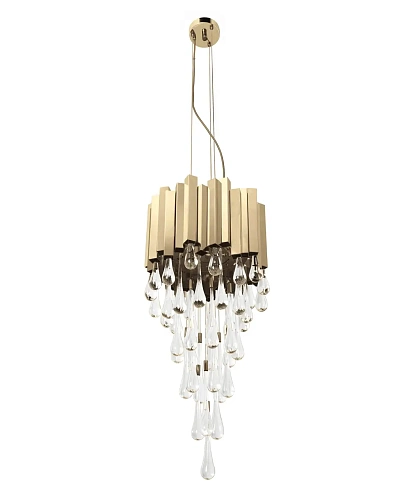
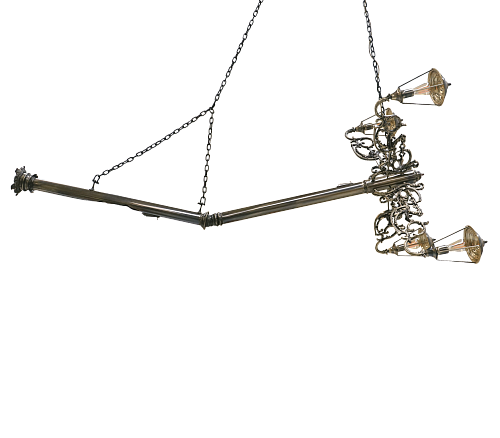
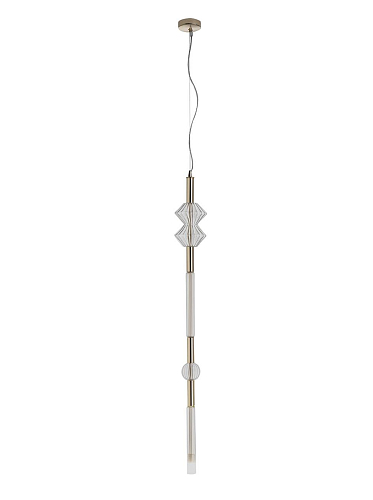
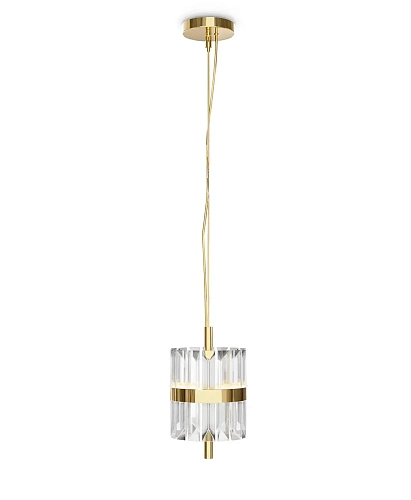
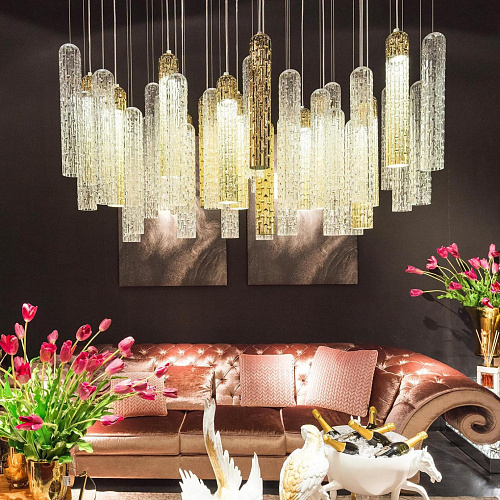
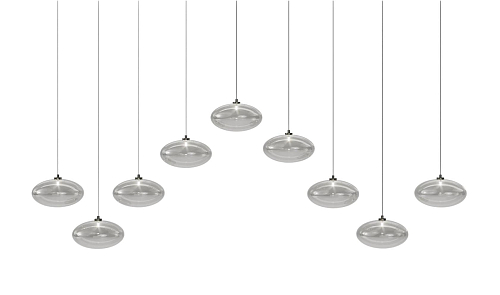
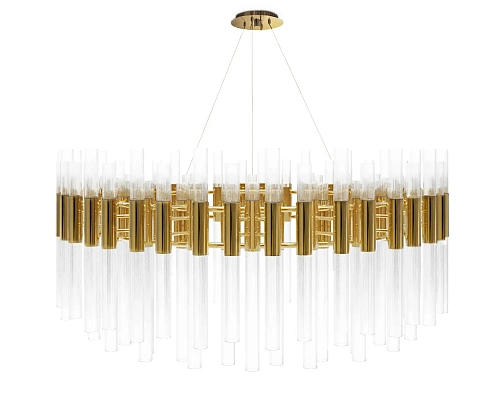
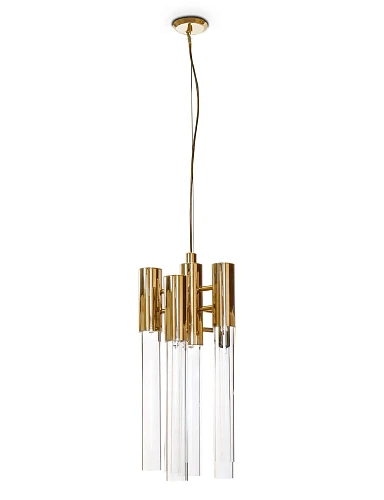
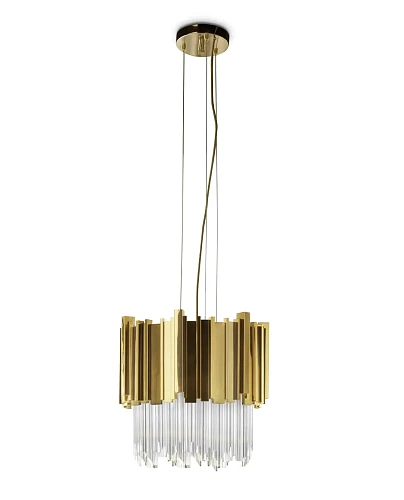
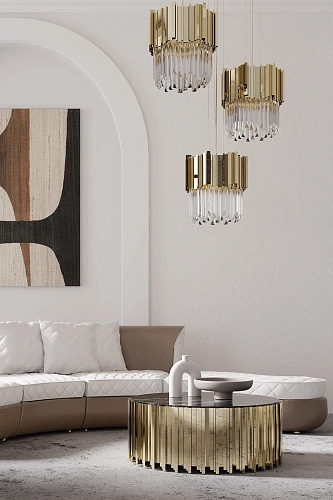
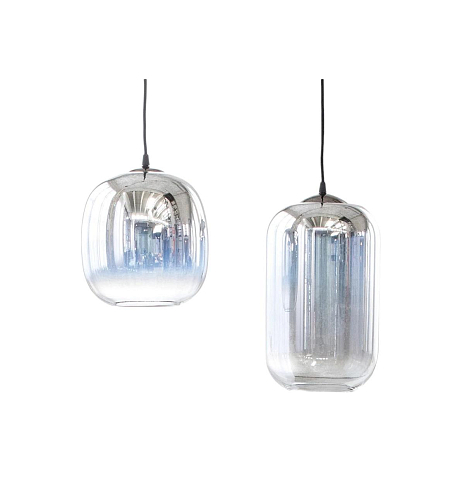
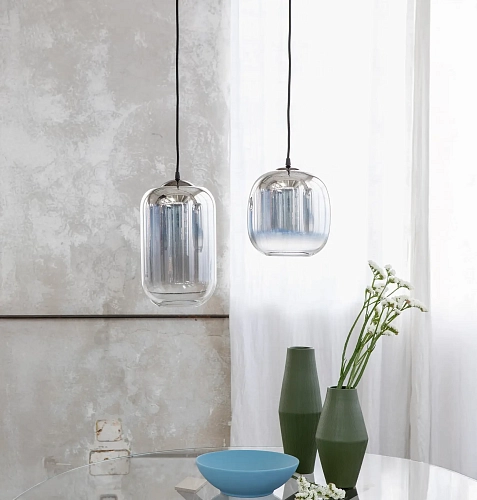
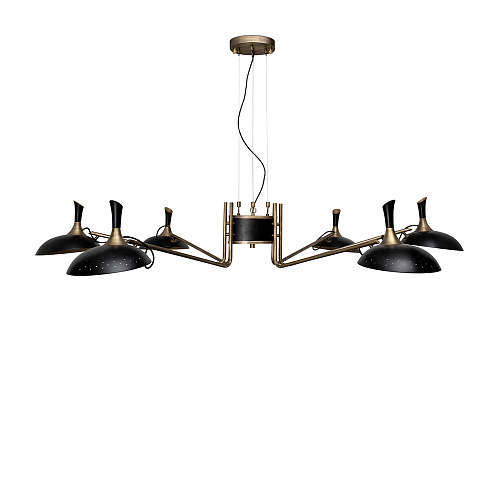
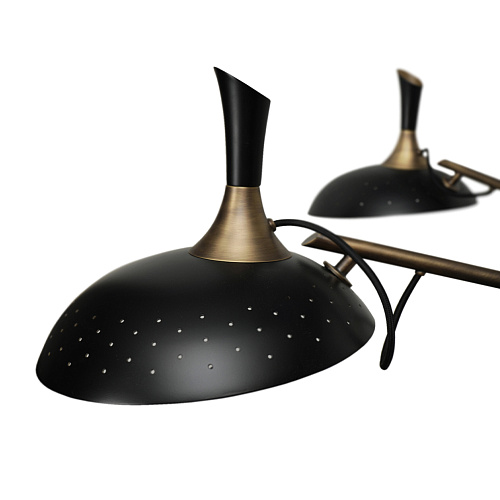
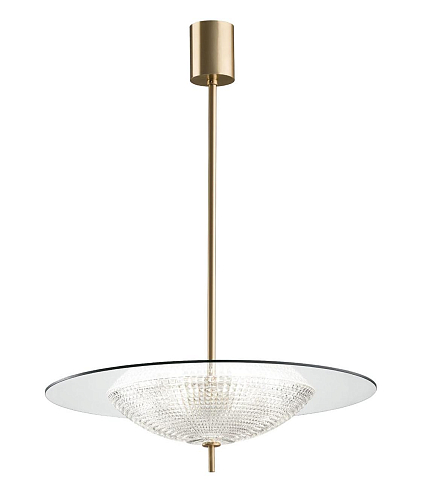
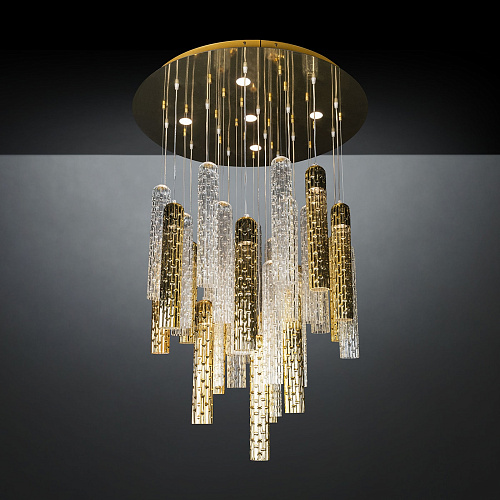
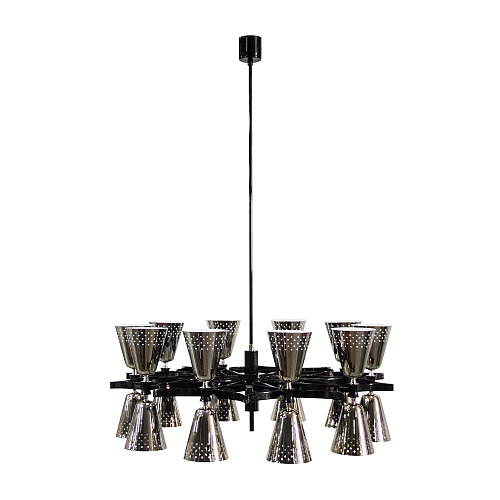
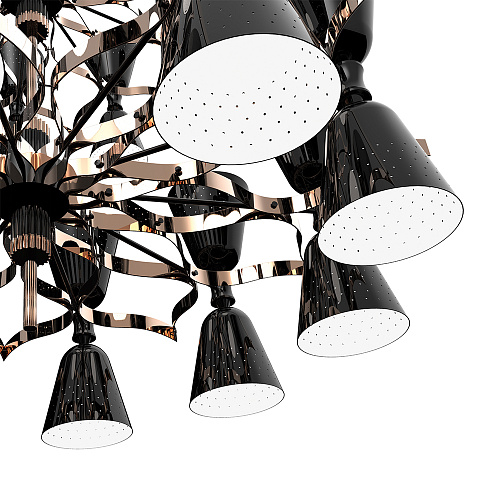
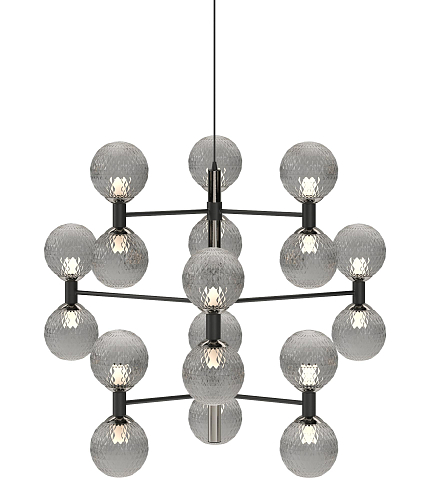
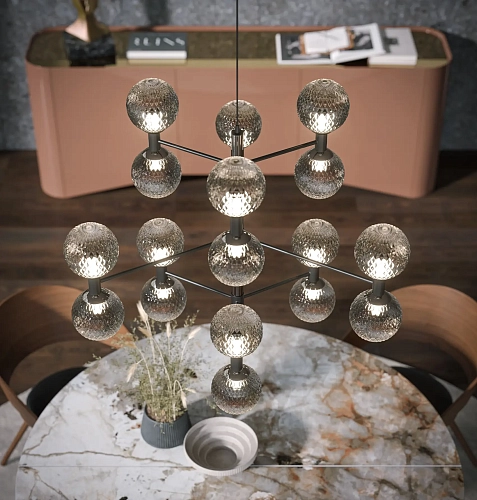
The range of pendants lights in our collection spans single sculptural statements, grouped kitchen island configurations, long linear pieces for dining tables, and compact bedside pendants on adjustable cords. Blown glass in clear, opal, smoked, and tinted finishes; aged and polished brass; matte ceramics; woven rattan; powder-coated steel — each material produces a different quality of light and a different visual weight in the room. A smoked glass globe over a dining table does something entirely different to a dome of polished brass over the same surface, even at identical wattage. The fixture is not just a light source; it is an object that occupies space, casts shadow, and reflects or absorbs the light around it throughout the day — not only when switched on.
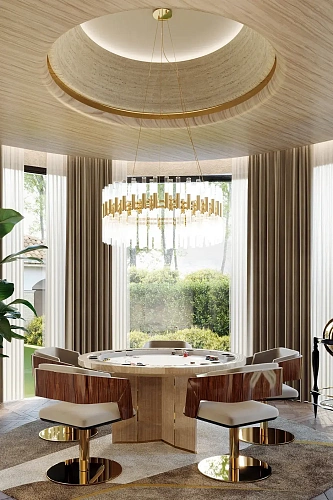
Scale and hang height are where most pendant installations go wrong. Over a dining table, the bottom of the fixture should sit 75–85 cm above the surface — low enough to focus light on the table, high enough that nobody is looking through it at the person seated opposite. Kitchen islands work better with two or three smaller pendants spaced evenly than with a single oversized piece that dominates the room from one position. Entrance halls and stairwells reward a longer drop where ceiling height allows; the cord or stem becomes part of the composition rather than just a means of suspension. Getting these numbers right before ordering matters considerably, which is why every piece in our collection is specified with full dimensions and adjustable drop length where the design permits.
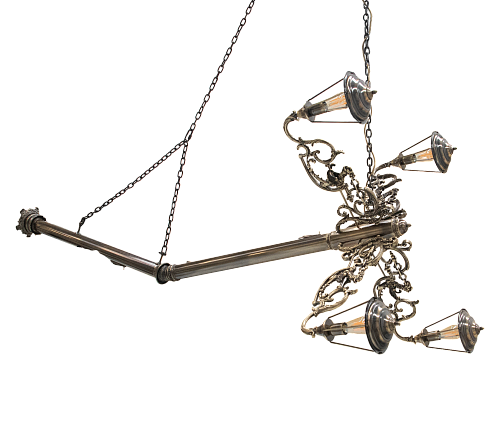
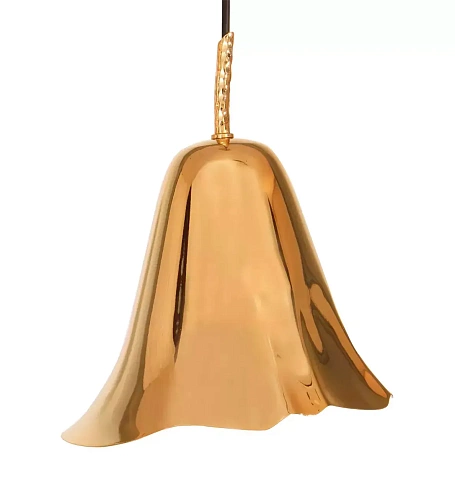
A dome or bowl directs pendant lighting downward, concentrating output onto the surface below — suited to task-adjacent positions over islands, tables, and reading nooks. A globe or sphere diffuses in all directions, producing soft ambient coverage better suited to living rooms and bedrooms where directionality is less important than atmosphere. Open-frame and cage designs expose the source directly; they work in spaces where the bulb itself contributes to the aesthetic, but they demand a decorative filament lamp rather than a standard bulb, since the source is fully visible. Bell and cone shades split the difference — directing the majority of light downward while allowing some upward wash onto the ceiling, which softens the contrast between the lit surface below and the darker ceiling above. Understanding what a shape does with light is more useful than filtering by style label alone, and it explains why the same room can look entirely different under two fixtures of similar size and price.
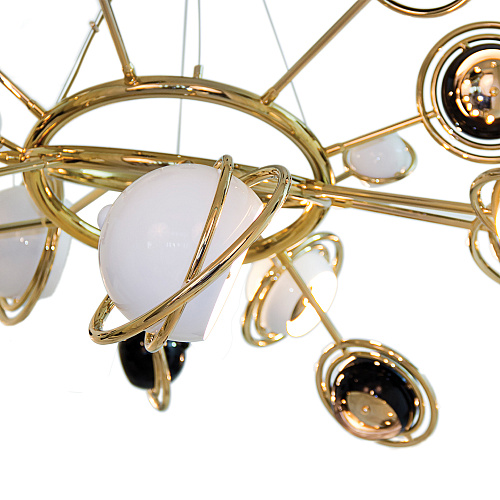
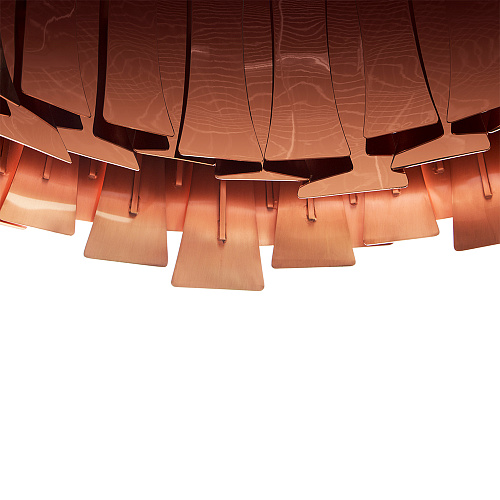
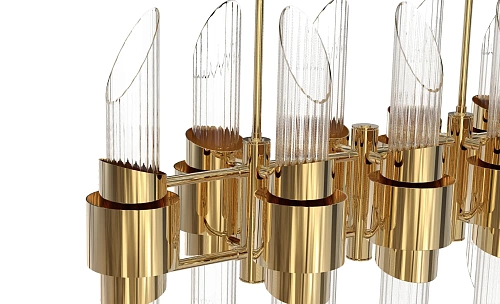
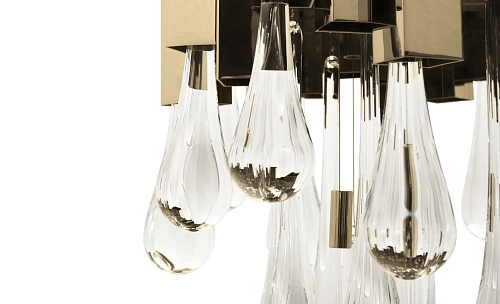
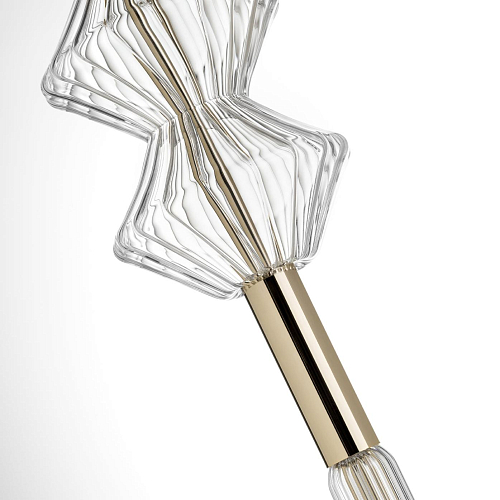
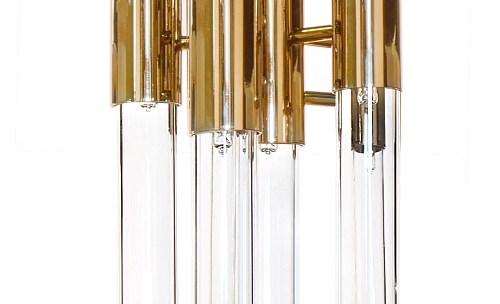
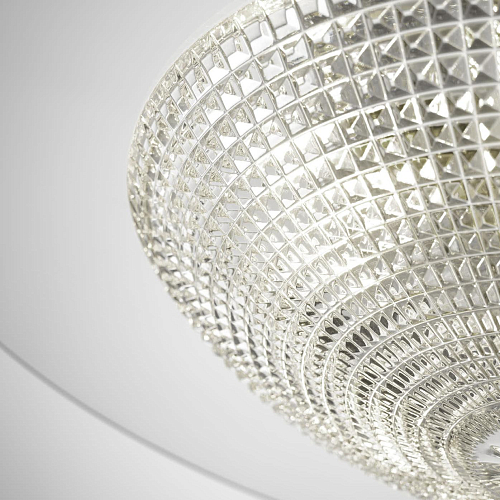
Material interacts with light output in ways that product photography rarely conveys accurately. Opal glass softens and diffuses, eliminating the visible hotspot of the bulb; clear glass preserves it. Smoked and tinted glass shifts the colour temperature of the output — amber-tinted pieces add warmth, grey-smoked ones cool it slightly. Brass reflects warmly onto surrounding surfaces; matte black absorbs and keeps the fixture visually recessive. These distinctions matter most in rooms where the pendant is the primary light source and its output sets the character of the entire space after dark.
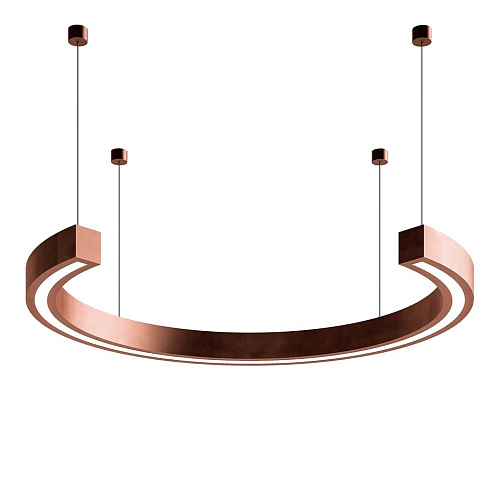
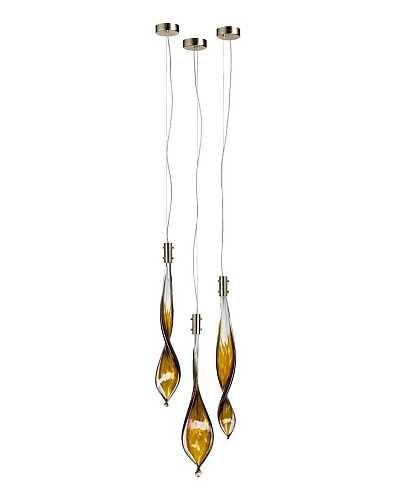
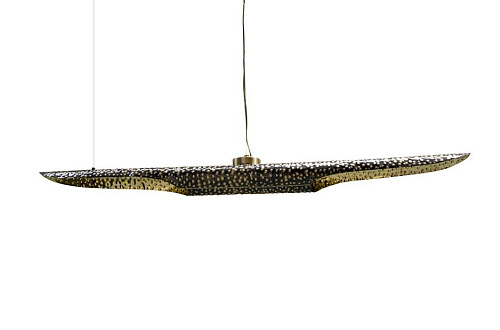
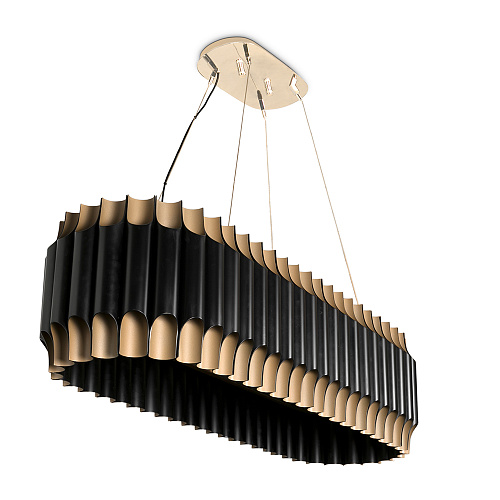
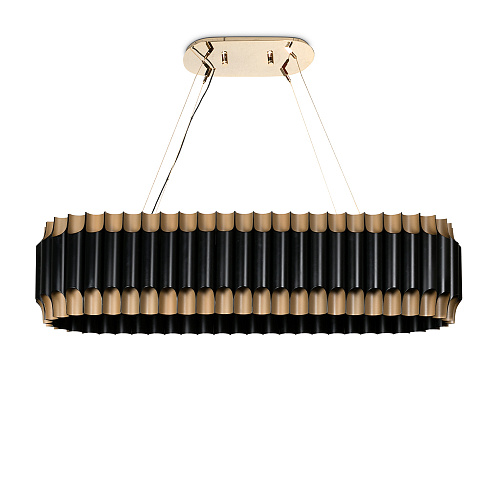
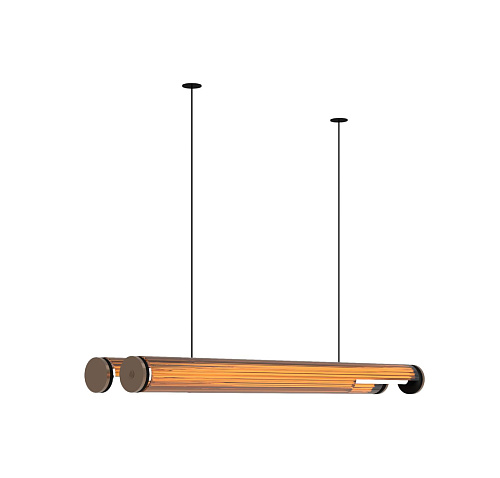
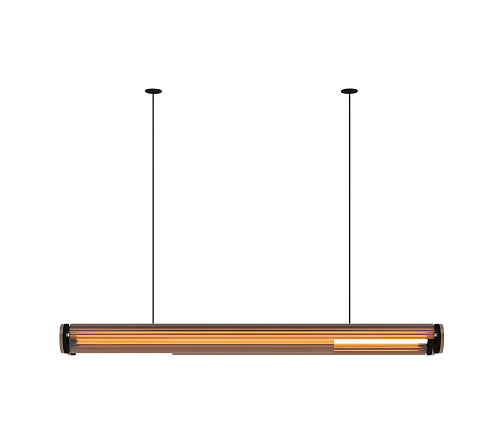
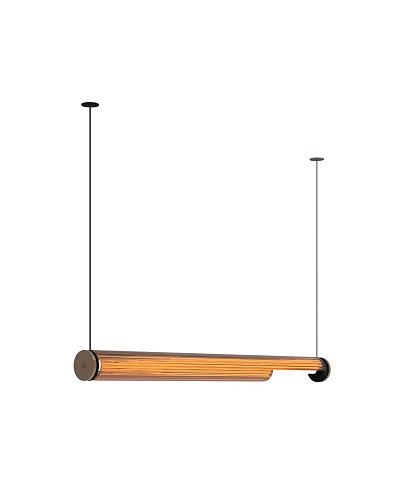
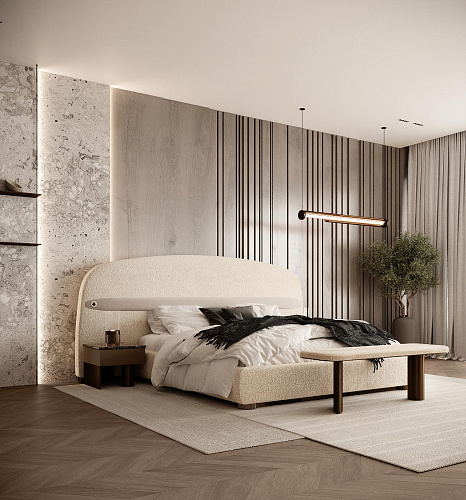
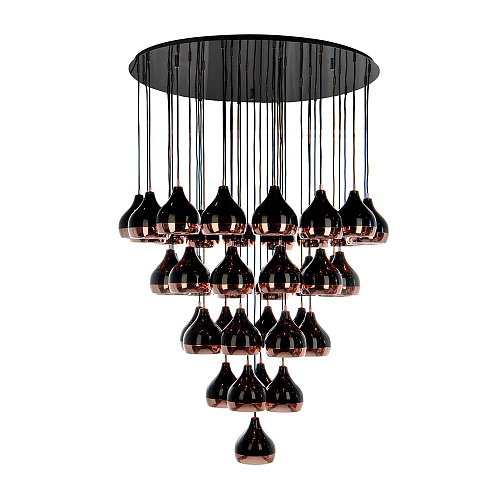
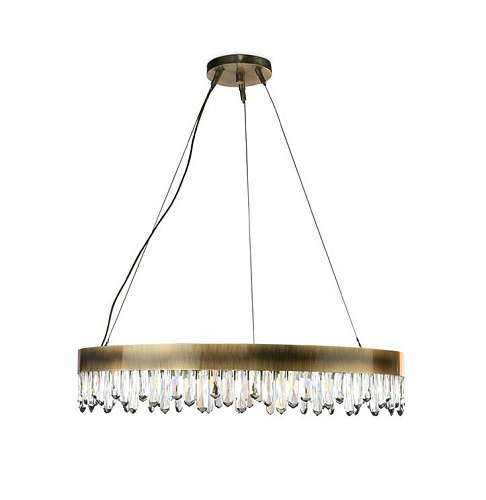
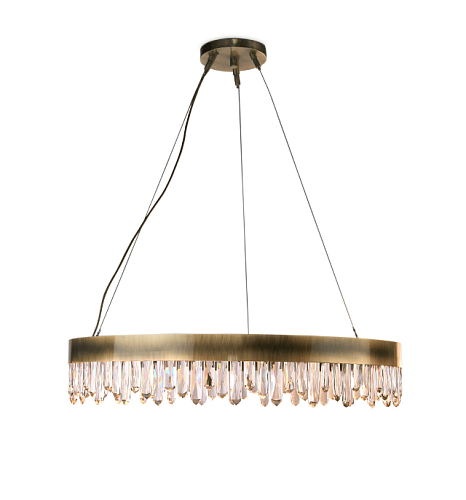
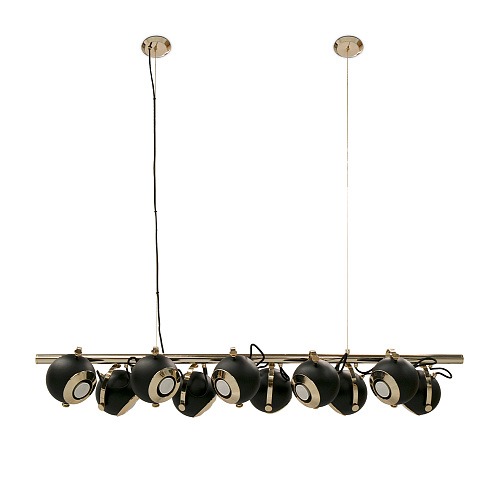
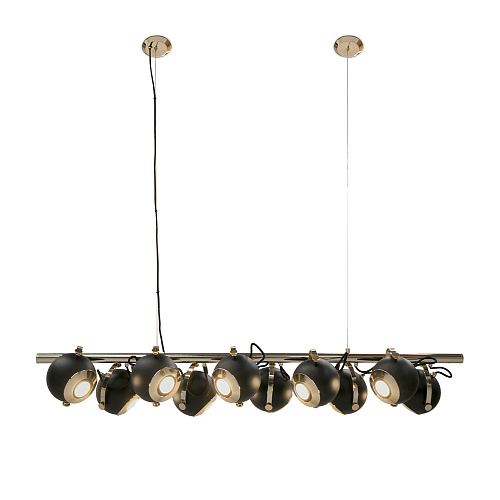
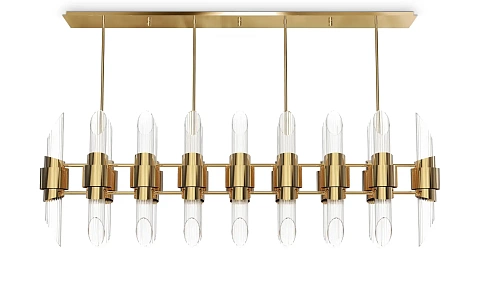
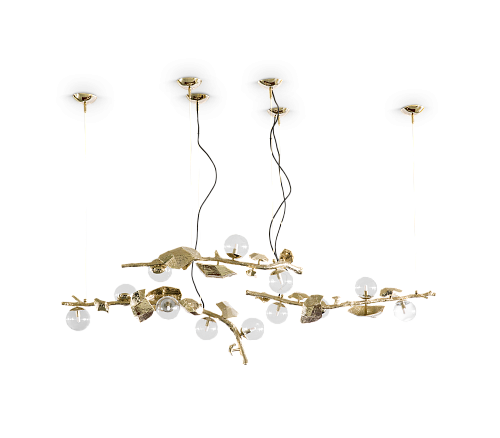
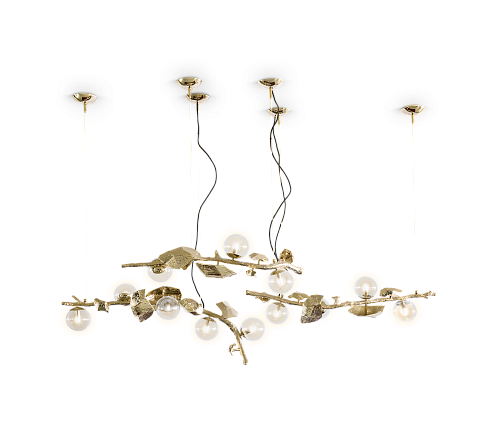
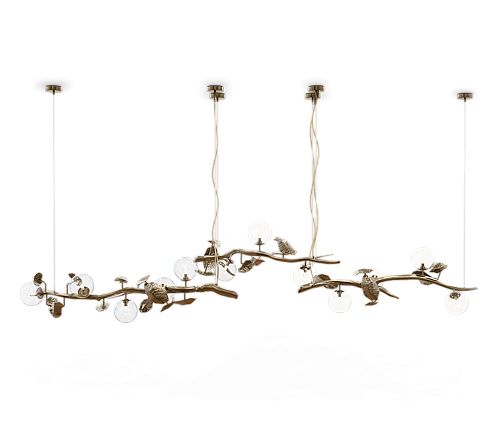
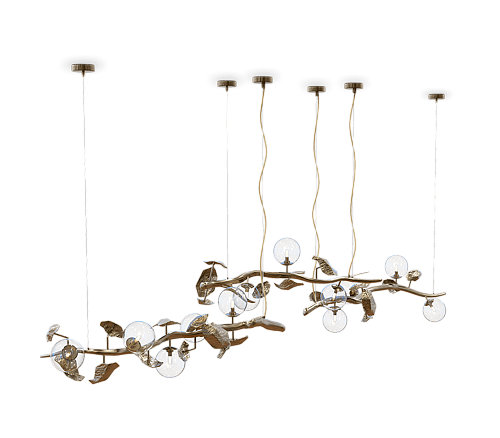
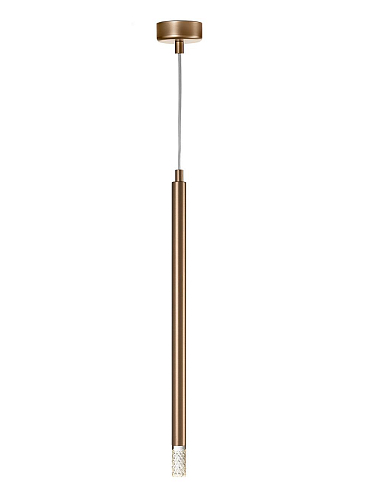
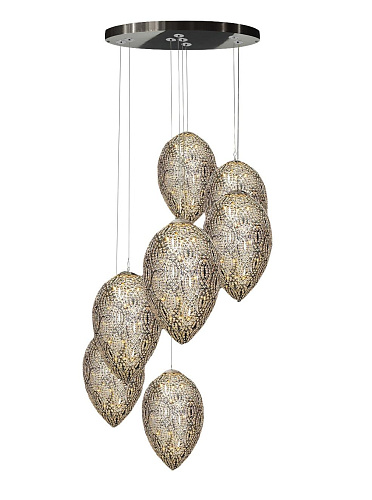
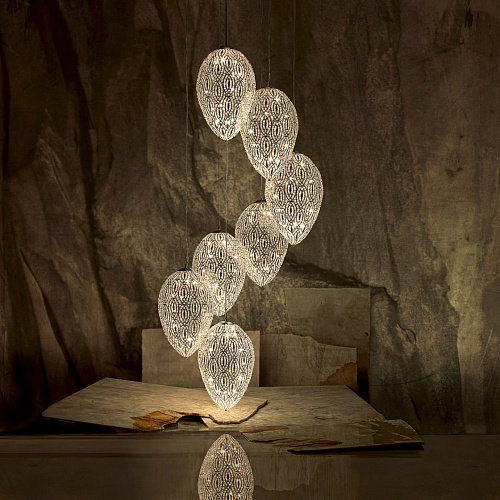
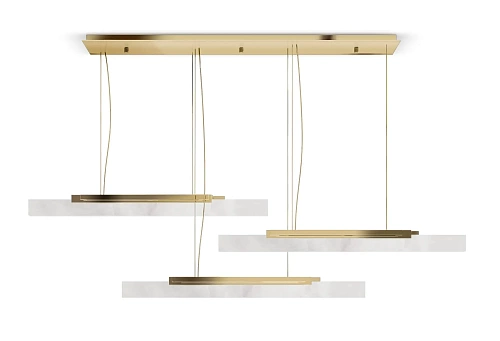
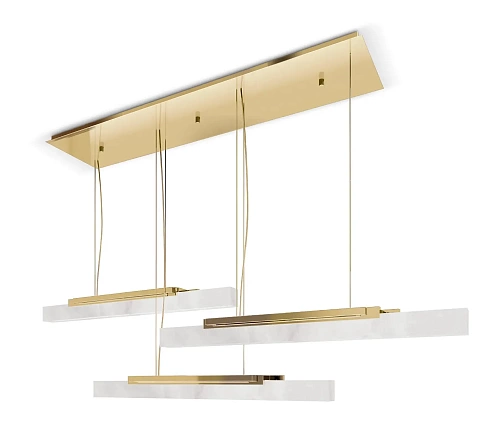
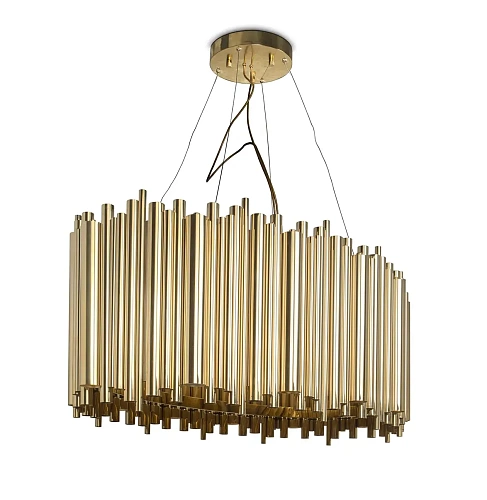
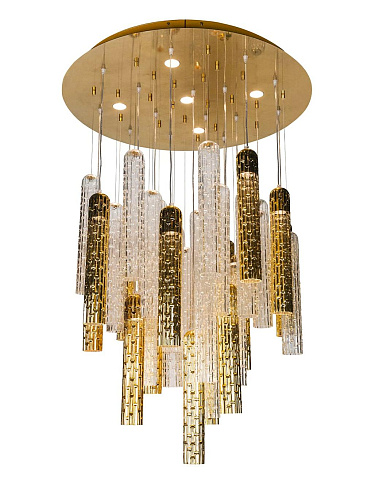
Lights and pendants used in multiples follow different rules to single installations. Three pendants hung in a row over a kitchen island should be spaced at roughly equal intervals with the outer fixtures sitting above the ends of the island rather than beyond them — extending past the counter breaks the visual connection between fixture and surface. Linear pendants, designed as a single elongated piece rather than individual fixtures in a row, solve this more elegantly for longer surfaces and suit dining rooms where a single continuous form reads better than a cluster. For double-height spaces and open-plan layouts, oversized pendants in groups of two or three at staggered heights introduce vertical rhythm without requiring the architectural commitment of a chandelier installation.
Our collection of ceiling and pendant lights is sourced from European manufacturers and independent design studios whose production quality is consistent with the rest of our lighting offer. The range covers both ready-to-ship pieces and made-to-order formats with customisation options — cord length, finish, shade material — relevant when the room's existing hardware palette is already established and the fixture needs to integrate rather than contrast. Full specifications are provided for every piece: dimensions, maximum drop, bulb type and wattage, finish variants, and IP ratings where applicable. For rooms where a considered designer pendant lights installation needs to carry the entire lighting scheme, our collection offers the depth to make that possible at a consistent level of quality throughout.