Shopping Basket
You have no items in your shopping basket.


Wishlist
Your wishlist is currently empty
At the age of 14, Rino Greggio became an apprentice in a silversmith's workshop in Padua, a city 30 kilometres outside Venice, where he learned the fundamentals of a craft that would define the rest of his life. In 1948, just after the war, he sold his bicycle for 21 liras, bought his first kilo of silver, and founded what would become one of Europe's most recognised silverware houses. That origin story — modest, precise, driven by genuine skill rather than capital — still shapes how the company operates today. Every phase of the manufacturing process takes place exclusively in Italy, and the group remains entirely family-owned, now in its third generation. For a category where provenance is everything, that kind of continuity matters.
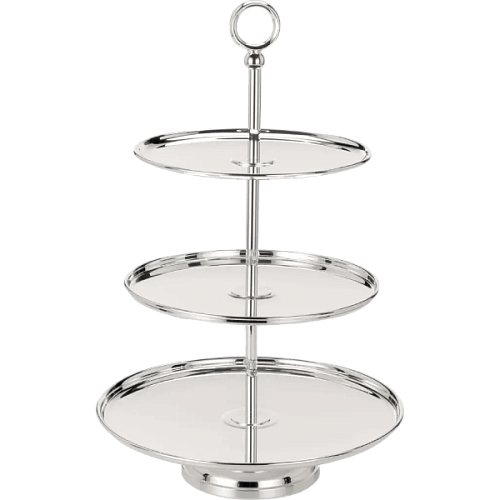
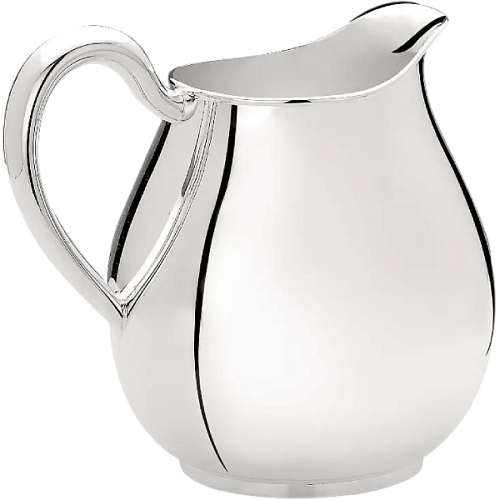
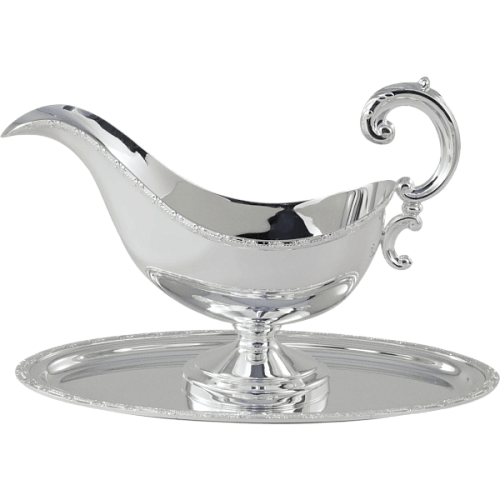
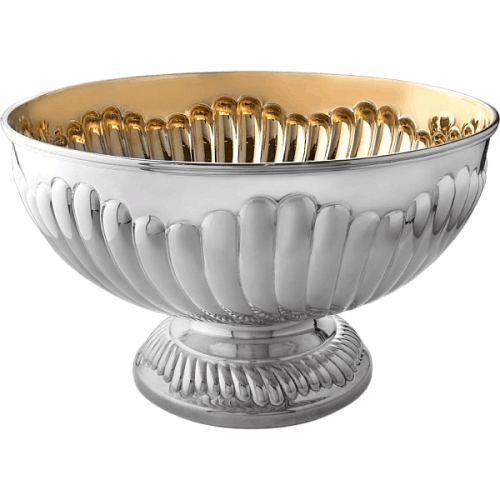
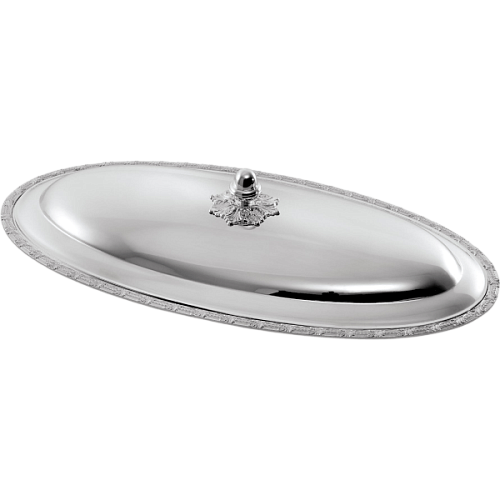
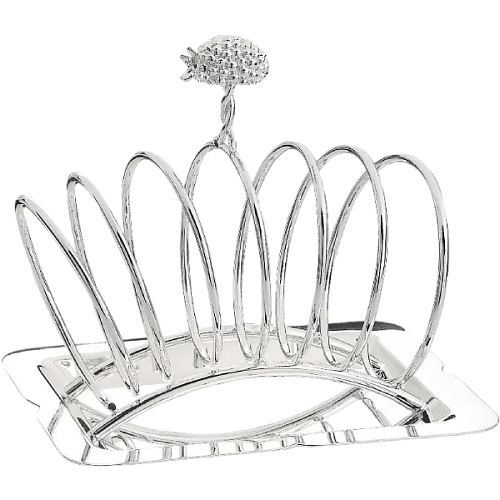
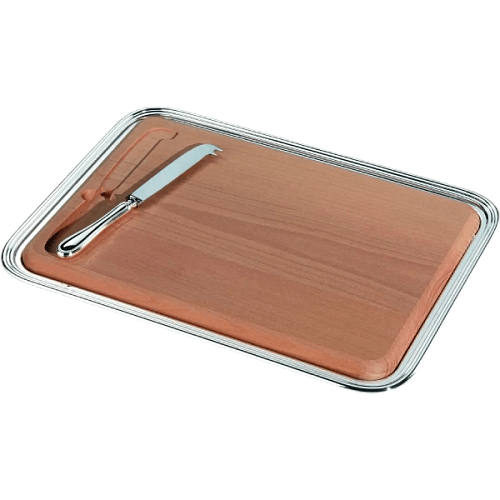
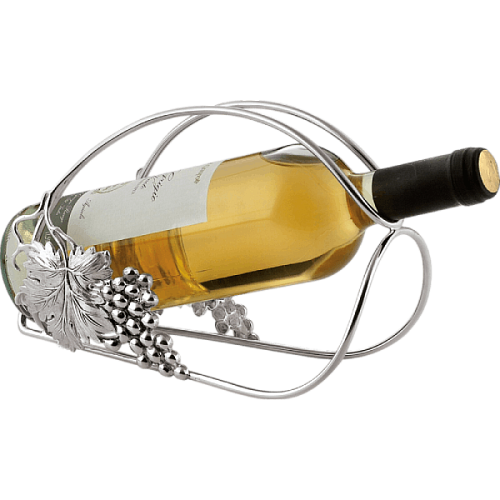
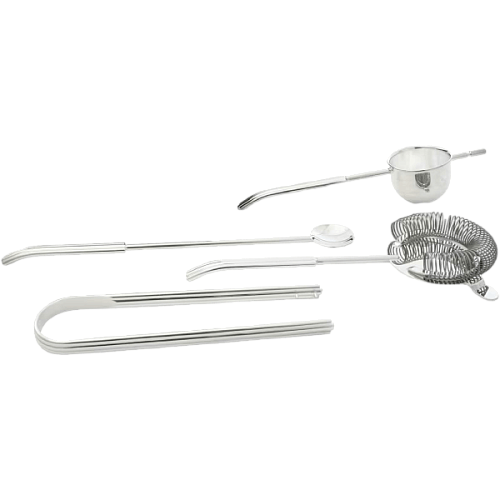
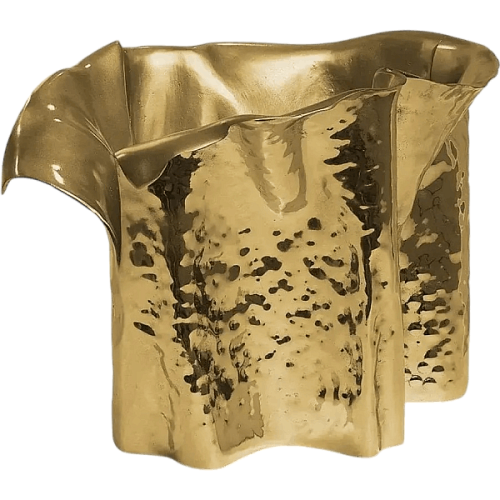
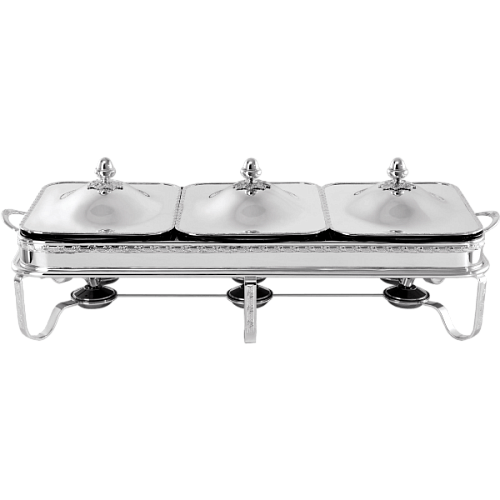
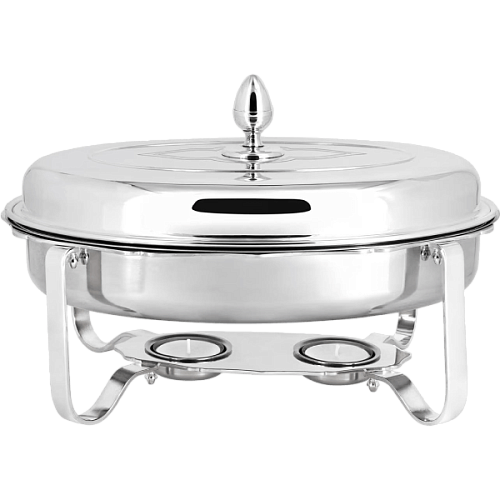
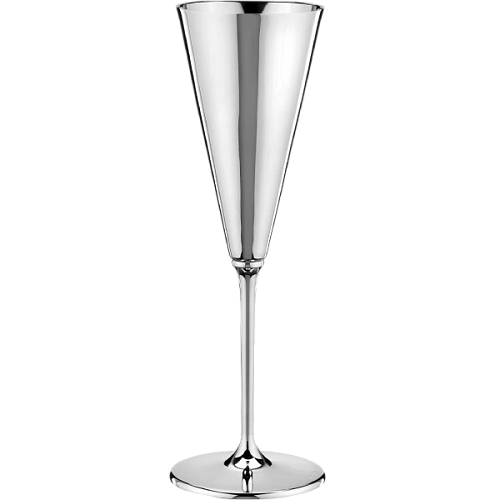
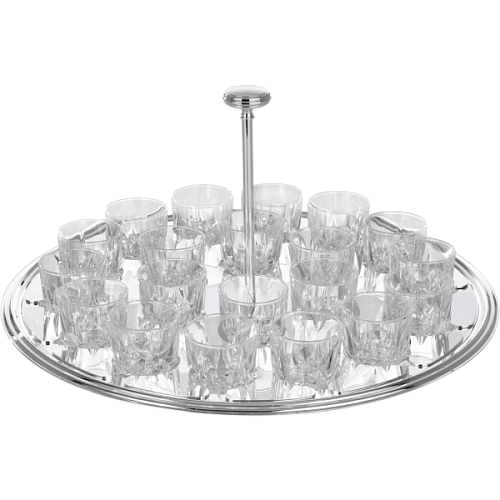
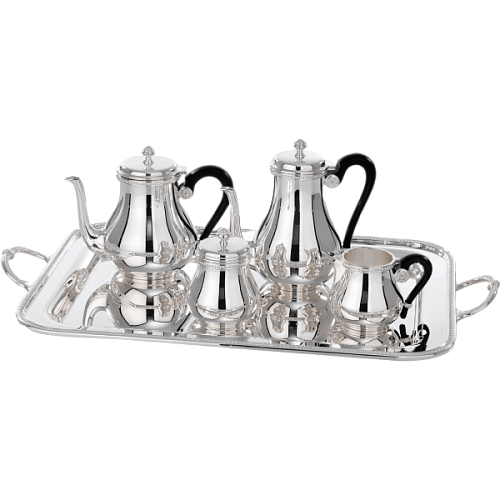
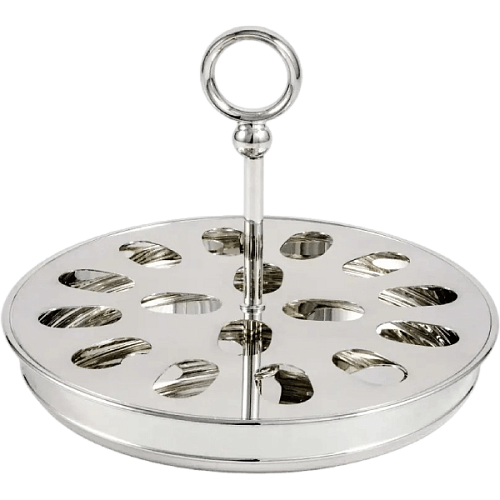
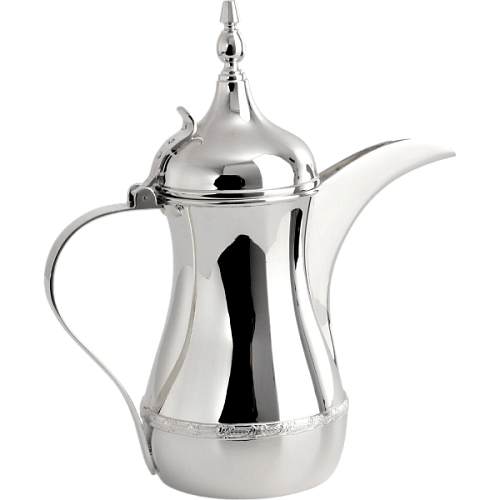
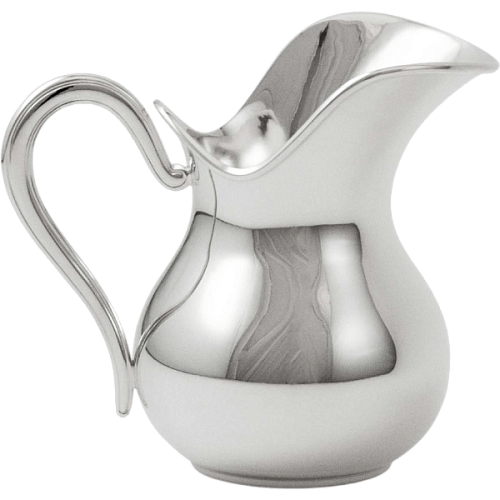
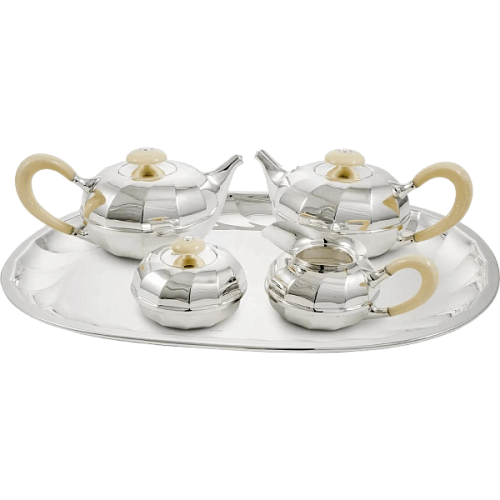
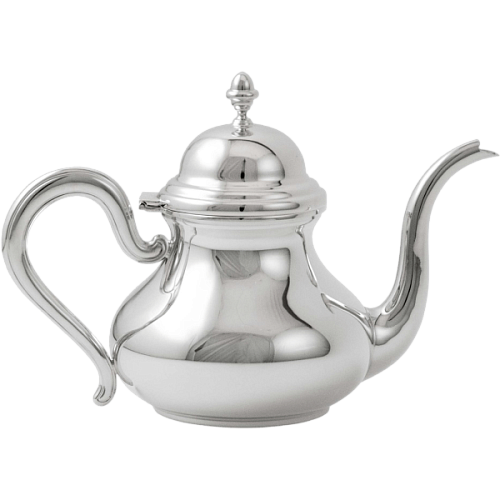
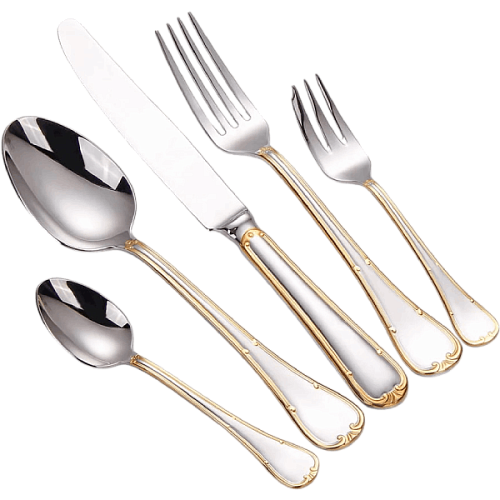
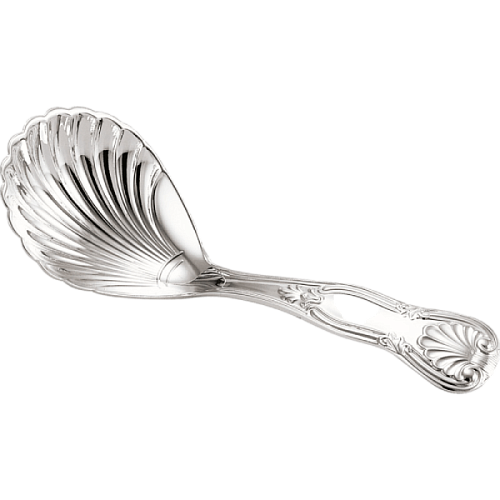
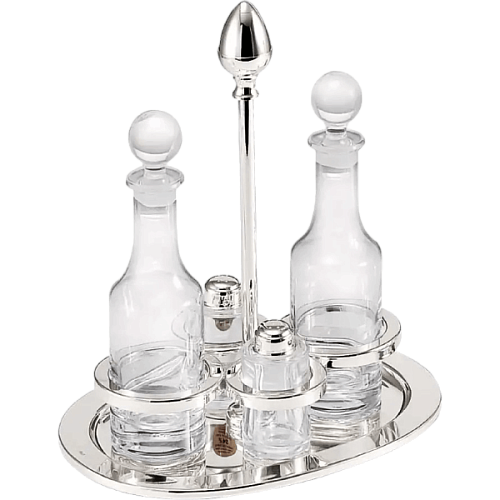
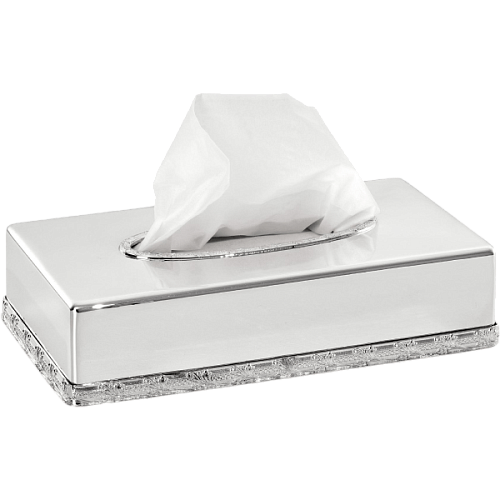
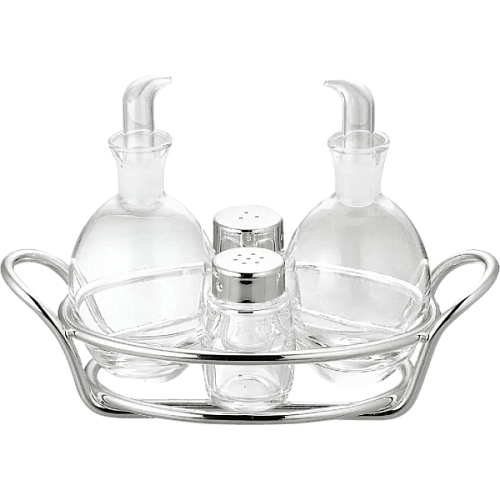
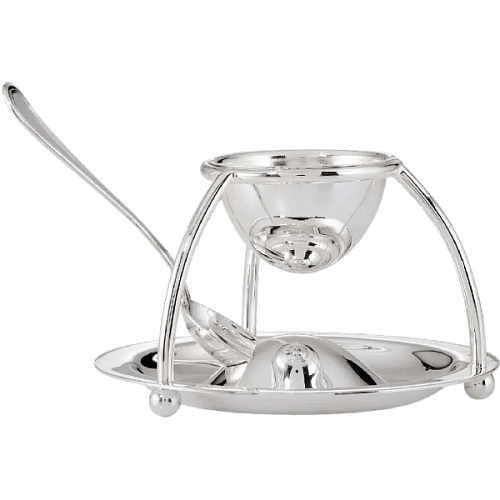
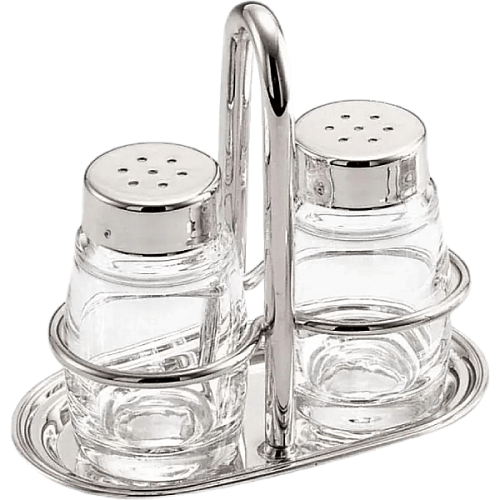
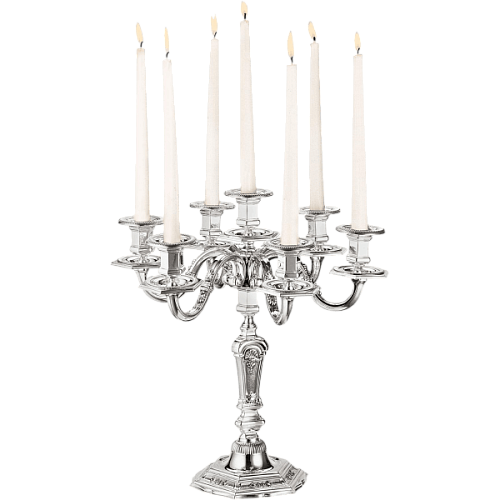
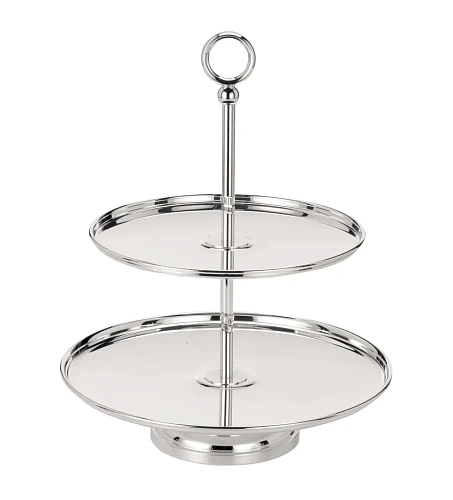
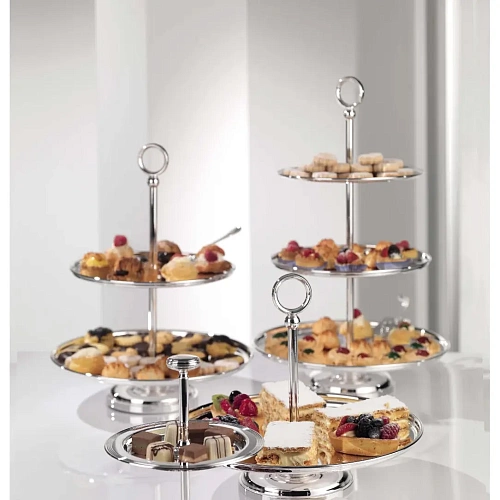
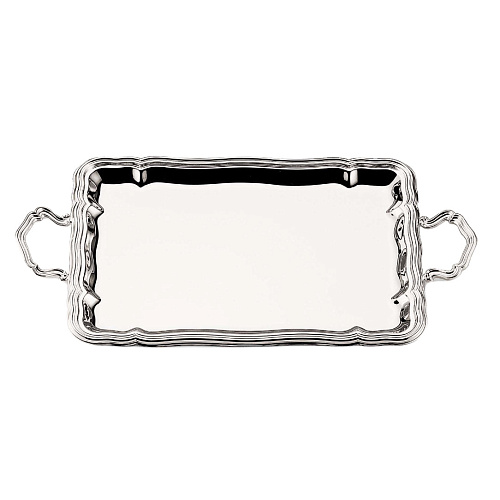
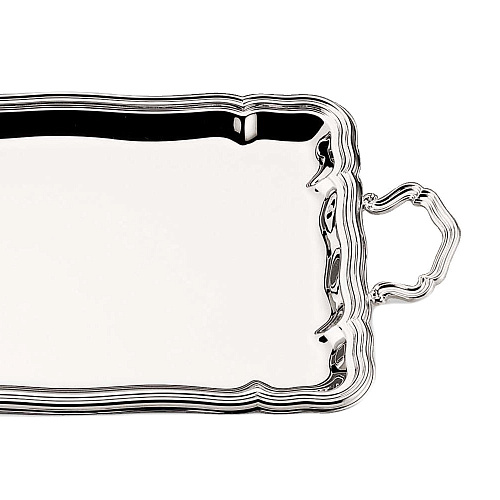
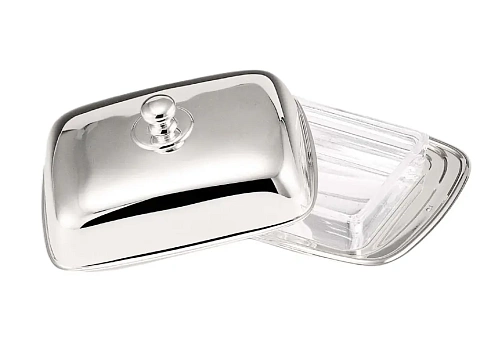
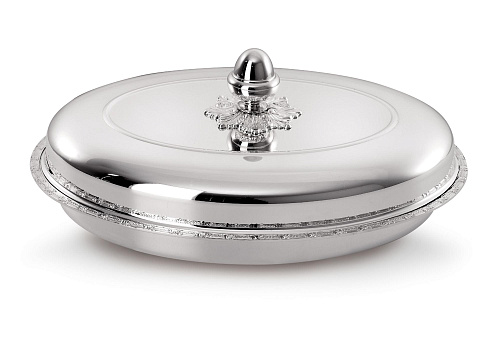
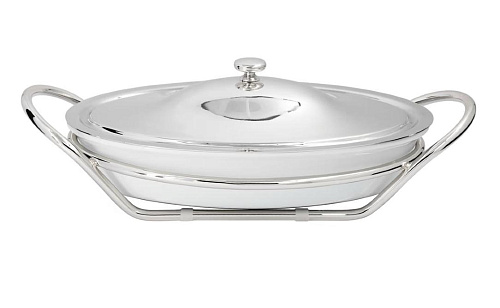
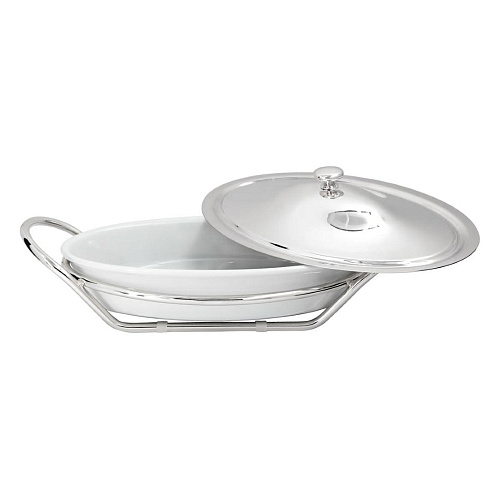
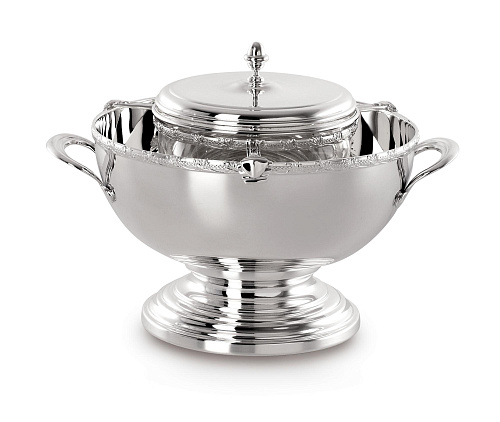
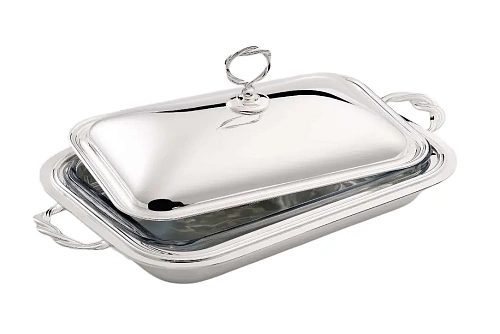
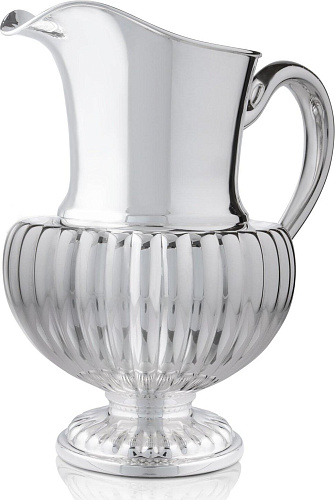
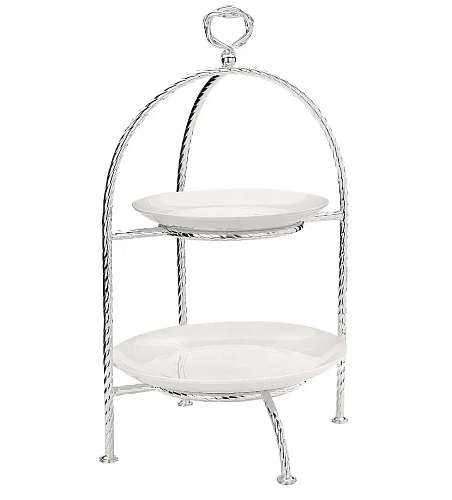
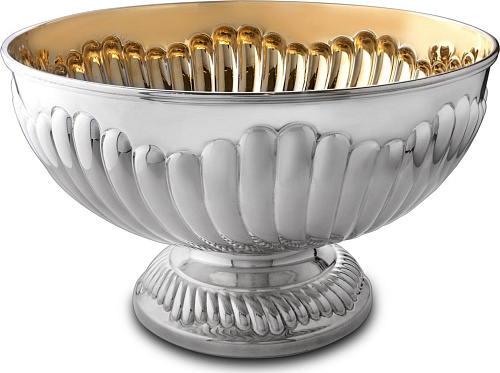
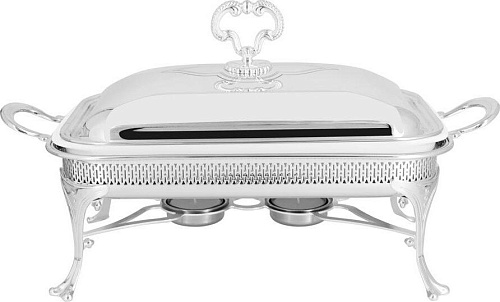
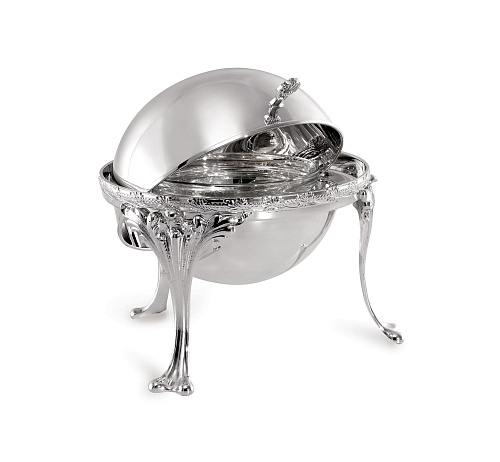
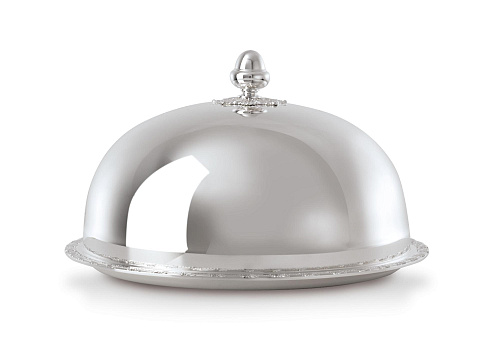
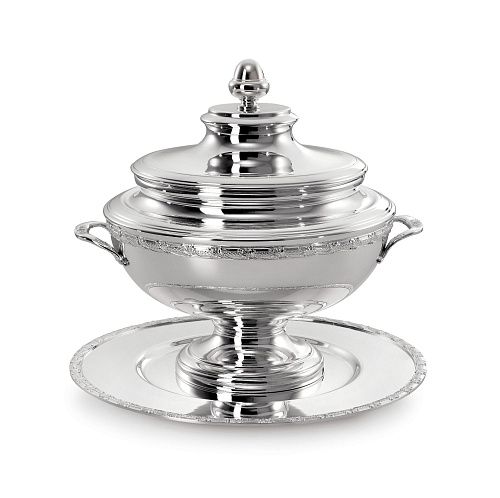
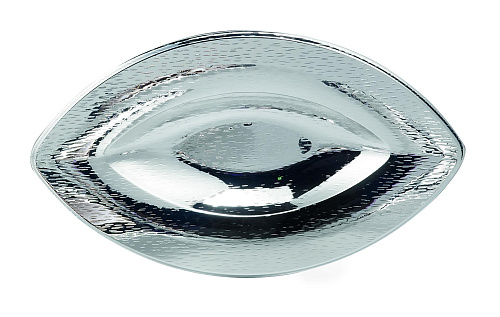
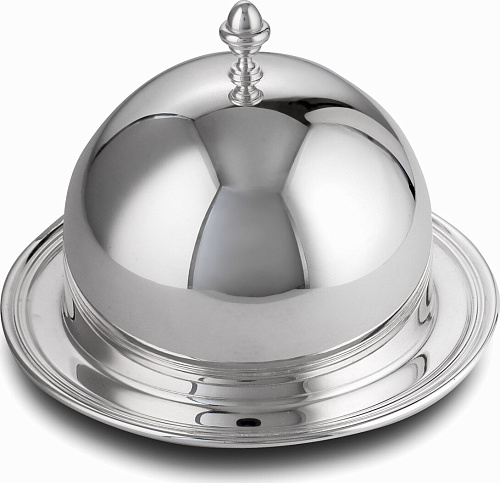
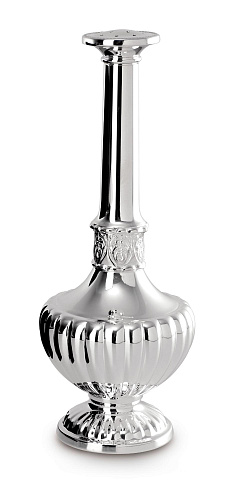
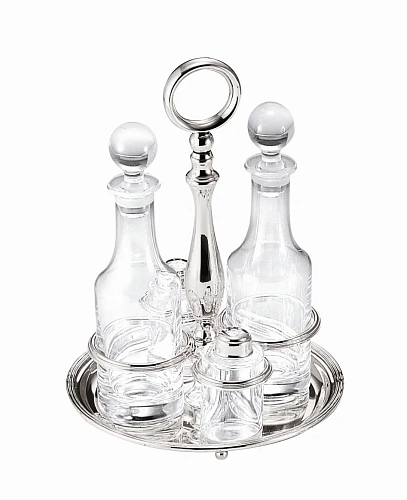
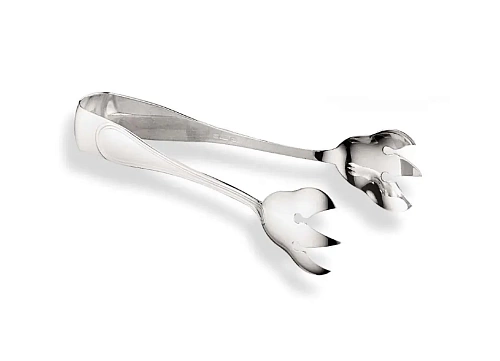
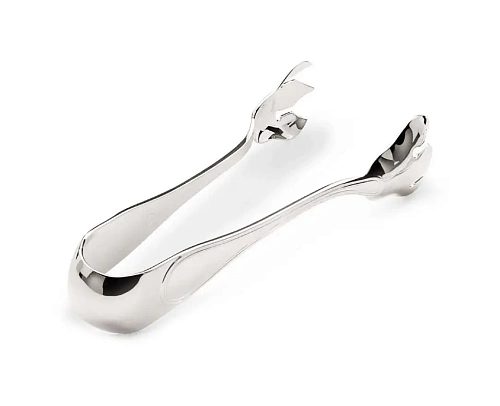
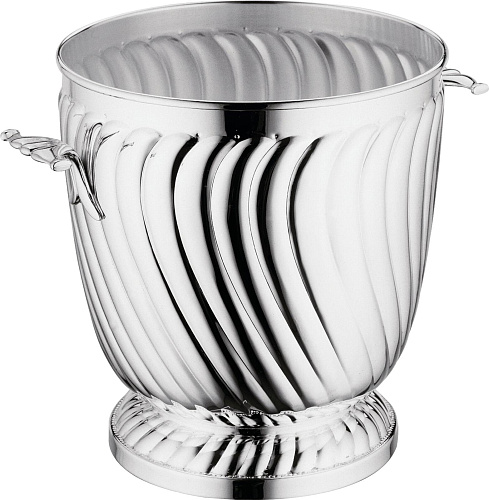
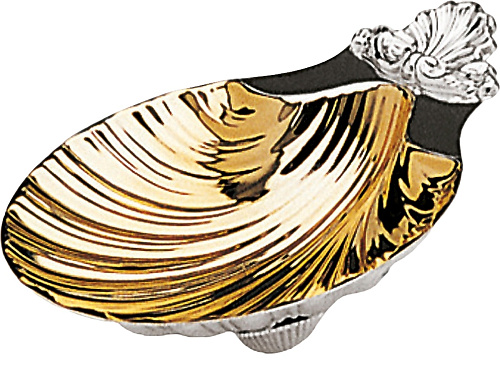
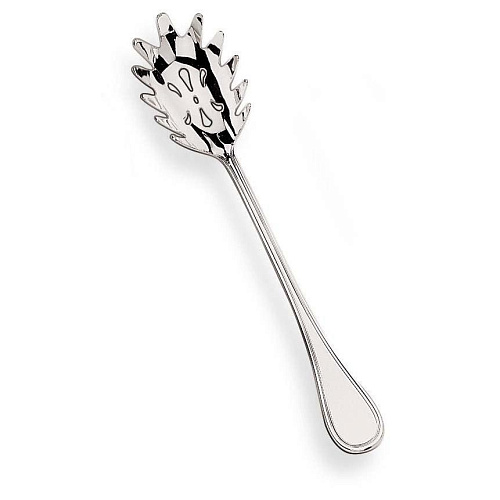
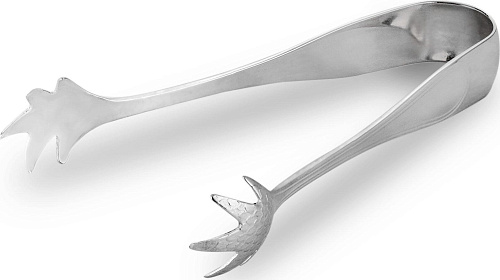
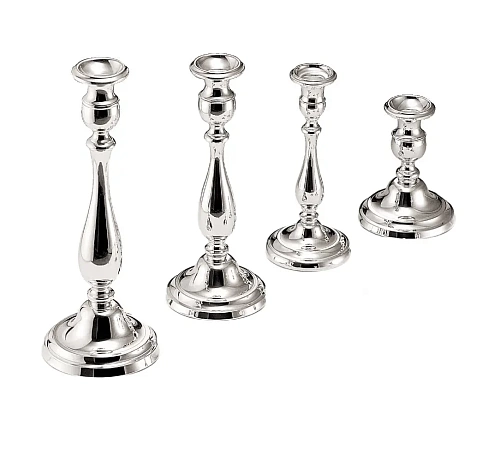
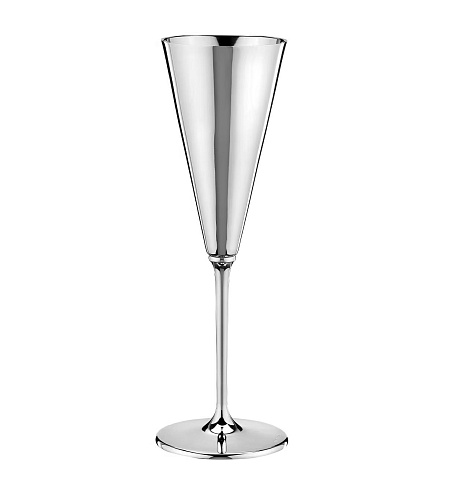
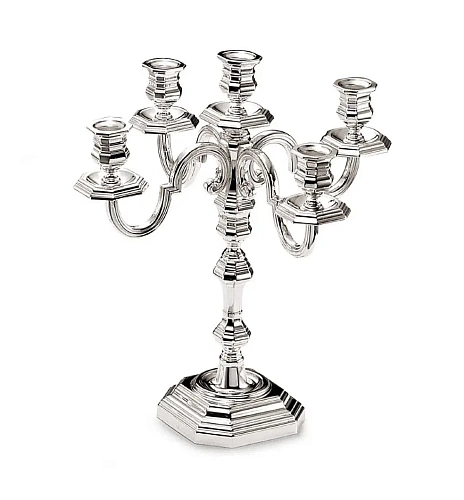
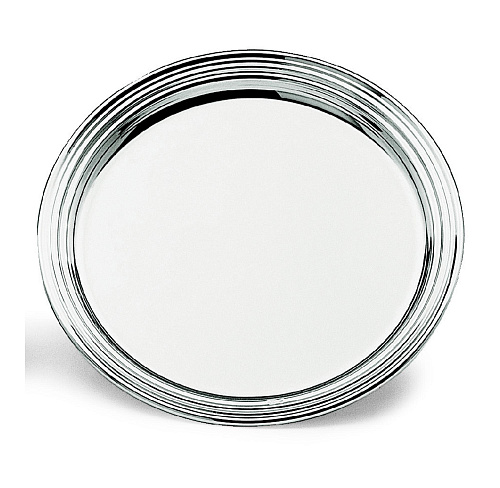
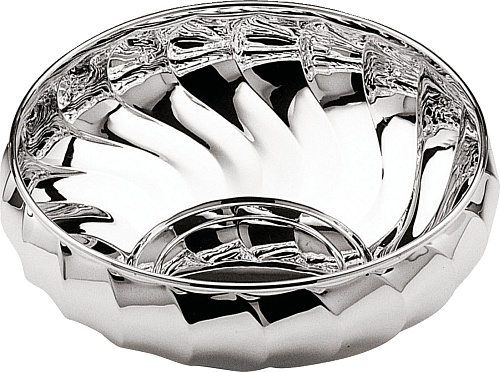
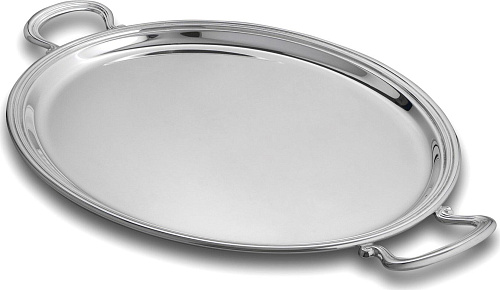
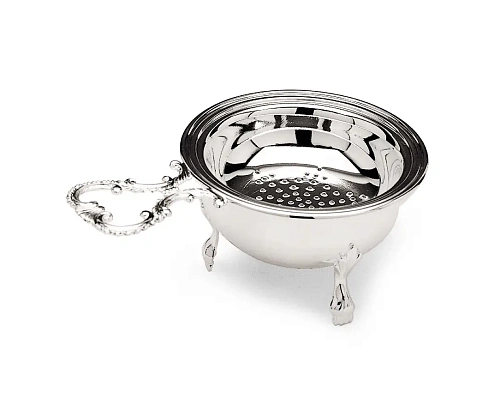
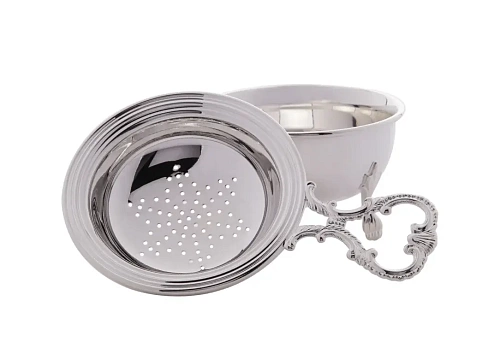
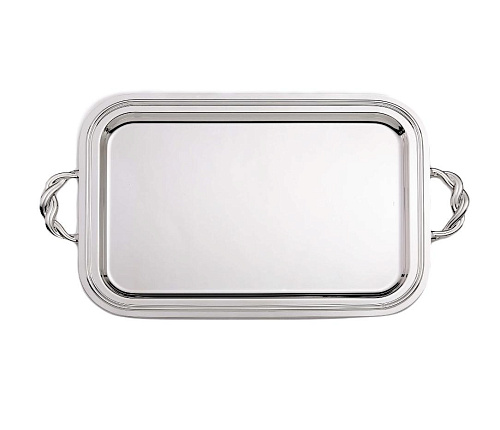
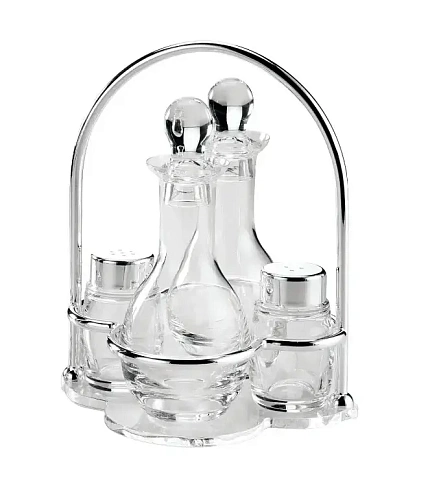
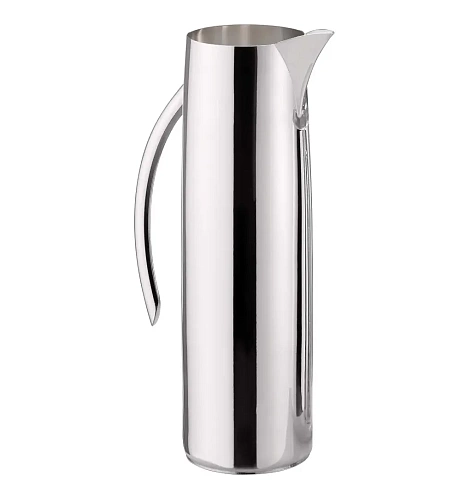
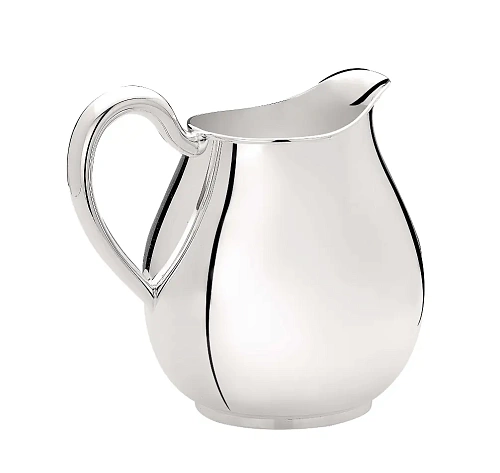
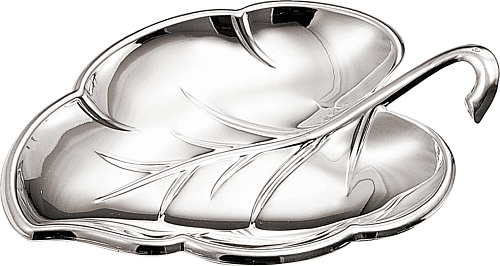
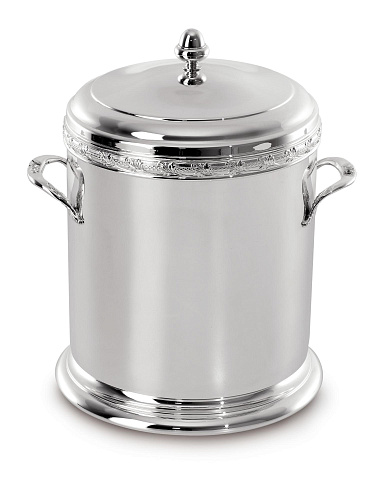
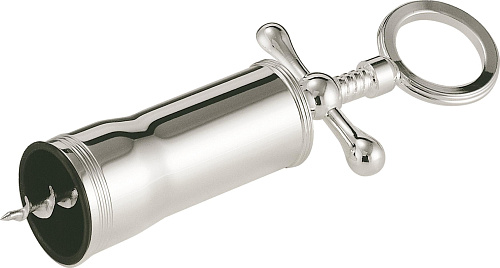
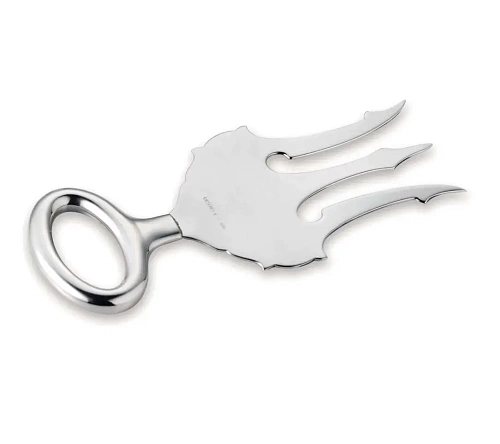
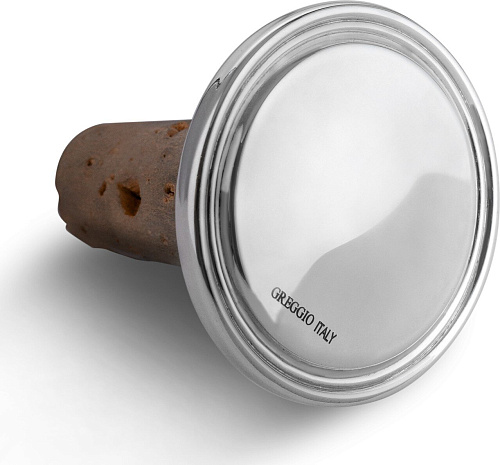
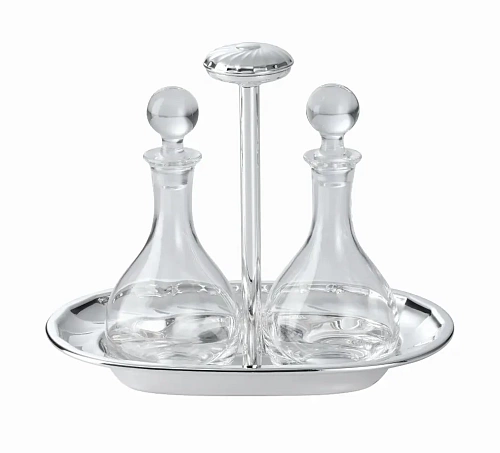
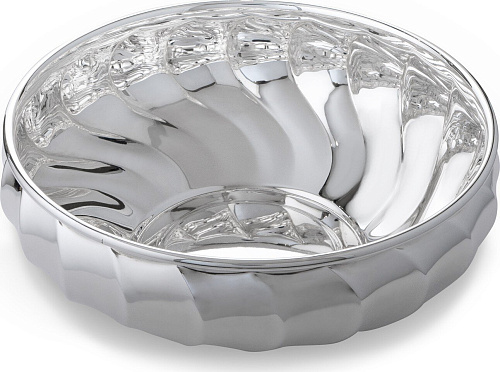
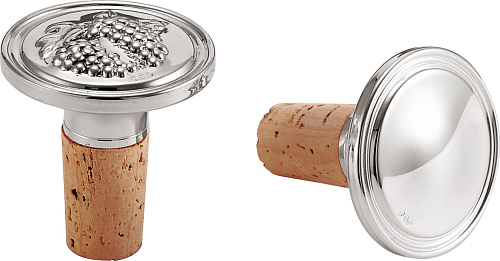
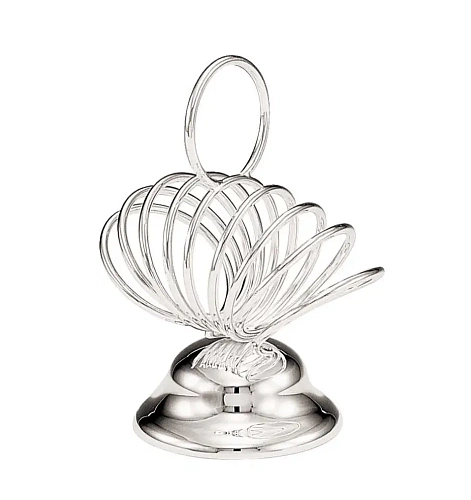
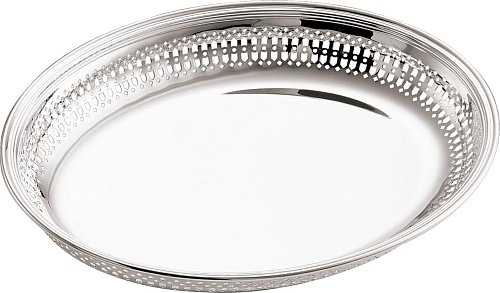
Greggio Italy silverware covers a wide range of silver and silver-plated objects for the table, the home, children, gifting, and the office. The core of the offer sits at the dining table, but the catalogue extends well beyond it. Items currently available through authorised retailers include:
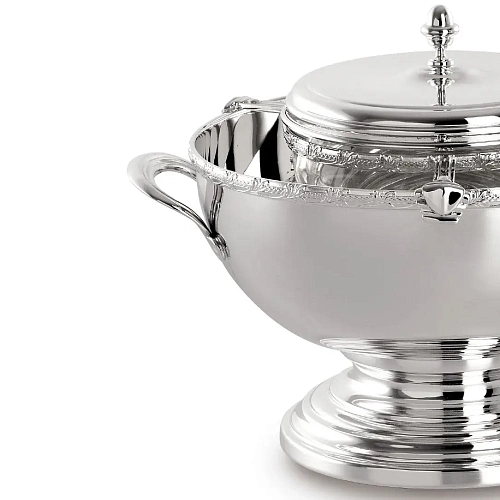
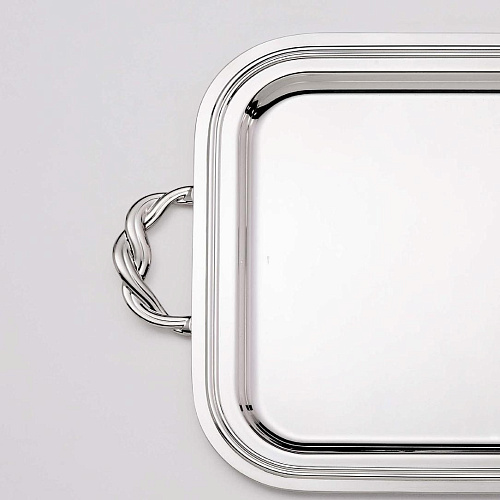
The silver-plated range uses brass or nickel-silver as the metal base, finished through a galvanic process. All pieces can also be rhodium-plated, which acts as an effective antioxidant and extends the finish significantly. The plating thickness across the range is specified for professional and repeated use, not occasional display.
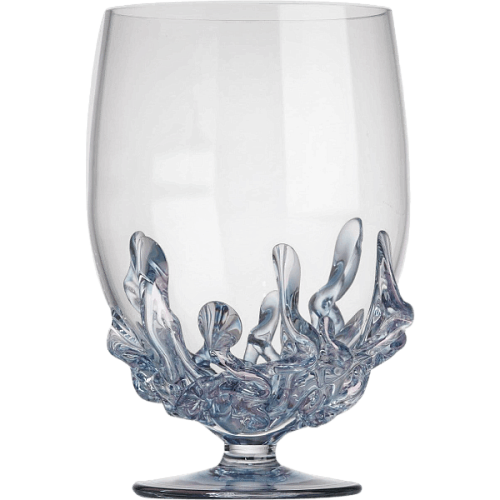
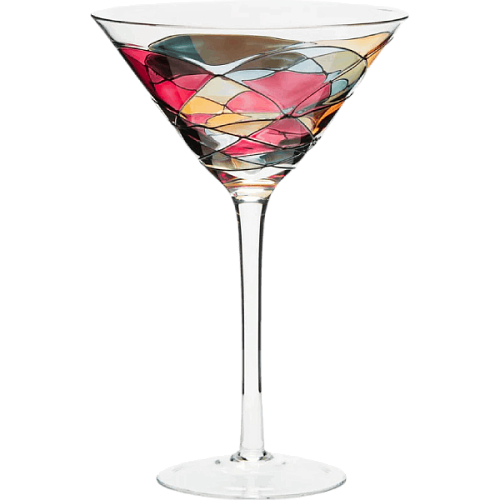
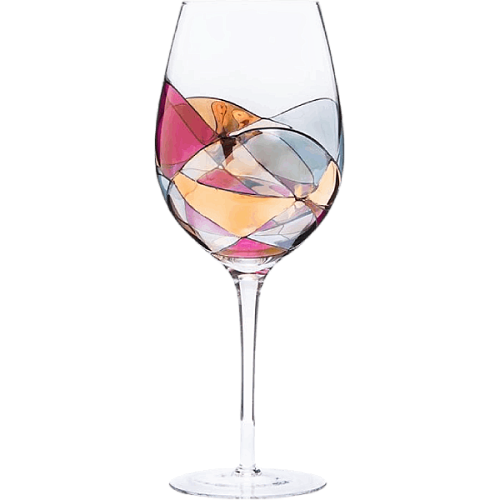
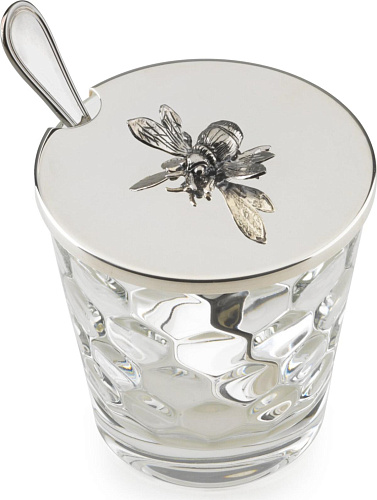
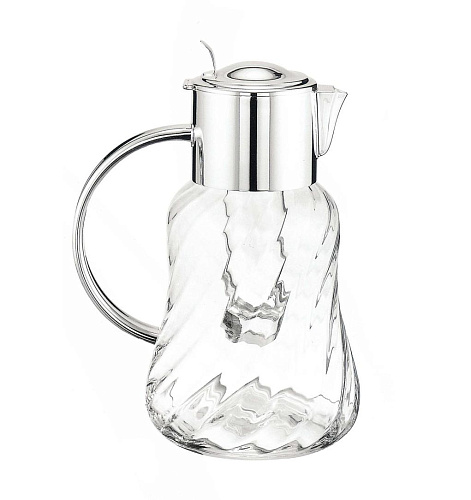
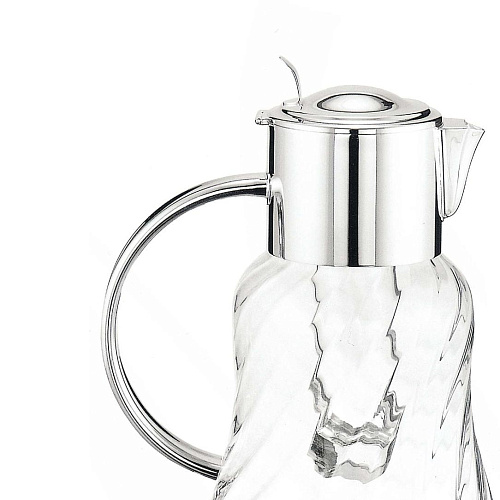
In 1995, the historic brands Cesa 1882 and Ricci Argentieri became part of the Greggio family, bringing with them production heritage and pattern archives stretching back to the nineteenth century. Cesa 1882 was founded in Alessandria and supplied the Royal House of Savoy; its cutlery appeared at state dinners hosted for Mikhail Gorbachev at the Quirinale Palace in 1989, and its pieces were used aboard the Orient Express. That depth of archive — now folded into the broader Greggio Italy offer — means the design vocabulary available to the brand is genuinely vast, and not manufactured from scratch. In 2004, Greggio created Dogale, a sub-line combining hand-decorated glass with silver plating, producing pieces where no two are identical due to the nature of the process.
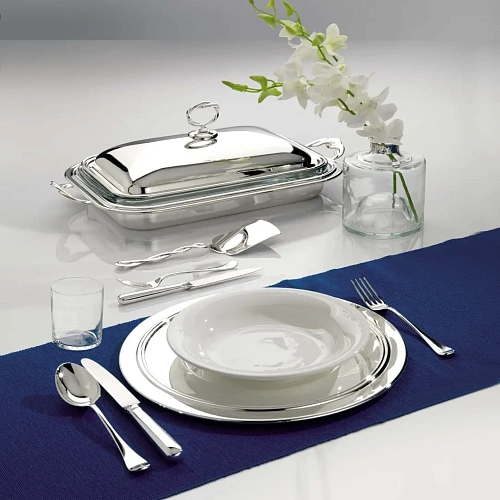
The tables at state banquets in Rome's Quirinal Palace have been set with Greggio silver since 1950, and the brand's pieces appear in private residences, restaurants, five-star hotels, yachts, and private jets internationally. Since March 2024, Greggio Group International has held Responsible Jewellery Council (RJC) certification across all three companies in the group, confirming compliance with ethical, social, and environmental standards from raw material through to sale. At the core of the brand's design philosophy is a balance between classical proportions and modern sensitivity — an approach that keeps individual pieces from dating quickly and allows them to move between formal and relaxed settings without effort. That quality, more than any single collection, is what makes Greggio silverware a long-term investment rather than a seasonal purchase.