Shopping Basket
You have no items in your shopping basket.


Wishlist
Your wishlist is currently empty
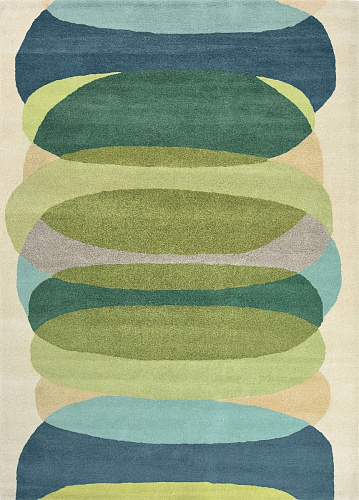
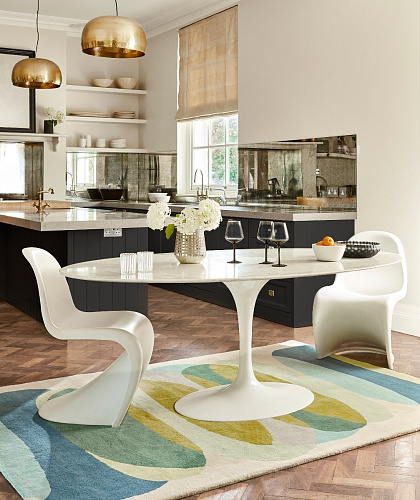
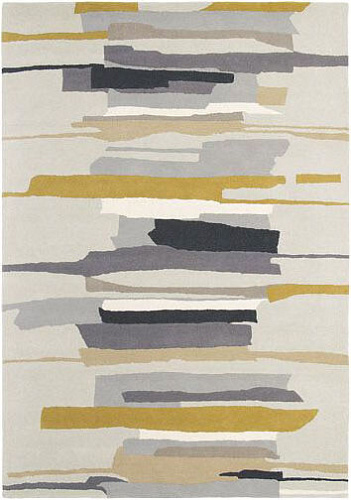
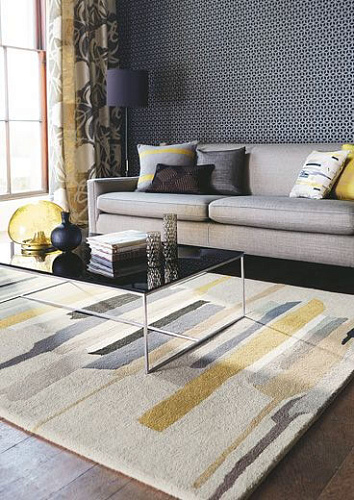
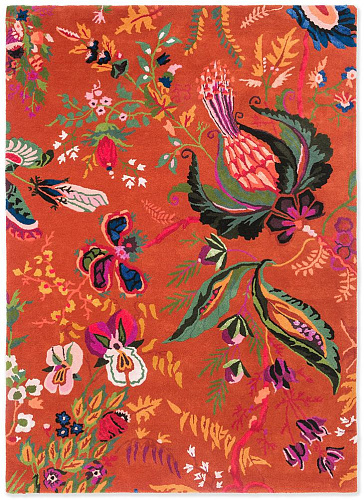
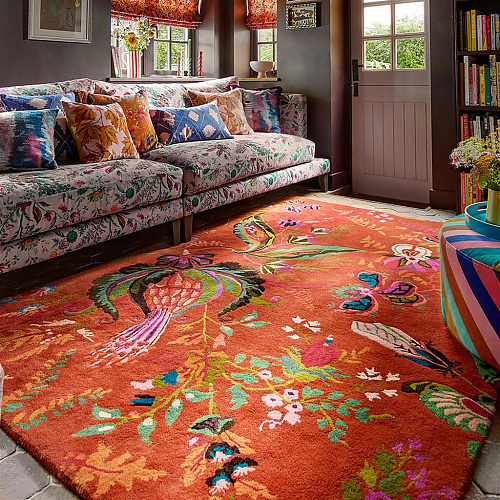
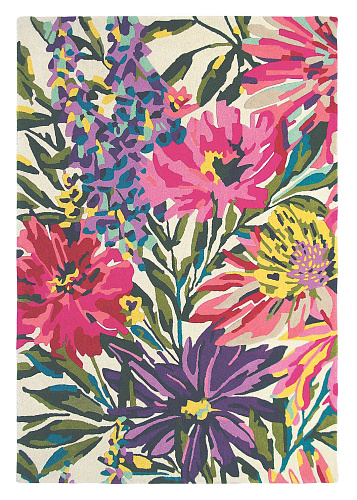
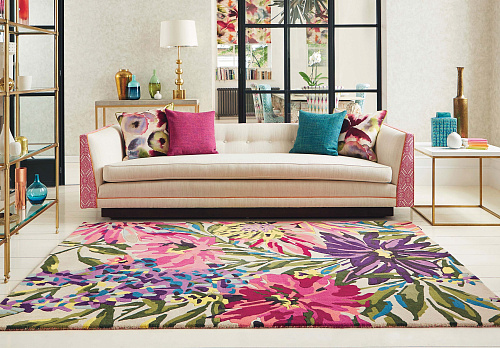
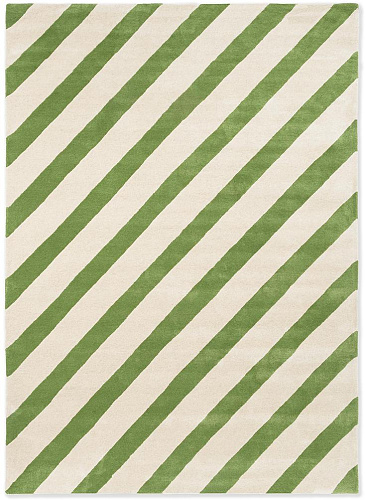
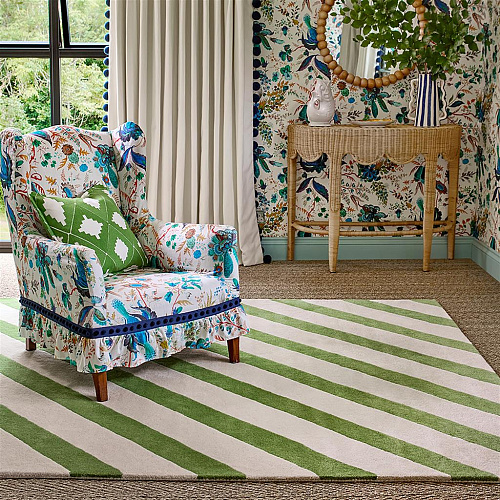
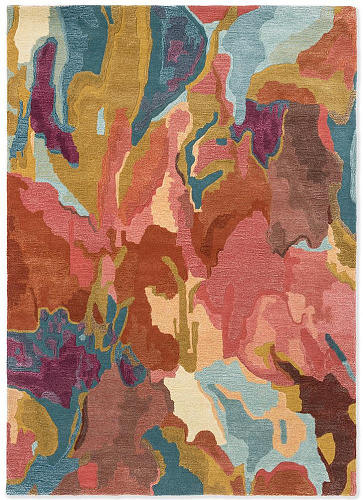
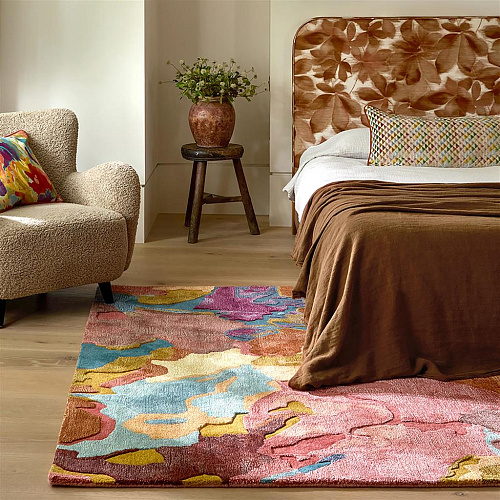
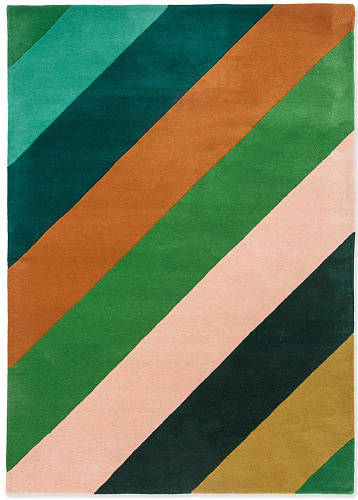
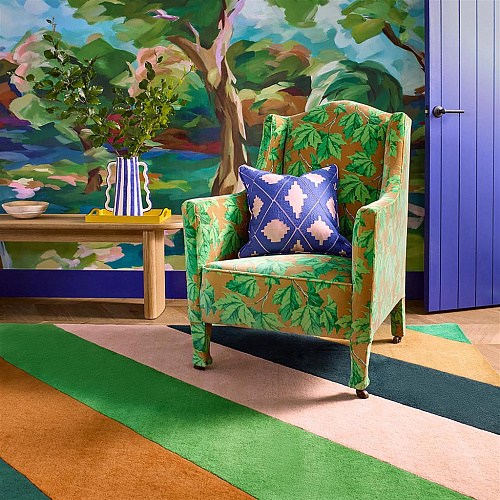
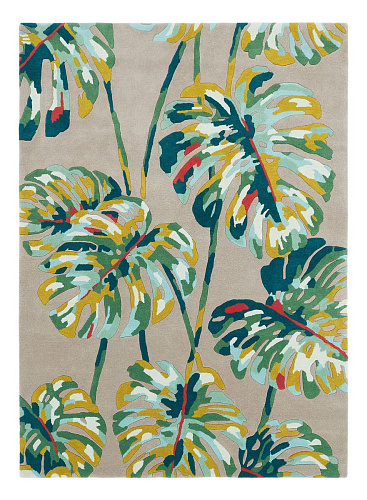
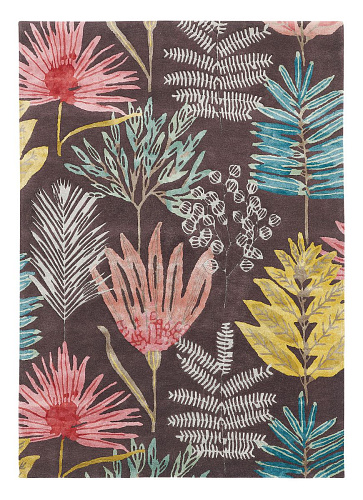
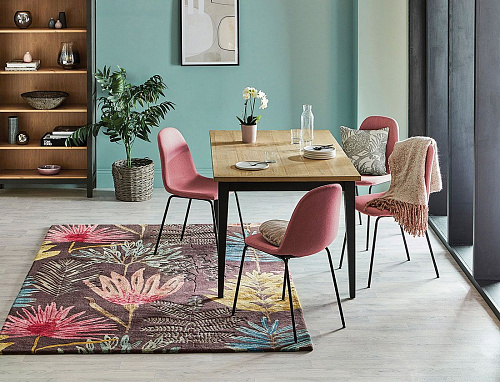
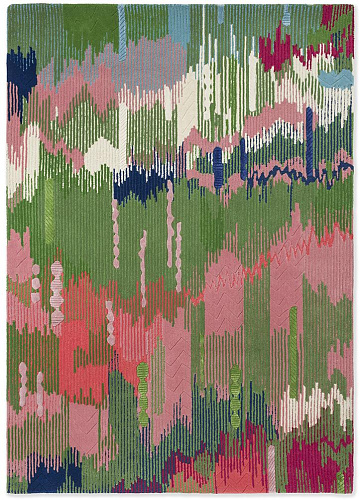
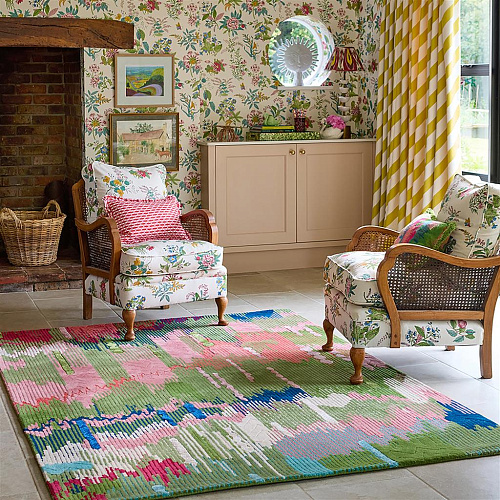
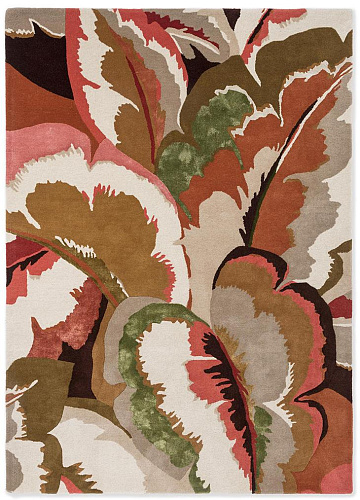
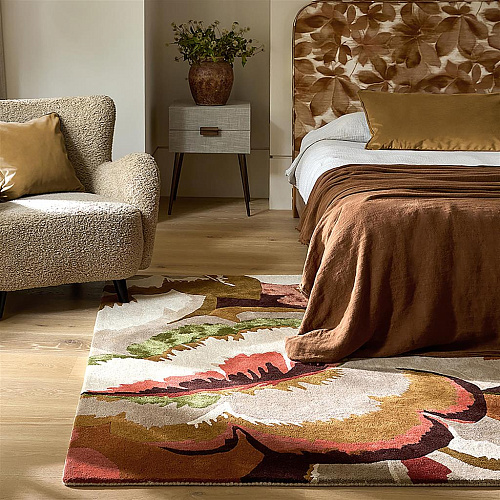
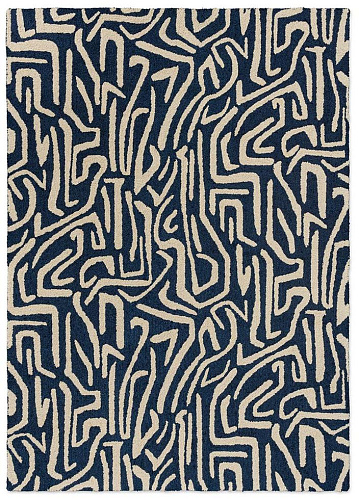
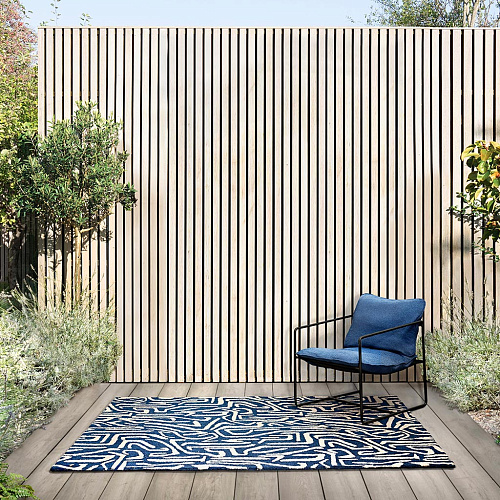
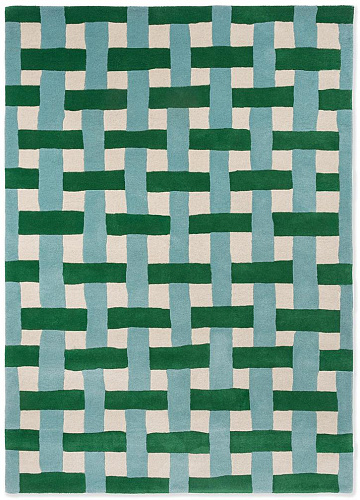
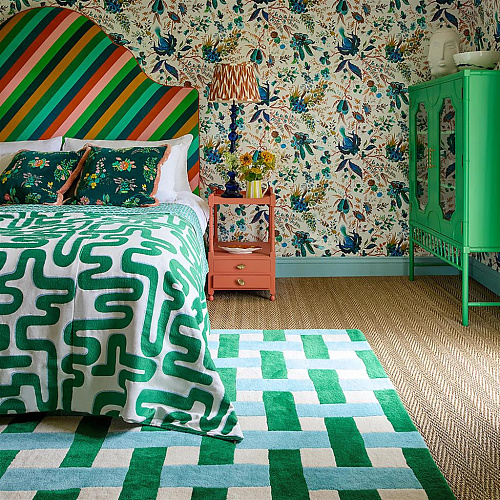
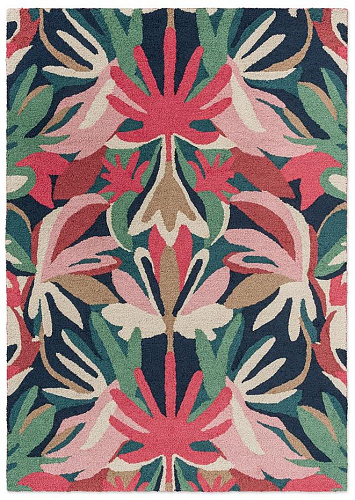
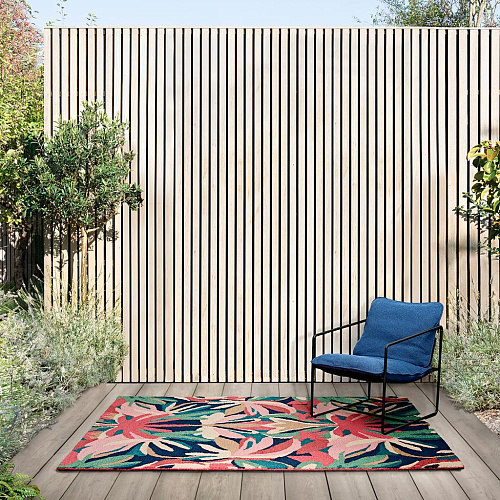
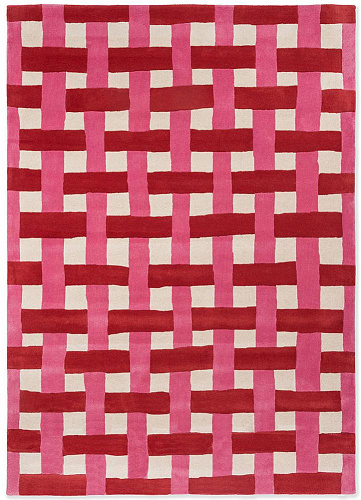
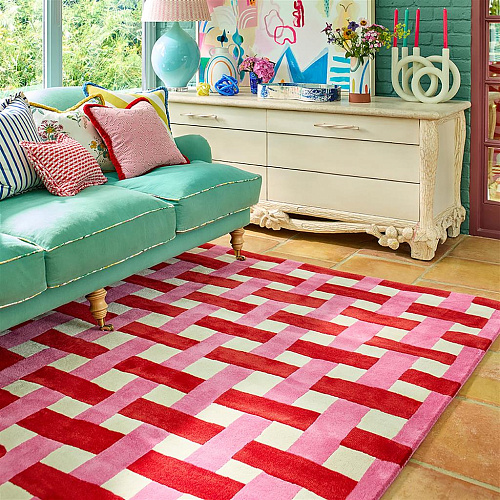
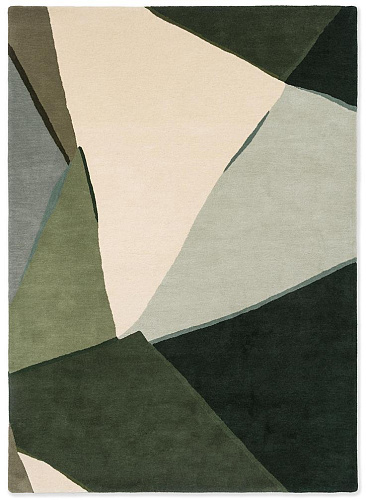
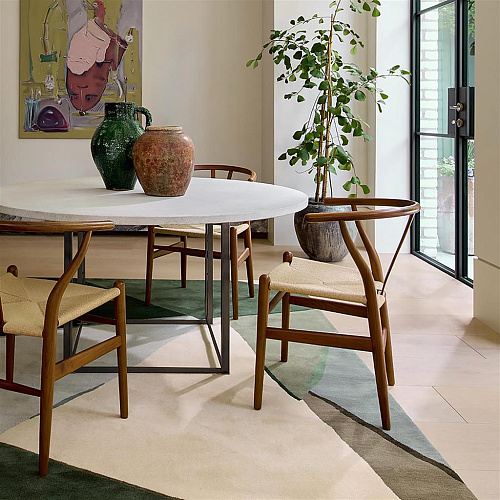
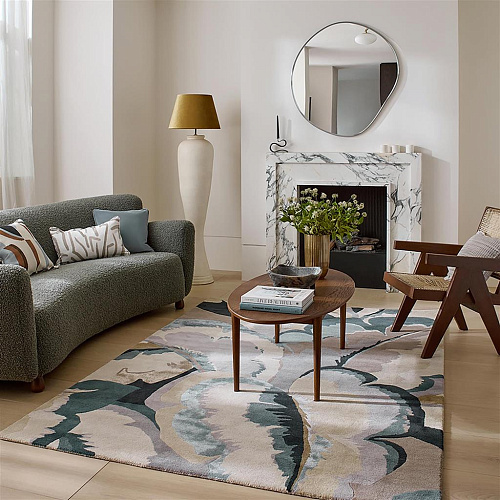
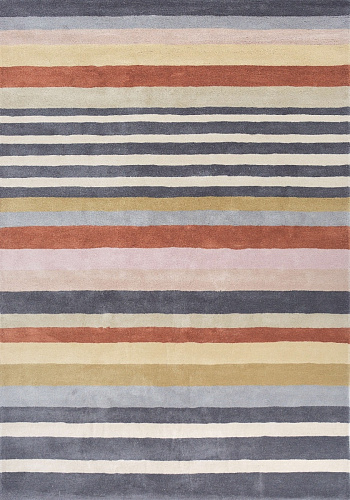
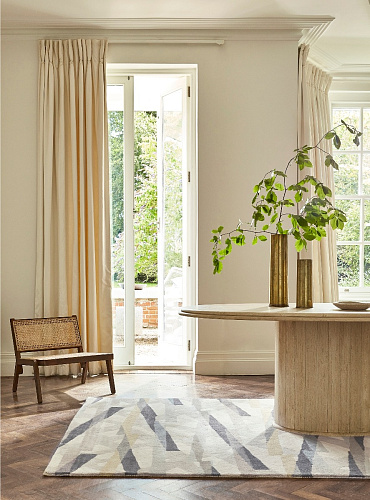
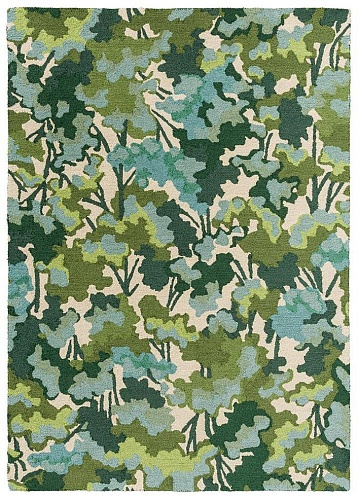
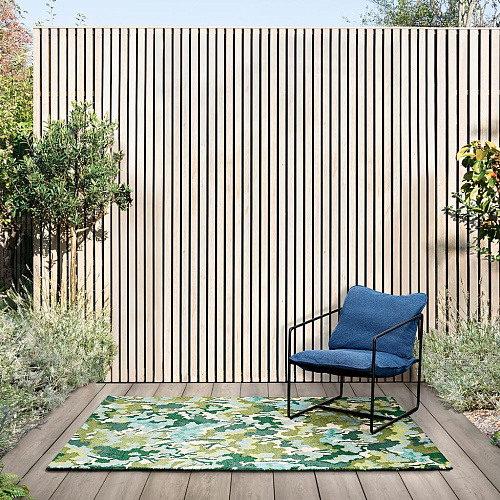
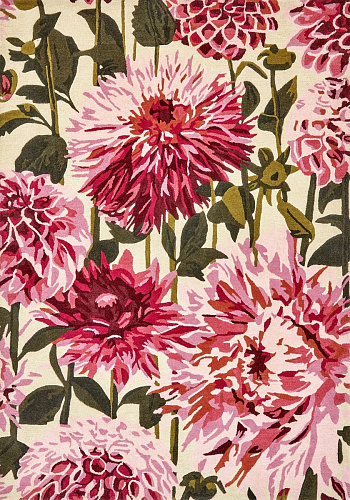
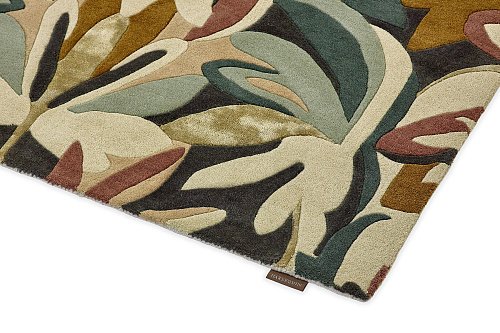
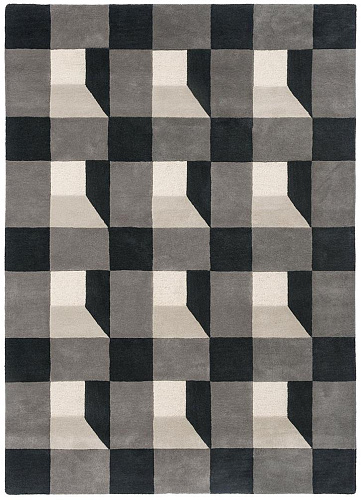
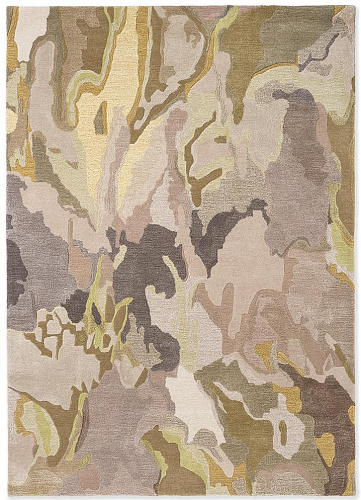
Harlequin rugs are the floor expression of one of Britain's most deliberate design philosophies. The brand was founded in 1960 as a wallpaper company, but it was never really about wallpaper — it was about what colour does to a room and to the person living in it. That conviction has carried forward into every collection, including the rugs, where pattern and palette are treated with the same rigour as the fabrics and wallcoverings that made the brand's name. Harlequin's designs draw inspiration from global travels, far-flung places, and the natural and architectural worlds — and that breadth of reference shows. A single season's collection might move from Ibizan stripe work to abstracted botanical forms to cubo-futurist geometry, all held together by the brand's signature confidence with colour.
The word "Harlequin" means "varied in colour or decoration" — which is either a fortunate coincidence or a founding act of branding genius. Either way, it describes the output exactly. The brand was acquired by Walker Greenbank PLC in 1987 and eventually became part of Sanderson Design Group, sitting alongside Sanderson, Morris & Co., and Zoffany in a portfolio of quintessentially British luxury interiors labels. Within that group, Harlequin holds the contemporary position — redefining expressive design through curated palettes and a distinct modern design language, while the heritage brands carry the archive weight.
What separates Harlequin from most brands operating in the same price bracket is the intellectual infrastructure behind its colour decisions. Professor Stephen Westland and Soojin Lee created a specially commissioned whitepaper for Harlequin that explores the positive power of colour and the importance of palette choices in shaping how we express ourselves. This isn't decorative branding language — it's a genuine commitment to understanding why certain colour combinations produce certain emotional responses, and building collections around those findings. The result is that Harlequin palettes feel considered rather than trend-chased. Deep saffrons sit next to warm charcoals in ways that feel deliberate. Botanical greens carry a specific saturation that reads differently in morning and evening light.
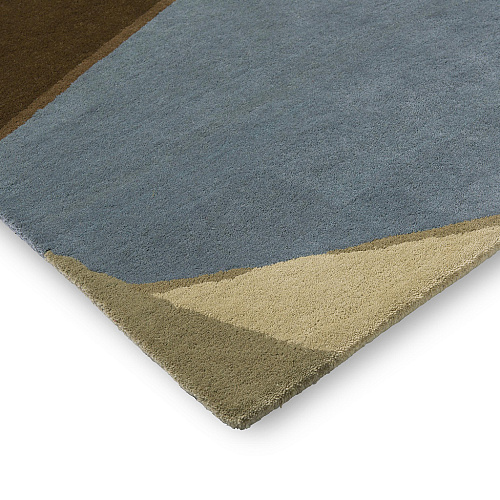
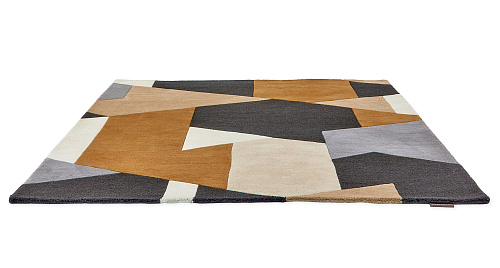
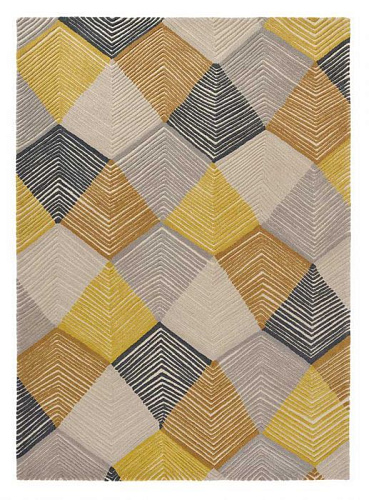
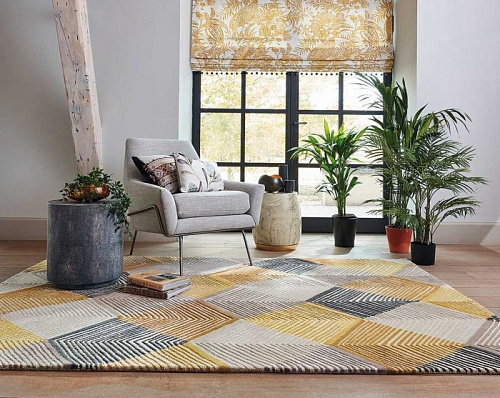
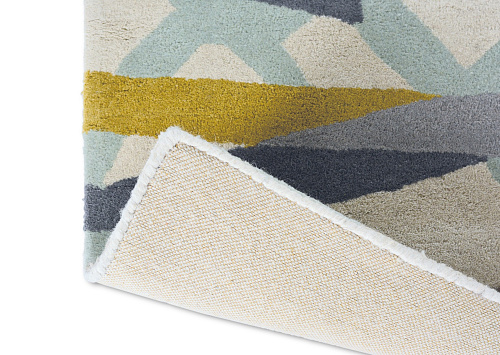
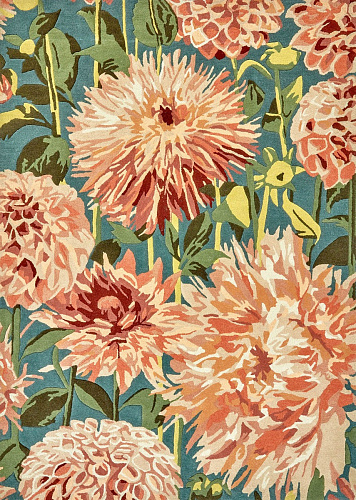
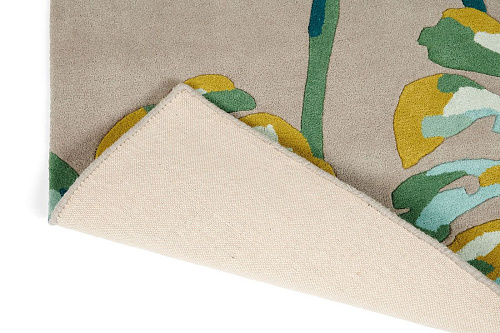
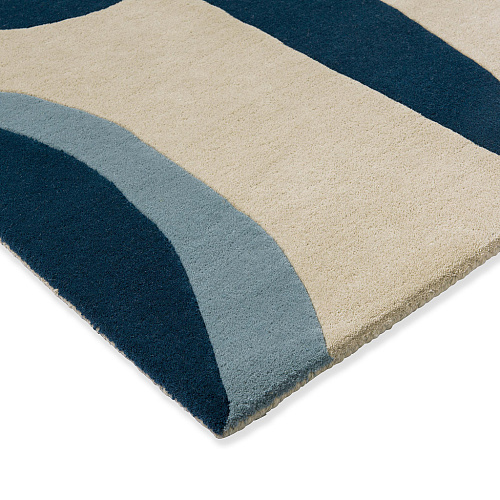
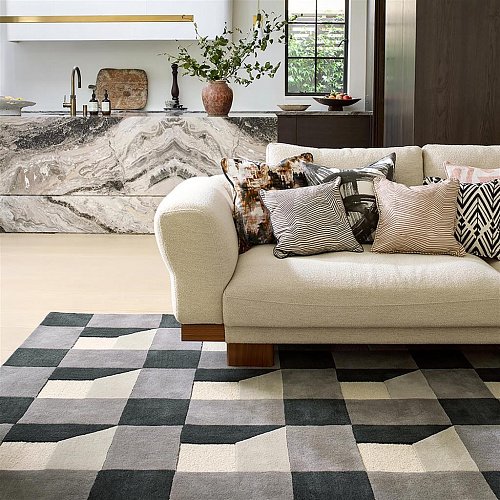
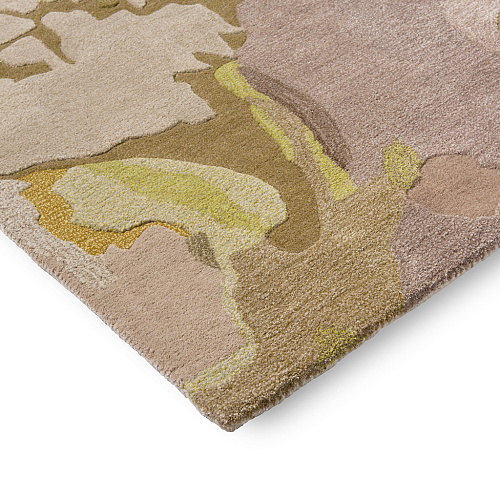
The rug collections are produced in collaboration with Dutch specialists Brink & Campman, with construction methods — hand-tufting in premium wool and viscose — chosen to serve the design rather than the other way around. Geometric collections benefit from a tighter pile that holds pattern edges crisp underfoot; floral and botanical designs lean into deeper, plush pile weights that let colour gradients breathe. The material decisions are as deliberate as the aesthetic ones.
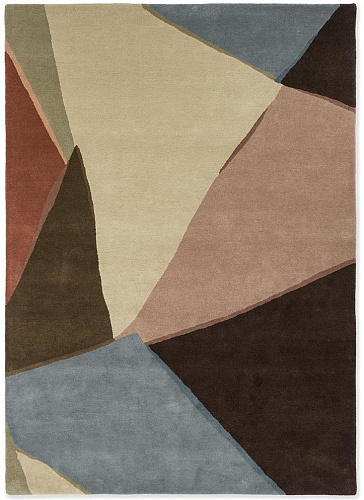
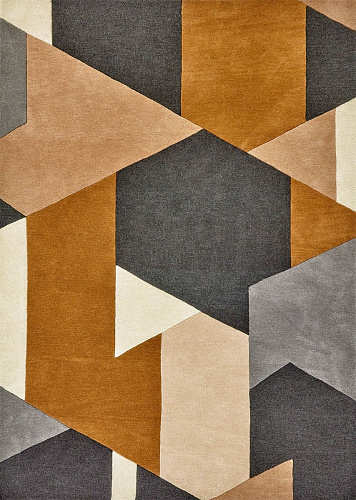
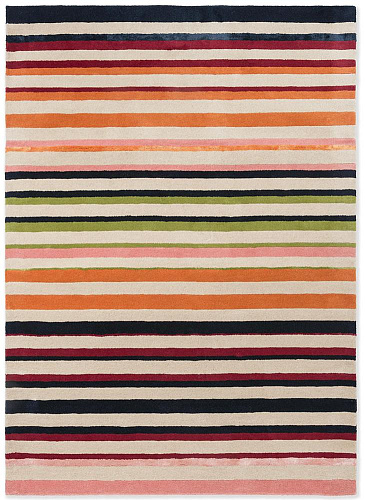
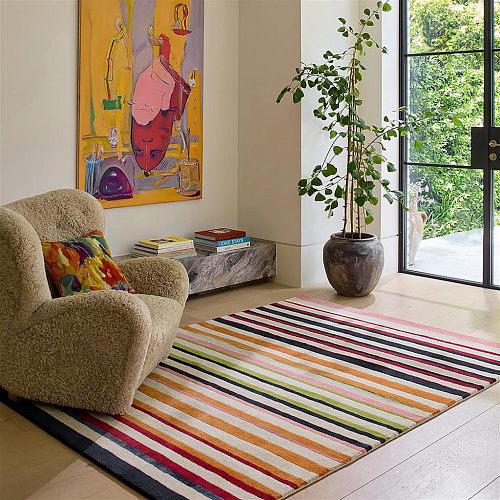
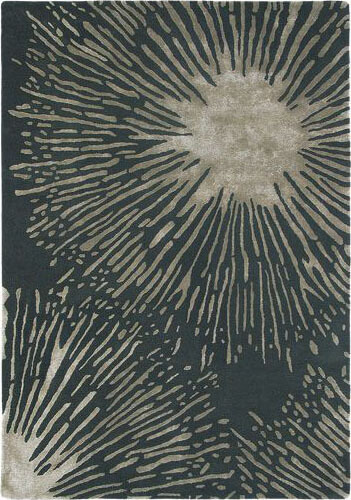
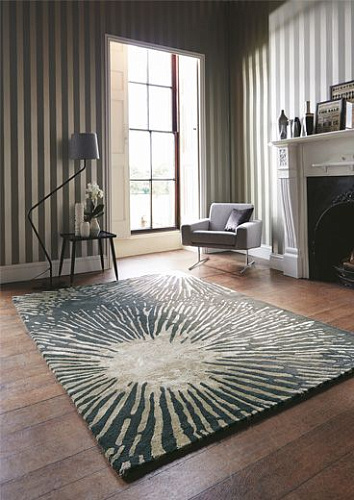
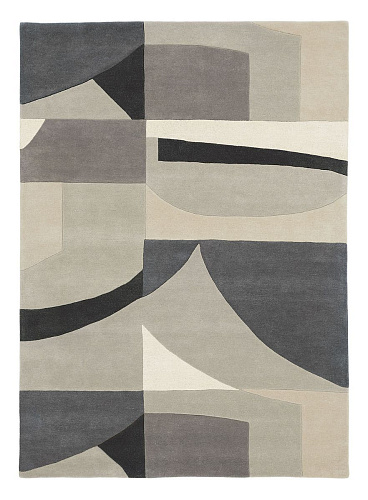
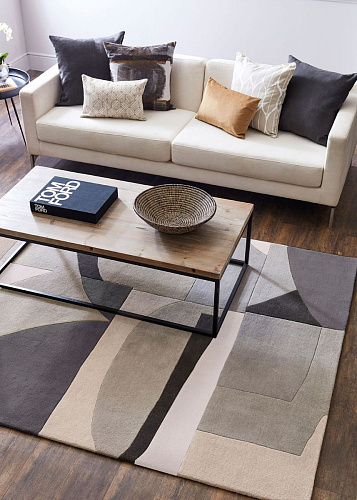
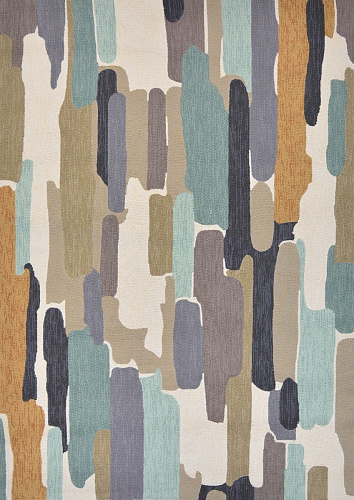
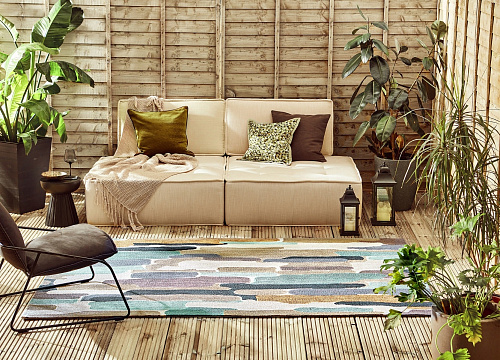
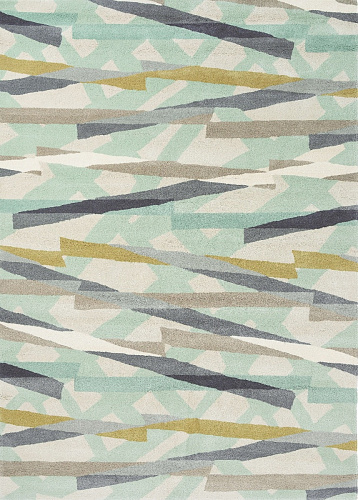
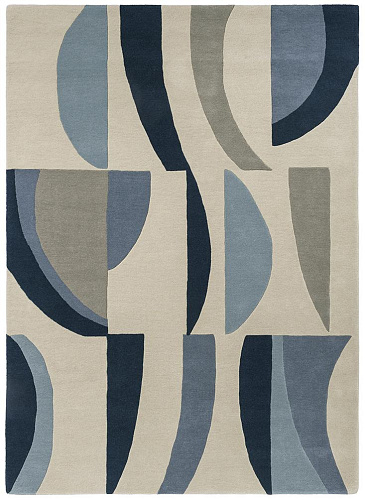
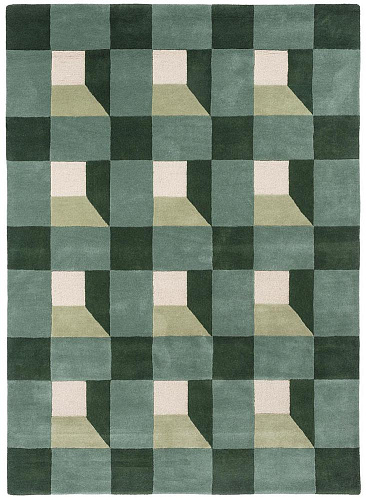
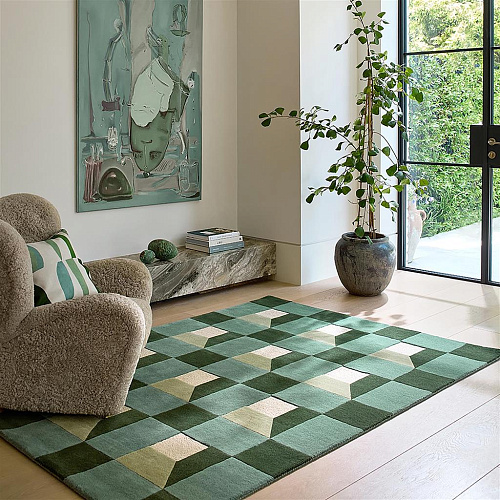
The Harlequin rugs catalogue at SayRug covers the full width of the brand's contemporary offer — from bold geometric statement pieces to quieter abstract designs suited to more layered interiors. Harlequin rugs prices reflect their positioning in the designer mid-range: accessible enough to be a considered purchase rather than a commission, with enough material and design quality to justify the step up from mass-market alternatives. Smaller formats open the collection to a wider audience; larger hand-tufted wool pieces represent one of the stronger value propositions in their category — designer provenance, genuine craft construction, and a design language that doesn't date quickly.
Harlequin rugs sale selections are updated regularly on the SayRug brand page, making it worth returning if you have a specific collection or colourway in mind. The retailer holds stock across multiple sizes, which removes the extended lead times that often come with ordering designer rugs through other channels.